
Surya Namaskar (Sun Salutation) is one of the most popular yoga sequences practiced worldwide. It has 12 flowing poses and combines movement, breath, and mindfulness, and so is a complete exercise to improve flexibility, strength, balance, and mental focus. In perfect yoga practice, Surya Namaskar can improve cardiovascular fitness, energy levels, digestion, and well-being.

But, like any physical activity, incorrect technique in Surya Namaskar can lower its benefits and increase the risk of strain or injury. Whether you're a beginner or an experienced practitioner, knowing the common mistakes and how to correct them will make you practice more safely and effectively.
1. Skipping the Warm-Up
One of the biggest mistakes is jumping straight into multiple rounds of Surya Namaskar without preparing the body. Cold muscles are less flexible and more prone to strain.
Related Articles
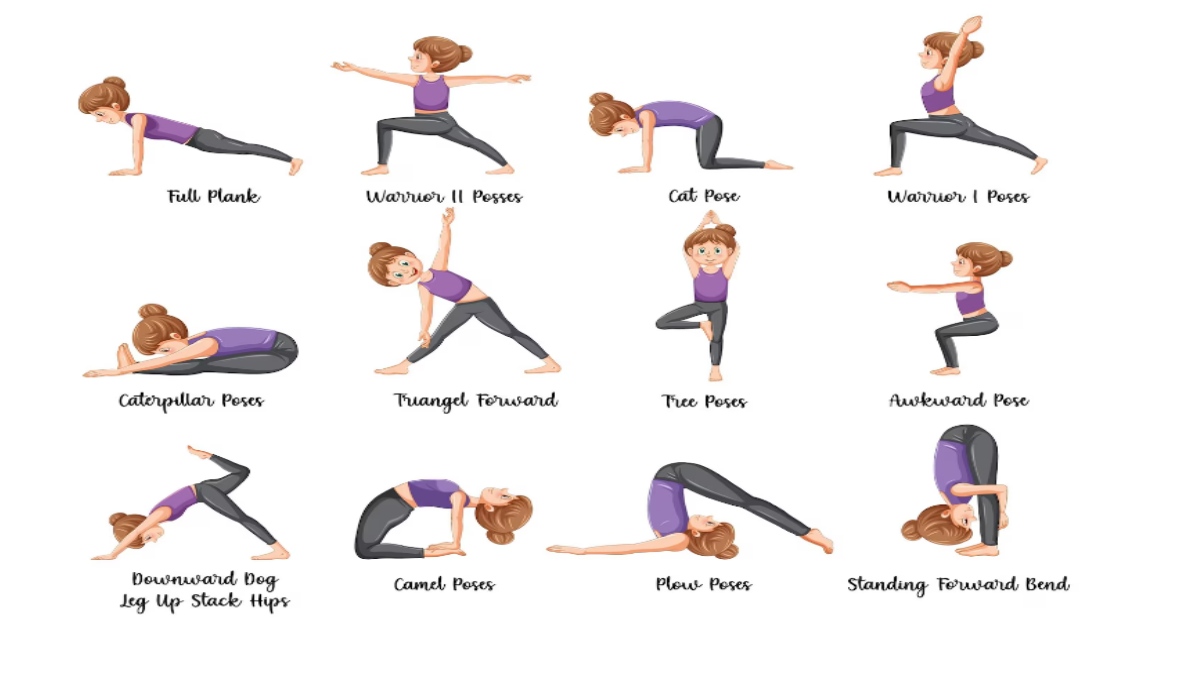

We want to work out some things before we go out to our first class. To start with, warm your neck, shoulders, wrists, hips, knees, and ankles. Gentle stretching and joint mobility exercises can also help the exercise, and the sequence is more comfortable.
2. Ignoring Proper Breathing
Breath is so important in yoga. In yoga, beginners hold their breath or breathe irregularly when moving through the poses.
In Surya Namaskar, each movement is always synchronized with inhalation or exhalation. Coordinated breathing improves oxygen flow, enhances concentration, and makes the practice feel more fluid.
Related Articles

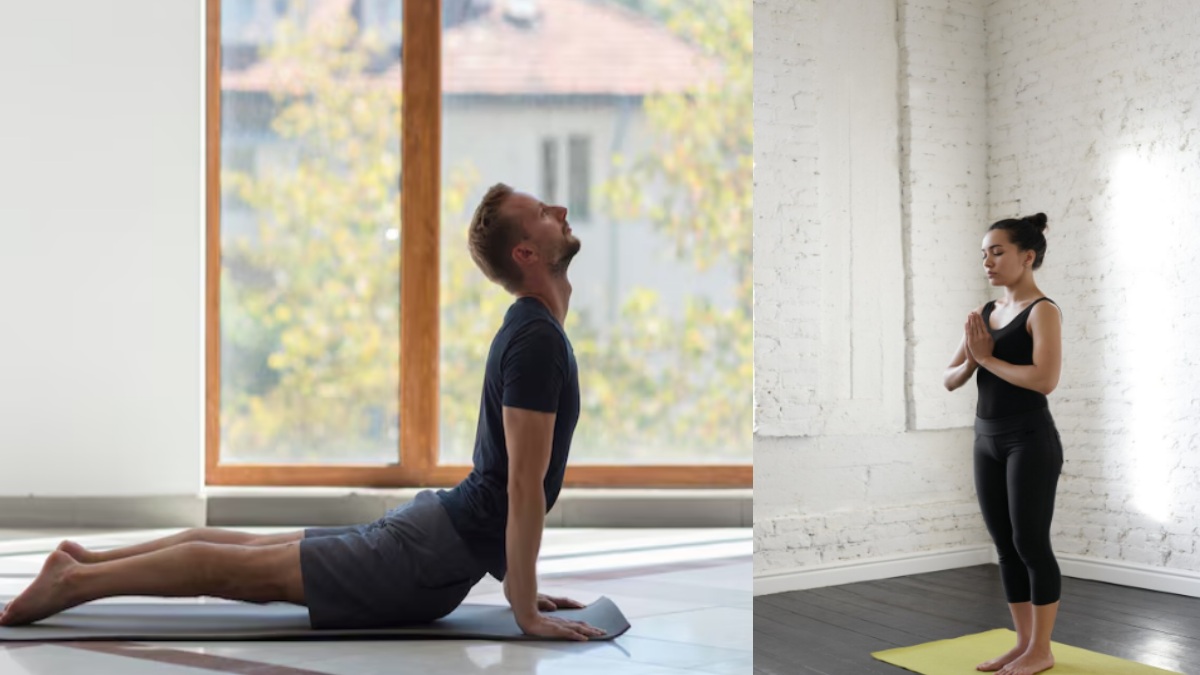
If you are learning to breathe, you can do so slowly enough so that you can remain breathing in a steady and natural way throughout the sequence.
3. Rushing Through the Sequence
Many people treat Surya Namaskar like a race and want to complete as many rounds as possible. Speed often results in bad posture and lack of body awareness.
Instead, focus on proper alignment and controlled movements. And then once you’re comfortable with the sequence, you can gradually increase your pace without compromising technique.
4. Poor Body Alignment
Improper alignment is one of the most common reasons for discomfort during yoga.
Some common alignment mistakes include:
- Rounding the back instead of keeping the spine long
- Allowing the knees to collapse inward
- Placing excessive weight on the wrists
- Overarching the lower back
- Locking the elbows or knees
In front of a mirror or under the guidance of a qualified yoga instructor, good posture and alignment can be improved.
5. Overstretching Beyond Your Limits
Flexibility develops over time. When you force your body to stretch before it’s ready, muscle pulls are possible and joint pain is caused by it.
Don’t ignore your body and keep a listen to your body and respect its current range of motion. Yoga is a matter of slow but constant progression and not perfect poses.
6. Neglecting Core Engagement
The core muscles are what maintain Surya Namaskar stability. Without proper engagement, the lower back may get stressed out, especially during the transition between poses.
Gently activate your abdominal muscles so that your spine is supported and balanced during the course of the exercise.
7. Incorrect Hand and Foot Placement
The right position of the hands and feet makes for stability and balance.
For example:
- Spread your fingers evenly during plank and downward-facing dog
- Keep your feet aligned and grounded
- Rather than putting all of the pressure on the wrists or toes, distribute the body weight evenly
Small adjustments can greatly improve comfort and posture.
8. Practicing Without Awareness
Surya Namaskar is more than a physical workout. When practicing absentmindedly while you’re distracted by your phone, TV, or a nearby person, yoga stops becoming so meditative.
Focus on how you move, breathe, and feel in your body.
9. Ignoring Pain
There is a difference between a gentle stretch and pain. Sharp or persistent pain should never be ignored.
If you are experiencing pain in your wrists, knees, shoulders, or back, stop the practice and check your technique. The pain will only last so long before you consult a qualified yoga instructor or healthcare professional.
10. Practicing at the Wrong Time or After Heavy Meals
Surya Namaskar is normally practiced early in the morning on an empty stomach or several hours after eating. Performing it immediately after a heavy meal is uncomfortable and will harm your movement.
Choose a quiet, well-ventilated space where you can practice comfortably without interruptions.
Tips for a Safe and Effective Practice
To get the most from Surya Namaskar:
- Wear comfortable, stretchable clothing
- Practice on a non-slip yoga mat
- Begin with a few rounds and slowly increase the rounds
- Stay hydrated, but avoid drinking large amounts of water during the practice
- End your session with a relaxation pose like Shavasana to allow your body to recover
Surya Namaskar is a powerful yoga practice that supports physical fitness, flexibility, mental clarity, and overall wellness. It requires technique, mindful breathing, and patience to be able to reap its many advantages.
Avoiding common mistakes such as rushing through the sequence, ignoring alignment, overstretching, or neglecting your breath can make your practice safer and more rewarding. Remember that yoga is not about achieving perfection but about building a stronger connection between your body and mind.
With consistent practice and attention to proper form, Surya Namaskar can become an enjoyable and sustainable part of your daily wellness routine.




Comments 0