
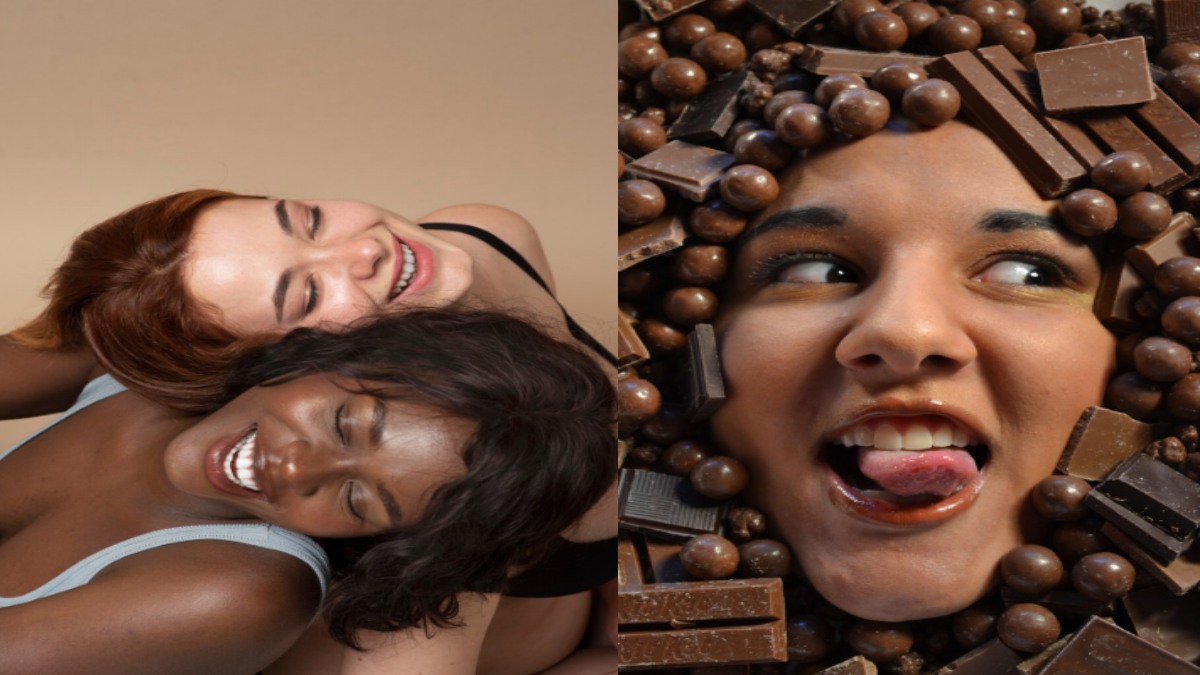
Chocolate skin tones are beautifully rich and versatile, offering a wonderful canvas for a wide range of colours. From vibrant jewel tones to warm earth shades and soft pastels, many colours can create a striking contrast or a harmonious look against deeper complexions.
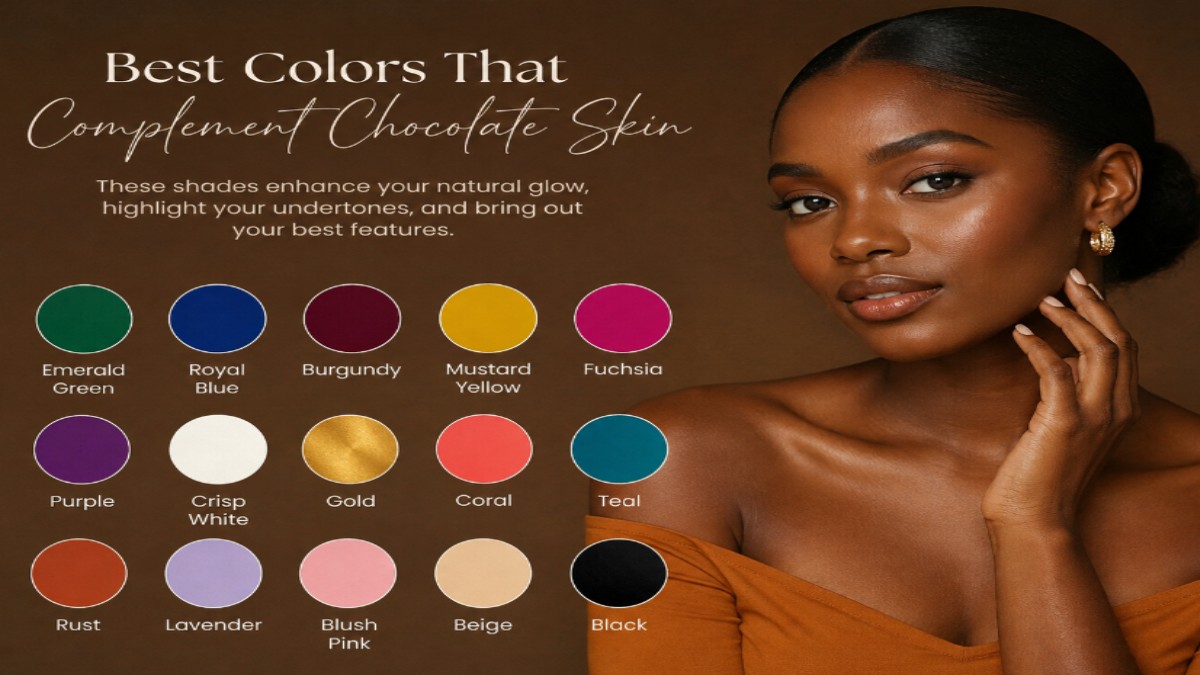
Choosing colours should ultimately be about personal style and confidence rather than strict fashion rules. However, understanding how different shades interact with a deeper complexion can make it easier to build outfits that feel polished, vibrant and flattering.
Whether you are choosing a saree, dress, suit, casual outfit or accessories, these are some of the best colours that complement chocolate skin.
Related Articles

1. Emerald Green
Emerald green is a stunning choice for deeper skin tones. Its rich jewel-toned character creates beautiful contrast while maintaining an elegant appearance.
An emerald green saree, dress or blazer can work particularly well for evening events. Pair it with gold jewellery for a sophisticated festive look.
2. Royal Blue
Royal blue is another powerful colour for chocolate skin. Its intense blue undertone stands out beautifully without looking harsh.
Related Articles

From formal dresses to traditional Indian outfits, royal blue can create a confident and polished appearance. Navy and cobalt blue are also excellent alternatives.
3. Burgundy and Wine
Deep reds such as burgundy, wine and maroon complement the warmth and depth of chocolate skin exceptionally well.
These colours are particularly suitable for autumn and winter wardrobes, evening occasions and festive clothing. Burgundy accessories can also add richness to a neutral outfit.
4. Mustard Yellow
Mustard yellow creates a warm, vibrant contrast against deeper complexions. It works particularly well in ethnic clothing, casual wear and accessories.
A mustard kurta, saree blouse or dress can create a cheerful statement without requiring elaborate styling.
5. Burnt Orange
Warm shades of orange can beautifully complement the undertones found in many deeper skin tones. Burnt orange, rust and terracotta are especially versatile.
These colours pair naturally with cream, brown, beige and gold, making them excellent choices for coordinated outfits.
6. Fuchsia and Hot Pink
If you love bold fashion, fuchsia and hot pink can look spectacular against chocolate skin.
The vibrant contrast makes these colours ideal for celebrations, parties and statement outfits. A bright pink accessory can also add energy to a more understated look.
7. Purple and Plum
Purple is available in a wide range of shades, and many of them work beautifully with deeper complexions. Plum, eggplant, violet and rich purple can create an elegant and dramatic appearance.
For formal occasions, a deep purple outfit paired with metallic accessories can be particularly striking.
8. Crisp White
White creates a strong, clean contrast against chocolate skin. A crisp white shirt, dress, saree or coordinated outfit can look effortlessly sophisticated.
For a softer appearance, try ivory, cream or off-white. These shades offer a more subtle contrast while retaining a polished feel.
9. Gold and Metallic Shades
Gold is a particularly beautiful choice for jewellery and festive clothing. Its warm metallic finish complements many deeper complexions.
Bronze and copper can also create a luxurious effect. Metallic details do not have to be limited to jewellery; they can appear in footwear, handbags, embroidery and clothing accents.
10. Soft Pastels
Pastels can look beautiful against deeper skin because they provide gentle contrast. Shades such as lavender, powder blue, mint green, blush pink and peach can create a fresh and sophisticated appearance.
If you prefer understated fashion, pastel colours can be an excellent alternative to highly saturated shades.
11. Coral
Coral combines pink and orange undertones, making it a lively option for chocolate skin. It works especially well for summer clothing and festive occasions.
A coral dress, blouse or accessory can brighten an outfit while maintaining a warm, flattering appearance.
12. Terracotta and Rust
Earthy shades such as terracotta, rust and burnt sienna complement the richness of deeper skin tones beautifully.
These colours are versatile enough for casual and formal wardrobes. Pair them with cream, beige or chocolate brown for a coordinated tonal outfit.
13. Chocolate Brown
Wearing brown with a deeper complexion can create an elegant monochromatic effect. Instead of trying to create contrast, you can use different shades of brown to build depth.
Combine chocolate brown with caramel, tan or lighter beige accessories to prevent the outfit from looking too uniform.
14. Teal
Teal combines blue and green, giving it a distinctive jewel-like quality. It can create a sophisticated contrast against chocolate skin without appearing overly bright.
Teal dresses, shirts, sarees and accessories can work for both daytime and evening occasions.
15. Black
Black is a timeless wardrobe staple that works beautifully across skin tones. Against chocolate skin, it can create a sleek, sophisticated monochromatic appearance.
To add visual interest, combine black clothing with gold jewellery, colourful shoes or a vibrant handbag.
How to Choose the Right Colors
While general colour recommendations can be useful, your personal undertone can also influence which shades you prefer. Some people with chocolate skin have warm undertones, while others have cool or neutral undertones.
Warm undertones may harmonize particularly well with mustard, rust, orange, gold and warm reds. Cool undertones may enjoy cobalt, emerald, plum and blue-based pinks. Neutral undertones can often work comfortably with a broad range of colours.
However, these are guidelines rather than strict rules. Lighting, fabric texture and personal preference can change how a colour appears.
Creating a Balanced Outfit
You do not need to wear bright colours from head to toe. A simple approach is to choose one statement colour and balance it with a neutral.
For example, an emerald green dress can be paired with gold accessories, while a mustard outfit can be balanced with cream footwear or a brown handbag.
Colour blocking can also be an effective way to experiment. Combining complementary or contrasting shades can make an outfit more visually interesting.
Chocolate skin tones can beautifully complement an extensive range of colours. Emerald green, royal blue, burgundy, mustard, fuchsia, purple, coral, terracotta, crisp white, metallic gold and soft pastels are just some of the shades worth exploring.
The most important fashion rule is to choose colours that make you feel confident. Experiment with different shades, fabrics and combinations, and build a wardrobe that reflects your personality rather than following rigid rules about what you can or cannot wear.
When you feel comfortable in your colours, that confidence becomes the most flattering accessory of all.




Comments 0