
A bright, healthy-looking smile is something many people want, but maintaining whiter teeth involves more than brushing twice a day. The foods and drinks you consume regularly can have a significant effect on the appearance of your teeth. Certain foods contain strong pigments, acids or compounds that can contribute to staining and enamel erosion over time.
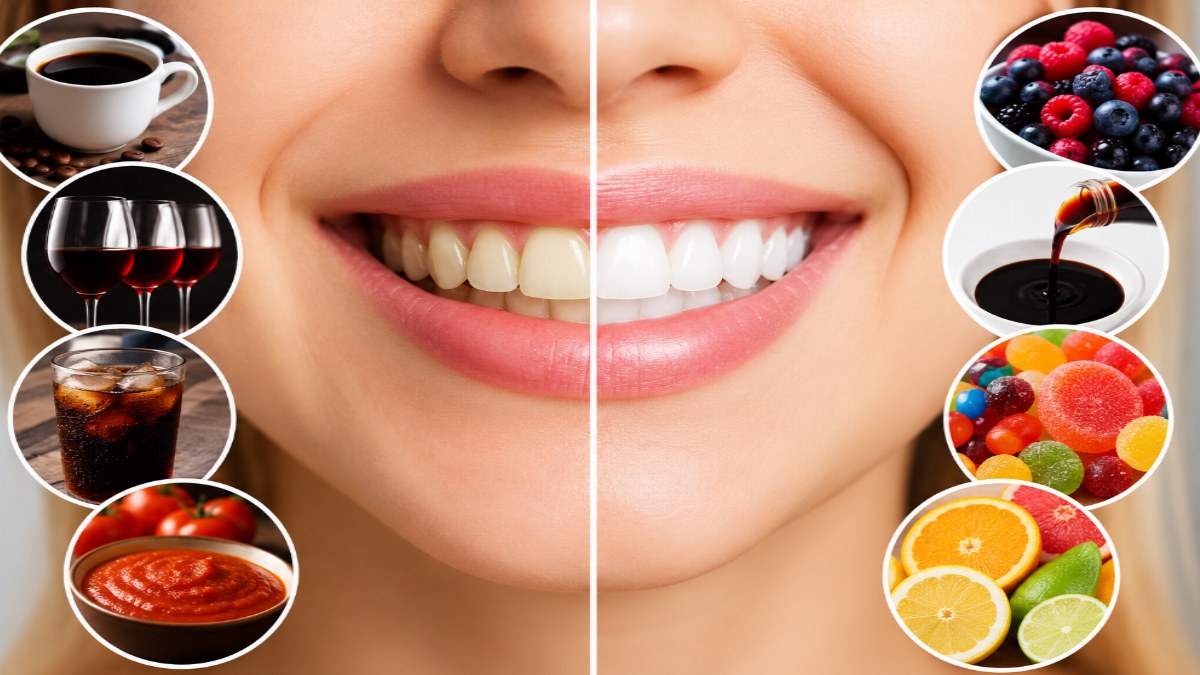
This does not mean you have to completely eliminate your favourite foods. Understanding which foods are more likely to affect tooth colour can help you make smarter choices and protect your smile.
Coffee and Tea
Coffee is one of the most common drinks associated with tooth staining. It contains dark pigments called chromogens that can attach to the tooth surface. Coffee is also acidic, and frequent exposure may contribute to enamel erosion, potentially making teeth appear less bright.
Related Articles


Black tea can also stain teeth because it contains tannins, compounds that can increase staining. If you enjoy these beverages, consider drinking water afterward and avoiding prolonged sipping throughout the day.
Red Wine
Red wine contains intense pigments, tannins and acids, making it another common culprit for tooth discoloration. The combination of colour compounds and acidity can make it easier for stains to develop.
Rinsing your mouth with water after drinking can help reduce residue. However, avoid brushing immediately after acidic drinks because softened enamel can be more vulnerable to abrasion.
Related Articles


Dark-Coloured Soft Drinks
Cola and other dark soft drinks can affect tooth appearance in two ways. Their colouring agents can contribute to surface stains, while their acidity can weaken tooth enamel.
Even lighter-coloured fizzy drinks may be acidic, so limiting overall consumption is beneficial for dental health.
Berries
Berries such as blueberries, blackberries and raspberries are packed with beneficial nutrients, but their deep natural pigments can temporarily stain the surface of teeth.
You do not need to avoid these nutritious fruits altogether. Eating them as part of a balanced diet and rinsing with water afterward can help reduce prolonged contact with the teeth.
Tomato-Based Sauces
Tomato sauces, pasta sauces and ketchup are acidic and often brightly coloured. Regular exposure may contribute to staining while acidity can affect enamel.
When eating tomato-based foods, drinking water alongside your meal can help wash away leftover food particles and acids.
Soy Sauce and Dark Sauces
Soy sauce, balsamic vinegar and other deeply coloured sauces can leave pigments on the teeth. They can be especially noticeable when consumed frequently.
Using smaller quantities or choosing lighter alternatives occasionally may help reduce exposure while still allowing you to enjoy your meals.
Sweets and Sugary Foods
Candy, cakes, biscuits and other sugary foods do not necessarily stain teeth directly in the same way as coffee or red wine. However, frequent sugar consumption increases the risk of tooth decay.
Bacteria in the mouth use sugars to produce acids that can damage enamel. As enamel becomes thinner or damaged, teeth may appear less bright.
Sticky sweets can be particularly problematic because they remain on the teeth for longer periods.
Citrus Fruits and Acidic Foods
Oranges, lemons, grapefruits and other citrus fruits provide valuable vitamins and nutrients, but their acidity can temporarily soften enamel.
The goal is not to avoid nutritious fruit. Instead, avoid brushing immediately after eating acidic foods. Rinse with water and allow some time for saliva to naturally neutralise acids before brushing.
What Can You Eat for a Brighter Smile
While no food can dramatically whiten teeth on its own, some foods can support good oral health. Crunchy fruits and vegetables such as apples, carrots and cucumbers can increase saliva production and help mechanically clean the mouth during chewing.
Dairy products such as cheese and milk can also support dental health by providing calcium and other nutrients important for teeth.
Most importantly, maintaining good oral hygiene remains essential. Brush twice a day with fluoride toothpaste, clean between your teeth regularly and visit your dentist for professional advice and cleaning when needed.
Simple Habits to Reduce Staining
You do not necessarily need to give up coffee, tea, berries or sauces to maintain a brighter smile. Moderation and timing can make a difference. Drinking water after strongly coloured or acidic foods, avoiding constant sipping of staining beverages and maintaining regular dental hygiene can all help.
It is also important to remember that natural tooth colour varies from person to person. Teeth do not have to be perfectly white to be healthy.
If you are concerned about persistent discoloration, talk to a dentist. Professional evaluation can determine whether stains are caused by food, enamel changes, dental conditions or another factor and whether whitening treatment is appropriate.
A brighter smile is ultimately about balancing appearance with oral health. By limiting frequent exposure to staining and acidic foods while maintaining good dental habits, you can help protect your enamel and keep your smile looking its best.




Comments 0