
Air pollution is not only bad for lungs and skin but may also affect hair and scalp health as well. Dust, smoke from vehicles and other pollutants in the environment irritate the scalp, cause oxidative stress and damage hair. For people living in heavily polluted cities, regular exposure to poor air quality may be another factor that affects hair health.
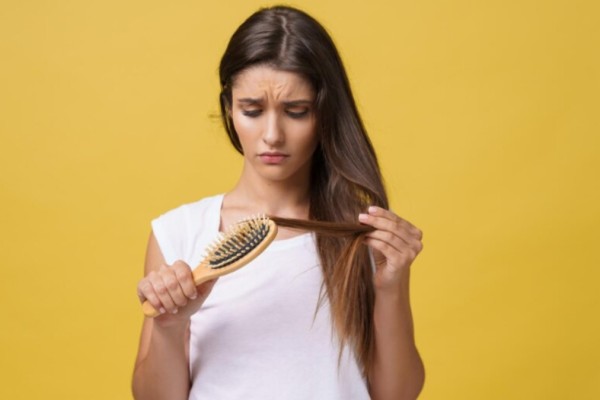
Pollution is not the only cause of hair fall but environmental exposure (stress, nutritional deficiencies and poor hair-care habits) may aggravate existing hair problems. Knowing how pollution affects scalp and hair can help people take preventive measures.
1. Air Pollution Can Increase Oxidative Stress
Air pollution contains microscopic particles and harmful substances that can cause oxidative stress in the body. These substances may damage skin and scalp cells.
Related Articles


Oxidative stress can affect the scalp environment and might interfere with healthy hair growth. Some airborne pollutants may also affect proteins involved in hair growth and follicle function .
2. Dust and Pollutants Can Affect Scalp Health
Dust, smoke and airborne particles can settle on the scalp and hair throughout the day. Their build-up (along with natural oil and sweat) may cause discomfort and make the scalp feel dirty.
Pollutants may aggravate scalp irritation in some people and existing skin conditions. Scratching an irritated scalp damages the skin more (and hair quality is affected).
Related Articles


3. Pollution May Contribute to Hair Weakness
Environmental pollutants can damage the outer protective layer of hair. If the hair becomes dry, rough and damaged it may be more likely to break off.
Breakage and hair fall are two different things. Breakage is when the hair shaft becomes damaged, hair fall is when hair sheds from the follicle (where the hair grows).
4. Scalp Inflammation Can Affect Hair Health
Some pollutants can cause inflammation and irritation. People with sensitive skin or scalp conditions may feel more discomfort after being in polluted environments.
Inflammation and untreated scalp conditions can affect the overall hair-growth environment. Pollution alone should not be taken as the cause of excessive hair shedding though.
5. Simple Ways to Protect Hair From Pollution
Consistency in hair care routine can reduce the effects of environmental exposure.
- Wash Your Hair Regularly: Use a mild shampoo to remove dirt, sweat and oil from your hair. How often you need to wash depends on the type of scalp you have and what kind of hair care you need.
- Cover Your Hair Outdoors: If you travel through dusty or polluted areas, wear a scarf, cap or helmet liner. Make sure head coverings are clean and comfortable to wear.
- Use a Suitable Conditioner: Conditioning reduces dryness, makes the hair more manageable and protects the hair shaft from friction and breakage.
- Avoid excessive heat styling: If you are constantly using your hair dryer, straighteners and curling irons it can increase hair damage. Limit exposure to heat and use the correct heat protection equipment.
- Balanced Diet: Protein, iron, zinc, vitamin B12 and other nutrients are found in a balanced diet. Nutritional deficiencies can cause hair loss.
- Keep Your Scalp Clean: Don’t let sweat, dirt and styling products sit for long periods. Use hair-care products designed for your scalp.
6. When Should You Consult a Dermatologist?
If you have excessive hair shedding, sudden hair loss (bald patches), persistent itching or scalp inflammation see a dermatologist. Hair loss can be caused by hormonal changes, genetics, thyroid disorders, nutritional deficiencies and certain medical conditions.
A dermatologist can figure out why it’s happening and prescribe treatment (not just cosmetic products or home remedies) instead of you going to a pharmacy or the store.
Conclusion
Air pollution can damage hair and scalp health through oxidative stress, irritation and environmental damage. Pollution may cause hair weakness (and potentially exacerbate existing problems) but it is not the only reason behind hair fall.
Cleansing the scalp regularly, using hair care products that suit your hair type, eating well and protecting hair from environmental damage (sun and pollution) can all help keep hair healthy. If persistent hair loss is noticed early enough and professional advice sought underlying conditions don’t go untreated.
Disclaimer: This article is for general health and beauty awareness only. It does not replace professional medical advice, diagnosis or treatment.




Comments 0