
Acne is one of the most common skin problems in teens and adults. While there are a lot of skincare products available, many people are turning to natural remedies to prevent breakouts. One simple remedy is orange peel, which can have a number of skin benefits if it is used properly. Orange peel is rich in antioxidants, vitamin C, and natural exfoliating compounds and has traditionally been used as part of home skincare routines to promote healthier skin.
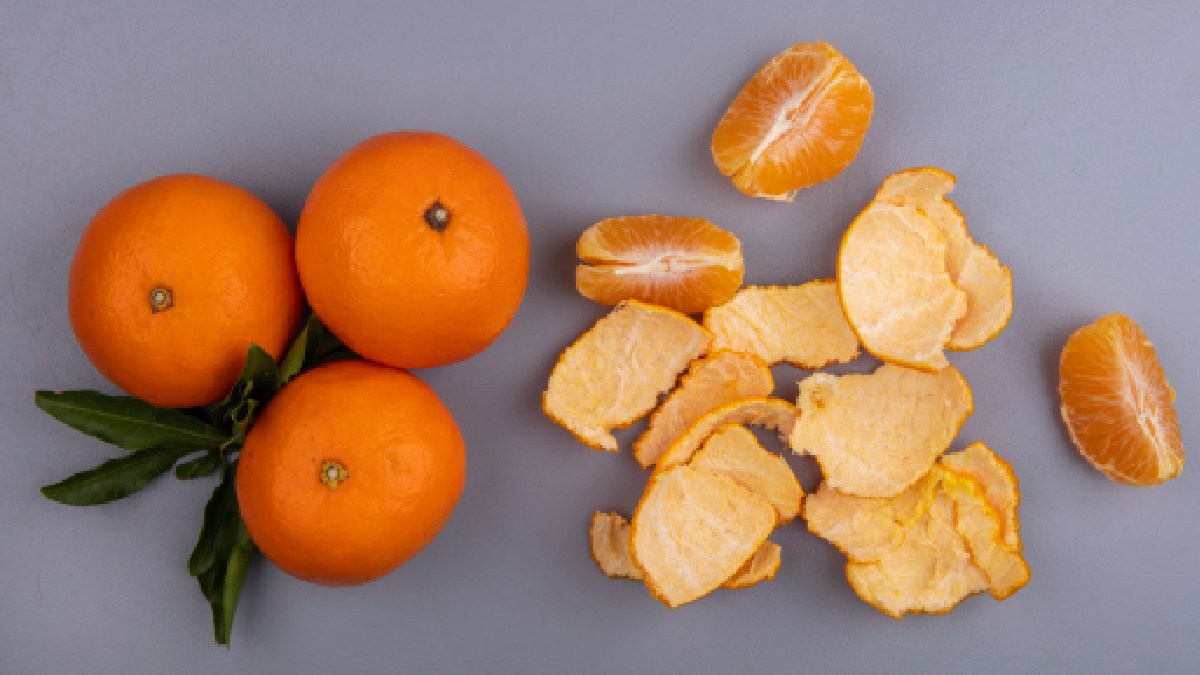
Although orange peel is not a medically proven cure for acne, it can help to provide a general skincare regime by removing excess oil from the skin and softening dead skin cells, which may brighten the complexion. What exactly does orange peel do for acne?
Why Orange Peel is good for acne-prone skin?
Orange peel contains nutrients that may benefit the skin in some ways:
Related Articles
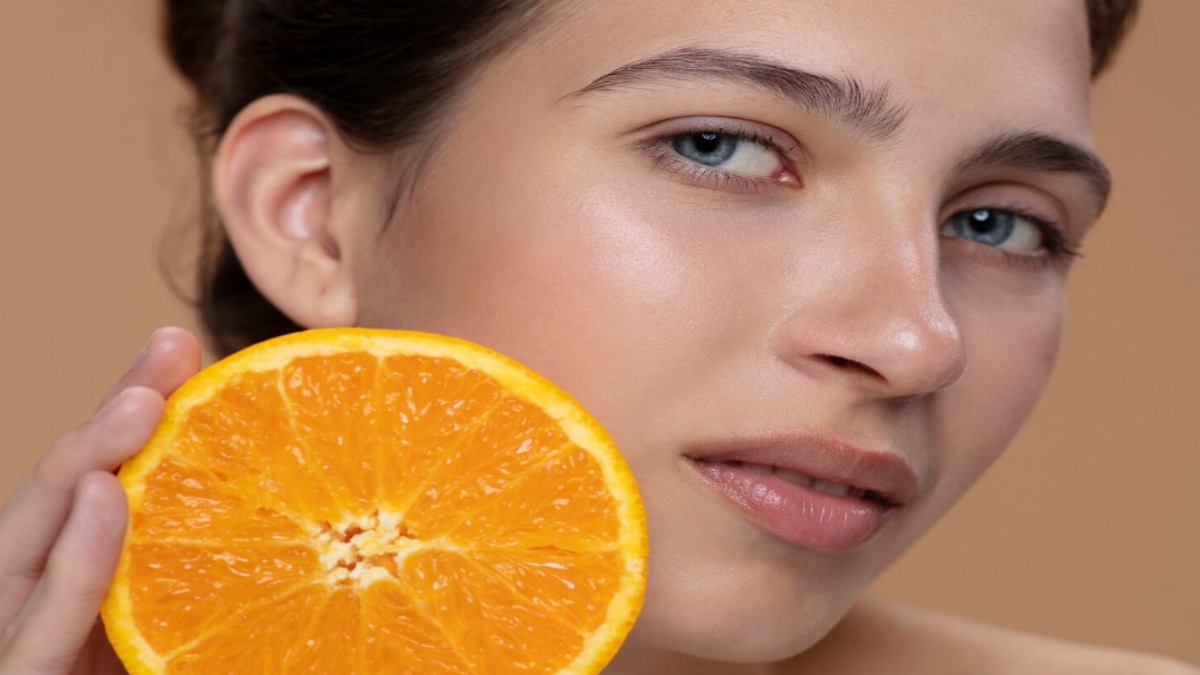

1. Rich in Vitamin C.
Vitamin C has antioxidant properties. It keeps the skin from exposure to pollution and promotes collagen production, which may improve the appearance of acne marks over time.
2. Natural exfoliation.
Related Articles

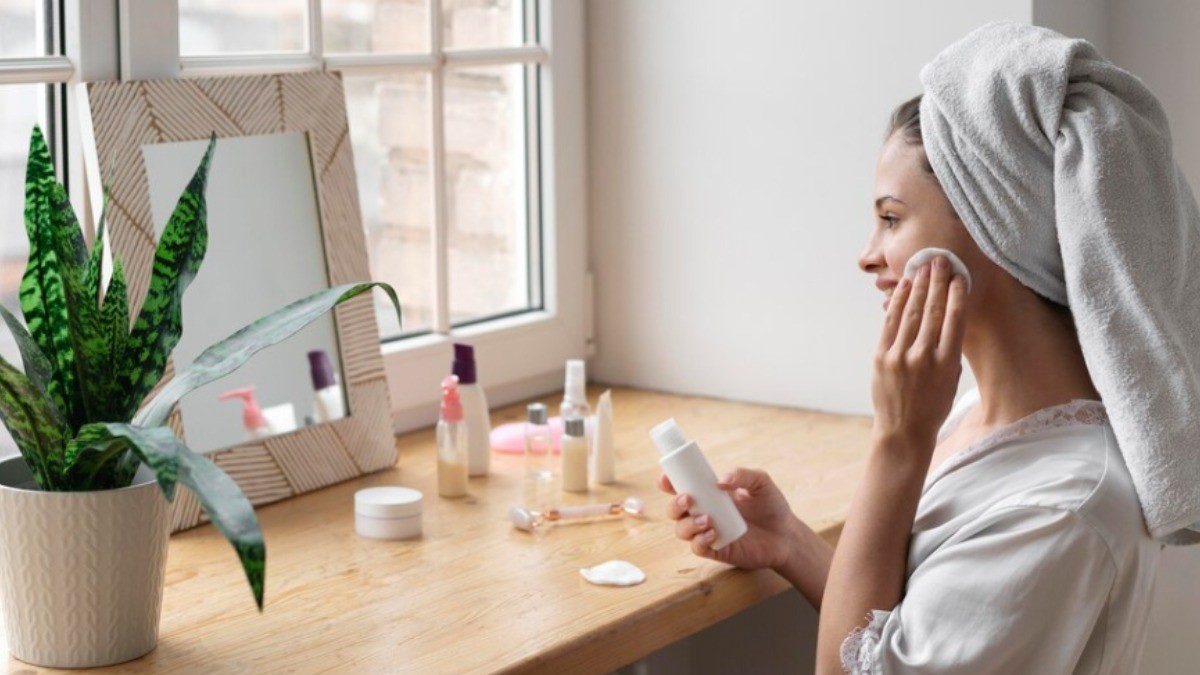
Dried orange peel powder contains a slight coarse texture that gently exfoliates dead skin cells. Removing this buildup can prevent clogged pores, one of the primary causes of acne.
3. Helps Control Excess Oil.
Orange peel has natural astringent properties that may help reduce excess sebum production. Oily skin is more prone to breakouts, so this is very useful in a well-balanced skincare routine.
4. Antioxidant protection.
Because the peel is loaded with flavonoids and other antioxidants, oxidative stress is lessened and skin inflammation is reduced.
5. Brightens the skin.
As a result of regular use of orange peel masks, skin texture can be improved and post-acne pigmentation may be less visible, giving the skin a fresher and more radiant look.
DIY Orange Peel Face Mask for Acne
At home, it is easy to make an orange peel face mask.
Ingredients:
- 2 tablespoons orange peel powder
- 1 tablespoon plain yogurt
- 1 teaspoon honey
Method:
- Mix all the ingredients into a smooth paste
- Apply evenly to clean skin
- Leave it on for 10–15 minutes
- Rinse with lukewarm water
- Follow with a gentle moisturizer
Use this mask once or twice a week. Exfoliating treatments shouldn’t be overused, as too much may irritate your skin.
Orange Peel Powder with Rose Water
For oily and acne-prone skin, combine:
- 2 teaspoons orange peel powder
- Enough rose water to form a paste
Apply for 10 minutes before rinsing. This simple mask can help refresh the skin and reduce excess oil.
Orange Peel and Aloe Vera Gel.
If your skin is sensitive, use orange peel powder mixed with fresh aloe vera gel instead of yogurt. Aloe vera can provide soothing treatment for irritated skin while orange peel provides gentle exfoliation.
Tips for Safe Use
- Before applying any homemade skincare treatment:
- Perform a small patch test on a tiny area of skin.
- Do not apply on broken, severely inflamed, or infected acne lesions.
- Use sunscreen daily since exfoliation can make the skin more sensitive to sunlight.
- Moisturize after each treatment to maintain the skin barrier.
- Stop use if irritation, redness, or burning occurs.
Can Orange Peel Remove Acne Scars?
Orange peel cannot completely erase acne scars. However, its vitamin C content and mild exfoliating action may gradually improve the appearance of dark spots (post-inflammatory hyperpigmentation) when combined with regular skincare and sun protection.
For deep acne scars, professional treatments such as chemical peels, microneedling, or laser therapy performed by a dermatologist are generally more effective.
Lifestyle Tips to Prevent Acne.
Using orange peel alone is unlikely to cure acne. Healthy skin also relies on good daily habits:
- Wash your face twice a day with a gentle cleanser.
- Avoid picking or squeezing pimples.
- Eat a balanced diet rich in fruits, vegetables, and whole grains.
- Stay hydrated throughout the day.
- Get adequate sleep and manage stress.
- Use non-comedogenic skincare and makeup products.
- Clean pillowcases and makeup brushes regularly.
When to See a Dermatologist
If your acne is painful, widespread, leaves scars, or does not improve after several weeks of proper skincare, consult a dermatologist. Persistent acne may require prescription treatments such as topical retinoids, benzoyl peroxide, antibiotics, or hormonal therapy depending on the underlying cause.
Orange peel can be a useful addition to a natural skincare routine thanks to its vitamin C, antioxidants, and gentle exfoliating properties. While it is not a guaranteed cure for acne, it may help reduce excess oil, improve skin texture, and brighten post-acne marks when used carefully and consistently. For best results, combine natural remedies with a healthy lifestyle, a dermatologist-approved skincare routine, and professional medical advice if acne becomes severe




Comments 0