
Melanin-rich skin is beautiful, strong and protects us from UV rays. But there are specific skincare needs that need attention also. And people with deeper skin color may not be able to cope with the common symptoms of hyperpigmentation, uneven skin tone, post-inflammatory dark spots and some types of scarring. A routine can be maintained so that their skin is healthy, radiant with minimal common problems.
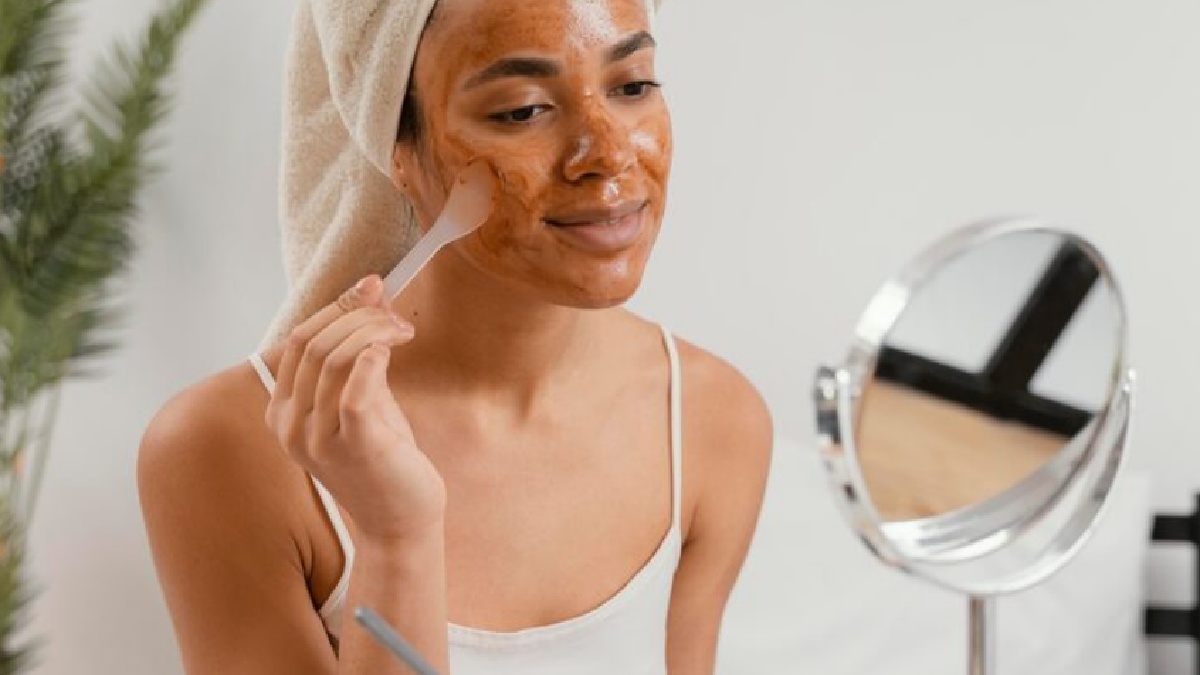
If you have a simple science based routine that includes cleansing, moisturizing, sun protection and targeted treatments, it can really start to work. What products are required for a glowing skin type.
Understand Your Skin Type
When looking for skincare products, you should identify your skin type.
Related Articles


Melanin-rich skin can be:
- Oily
- Dry
- Combination
- Normal
- Sensitive
Knowing your skin type can inform your choices for products that provide hydration and oil control and do not cause irritation.
Step 1: Cleanse Gently
Dirt, oil, makeup and environmental pollutants that accumulate all day are removed with cleansing.
Related Articles

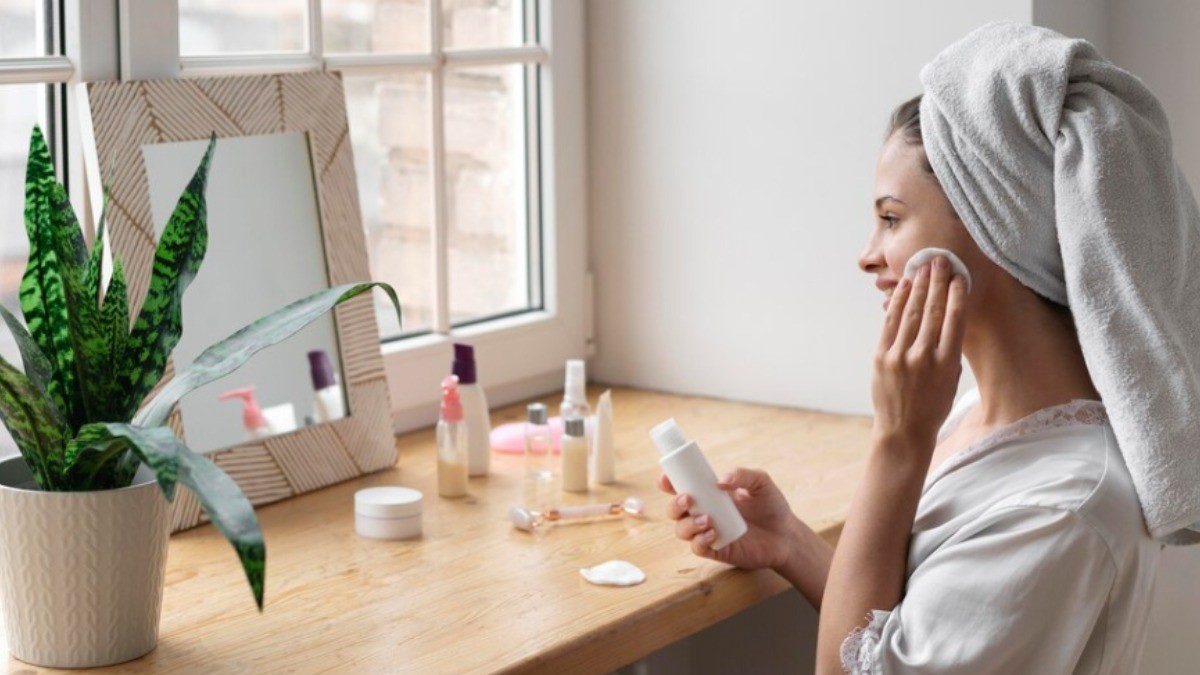
Choose a gentle cleanser that:
- Removes impurities without stripping natural oils
- Is free from harsh sulfates if your skin is sensitive
- Supports your skin barrier
Wash your face twice daily once in the morning and once before bedtime. Scrubbing aggressively can cause irritation and increase the risk of post-inflammatory hyperpigmentation since friction can lead to irritation and worsen post inflammatory hyperpigmentation.
Step 2: Use a Hydrating Toner (Optional)
A toner can refresh the skin and provide extra hydration after cleansing.
Look for ingredients such as:
- Glycerin
- Hyaluronic acid
- Aloe vera
- Panthenol
Avoid alcohol-based toners that can dry out the skin.
Step 3: Apply an Antioxidant Serum
As we said, serums deliver concentrated ingredients that are aimed at specific concerns.
A vitamin C serum can help:
- Brighten dull skin
- Reduce the appearance of dark spots
- Encourage collagen production
- Protect against environmental damage
Other beneficial ingredients include niacinamide, which may help improve uneven skin tone and strengthen the skin barrier.
Step 4: Moisturize Daily
Moisturizing keeps the skin soft, smooth, and hydrated.
Hence, choose a moisturizer for your skin type:
- Lightweight gel moisturizers for oily skin
- Cream-based moisturizers for dry skin
- Barrier supporting formulas with ceramides for sensitive skin
Healthy and hydrated skin is generally better able to maintain its protective barrier.
Step 5: Never Skip Sunscreen
A common misconception is that darker skin tones do not need sunscreen. Melanin does provide some natural UV protection but does not protect against sun damage completely.
Daily sunscreen use helps:
- Prevent hyperpigmentation from worsening
- Reduce sun damage
- Lower the risk of premature skin aging
- Protect overall skin health
Use a broad-spectrum sunscreen with SPF 30 or higher every day, even on cloudy days or when indoors near windows. Reapply as directed, especially if spending time outdoors.
Address Hyperpigmentation Carefully
Hyperpigmentation is one of the most common skincare concerns in melanin-rich skin. Dark spots often develop after acne, eczema, insect bites, or skin injuries.
Ingredients that may help improve hyperpigmentation include:
- Niacinamide
- Azelaic acid
- Vitamin C
- Retinoids (as recommended by a healthcare professional)
- Alpha arbutin
Results take time, so consistency is critical. Avoid using multiple strong active ingredients at the same time without guidance, as irritation can worsen discoloration.
Exfoliate in Moderation
Exfoliation removes dead skin cells and promotes smoother skin, but over-exfoliating can damage the skin barrier.
Use gentle chemical exfoliants such as:
- Lactic acid
- Mandelic acid
- Polyhydroxy acids (PHAs)
Exfoliate one to three times per week depending on your skin's tolerance.
Stay Hydrated and Eat a Balanced Diet
Healthy skin also depends on good nutrition and hydration.
Support your skin by:
- Drinking enough water throughout the day
- Eating colorful fruits and vegetables
- Including foods rich in omega-3 fatty acids
- Consuming lean proteins
- Limiting excessive sugar and highly processed foods
A nutrient-rich diet supports overall skin function and repair.
Avoid Picking at Acne
Picking or squeezing pimples can increase inflammation and make dark marks more likely to develop. If acne is persistent or severe, consult a dermatologist for personalized treatment options.
When to See a Dermatologist
Professional care may be helpful if you experience:
- Persistent acne
- Severe hyperpigmentation
- Keloid or raised scars
- Eczema
- Unexplained rashes
- Skin changes that do not improve with overthe counter products
A dermatologist can recommend treatments that are appropriate for melanin-rich skin and help minimize the risk of unwanted pigmentation changes.
Melanin-rich skin is naturally vibrant and deserves a skincare routine tailored to its unique needs. Gentle cleansing, consistent moisturizing, daily sunscreen use, and targeted treatments for hyperpigmentation can help maintain a healthy, even-toned complexion. Pairing these habits with a balanced diet, adequate hydration, and regular dermatology checkups when needed supports long-term skin health. Remember that glowing skin comes from consistency, patience, and choosing products that respect your skin's natural beauty.




Comments 0