
Your skin faces different challenges as the seasons change. Winter can leave it dry, tight and flaky, while summer often brings excess oil, sweat, tanning and breakouts. Following the same skincare routine throughout the year may not always provide the protection and hydration your skin needs.

The good news is that you do not need an overly complicated routine to maintain healthy-looking skin. A few seasonal adjustments to cleansing, moisturising, sun protection and hydration can make a significant difference. Here are 10 practical skincare tips to help your skin stay comfortable and nourished in both winter and summer.
1. Use a Gentle Cleanser
Cleansing helps remove dirt, sweat, sunscreen and excess oil, but an overly harsh cleanser can disrupt the skin barrier. During winter, choose a gentle, hydrating cleanser that does not leave your skin feeling tight after washing.
Related Articles


In summer, you may prefer a lightweight gel or foaming cleanser if your skin becomes oilier. Avoid washing your face excessively, as this can cause irritation and may make dryness or oiliness worse.
2. Moisturise According to the Season
Moisturiser remains important throughout the year, but the texture can change with the weather.
During winter, a richer cream containing ingredients such as ceramides, glycerin or hyaluronic acid can help support the skin barrier and reduce moisture loss. In summer, a lightweight lotion or gel moisturiser may feel more comfortable, especially for oily or combination skin.
Related Articles

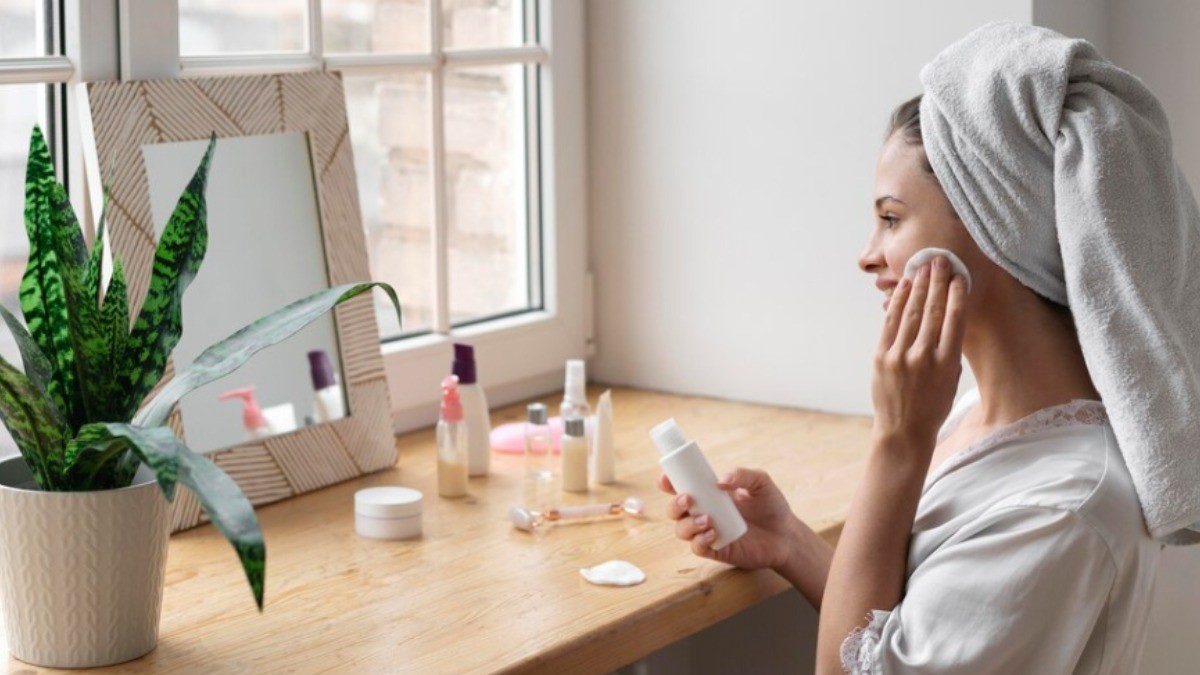
Apply moisturiser while the skin is slightly damp to help lock in hydration.
3. Never Skip Sunscreen
Sunscreen is not only a summer essential. Ultraviolet exposure occurs throughout the year, even on cloudy days.
Use a broad-spectrum sunscreen with SPF 30 or higher and apply it generously to exposed skin. Reapply when needed, particularly after sweating, swimming or spending extended periods outdoors.
Remember areas such as the ears, neck and hands, which are often overlooked.
4. Stay Hydrated
Hot weather can increase fluid loss through sweating, while dry winter air can contribute to uncomfortable skin.
Drink enough water throughout the day according to your individual needs. Hydration alone cannot replace a good skincare routine, but adequate fluid intake supports overall health and can complement your skin-care habits.
5. Adjust Exfoliation
Exfoliation can help remove dead skin cells and improve skin texture, but excessive exfoliation can damage the skin barrier.
If your skin becomes sensitive or dry in winter, reduce how frequently you exfoliate. During summer, avoid aggressive scrubbing even if sweat and oil make your skin feel congested.
Choose gentle exfoliating products when appropriate, and stop or reduce use if you experience persistent irritation.
6. Protect Your Skin From Extreme Weather
Winter winds and low humidity can make the skin barrier more vulnerable. Wearing comfortable clothing that protects exposed skin and using a moisturising routine can help reduce dryness.
During summer, seek shade when the sun is strongest, wear protective clothing and use sunglasses and a hat when appropriate. These simple measures can reduce direct sun exposure.
7. Be Careful With Hot Showers
A long, hot shower may feel especially appealing during cold weather, but very hot water can strip natural oils from the skin.
Use lukewarm water instead and keep showers reasonably short. After bathing, gently pat your skin dry rather than rubbing it vigorously, then apply moisturiser.
8. Choose Non-Comedogenic Products if You Are Acne-Prone
Summer heat, sweat and humidity can contribute to clogged pores for some people. If you are prone to acne, consider lightweight, non-comedogenic skincare and makeup products.
Cleanse after heavy sweating and avoid repeatedly touching your face with unwashed hands. However, do not aggressively scrub or repeatedly wash acne-prone skin, as irritation can make the problem worse.
9. Give Your Lips Extra Care
Lips can become dry and cracked in both winter and summer. Use a nourishing lip balm regularly and choose one with sun protection when spending time outdoors.
Avoid repeatedly licking dry lips, as saliva can worsen dryness. If cracking is severe, persistent or accompanied by other symptoms, consider speaking with a healthcare professional.
10. Pay Attention to What Your Skin Is Telling You
The most important skincare rule is to pay attention to changes in your skin. Products that worked well in one season may feel too heavy or too drying in another.
If you experience persistent redness, itching, painful acne, unusual rashes, swelling or significant skin changes, do not rely solely on cosmetic products. A dermatologist can help identify the underlying cause and recommend appropriate treatment.
Build a Routine That Changes With the Weather
Seasonal skincare does not have to mean replacing your entire beauty cabinet every few months. Instead, focus on adjusting a few key elements. Winter routines generally benefit from extra barrier support and moisturisation, while summer routines may need lighter textures, more frequent sunscreen application and better sweat management.
A simple routine can include cleansing, moisturising and daily sun protection, with additional products added according to your skin type and concerns.
Healthy skin is not about achieving perfection. It is about protecting the skin barrier, limiting unnecessary irritation and developing habits that you can maintain consistently. By making small adjustments for winter and summer, you can help your skin remain comfortable, protected and healthy-looking throughout the year.




Comments 0