
Fashion trends are constantly changing. A colour, silhouette, fabric, accessory or hairstyle that becomes popular today may be replaced by something completely different within a few months. While fashion can sometimes appear to be driven simply by changing tastes, trends are influenced by a complex combination of social, cultural, economic and technological factors.
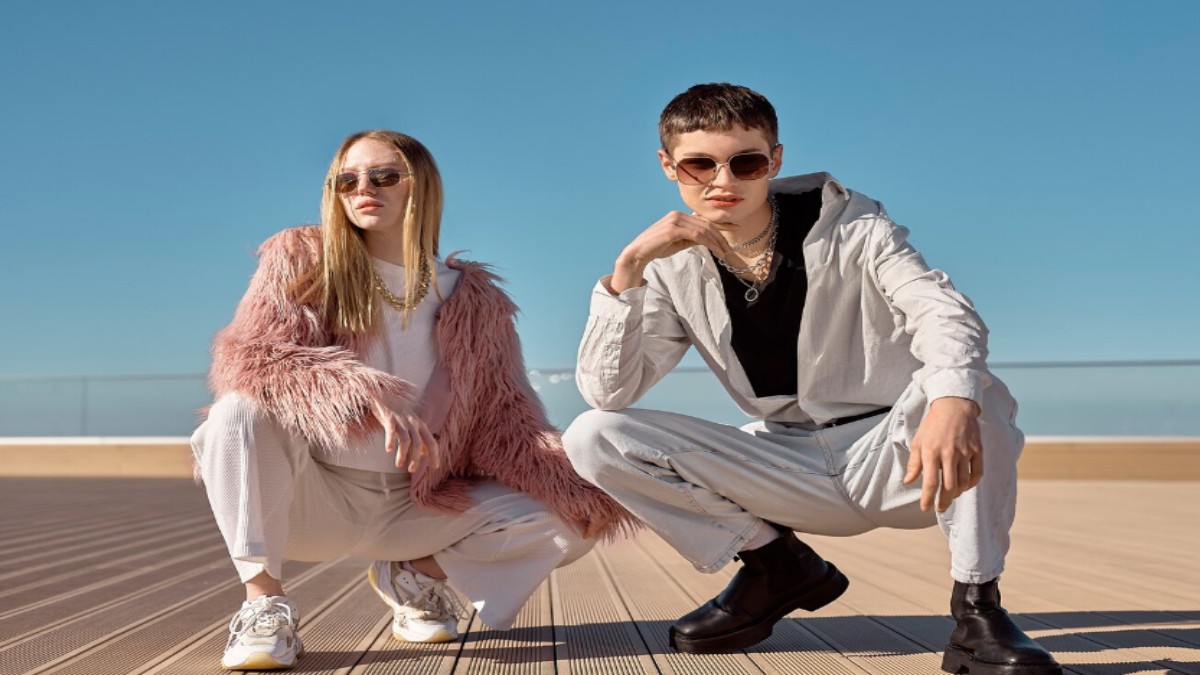
Fashion trends affect much more than what people wear. They influence consumer behaviour, personal identity, popular culture, business strategies and even discussions about sustainability. Understanding the causes and effects of fashion trends provides insight into why certain styles become popular and how they shape society.
What Causes Fashion Trends
1. Celebrity Influence
Celebrities have historically played a major role in determining what becomes fashionable. Actors, musicians, athletes and other public figures can bring attention to particular outfits, brands or accessories.
Related Articles
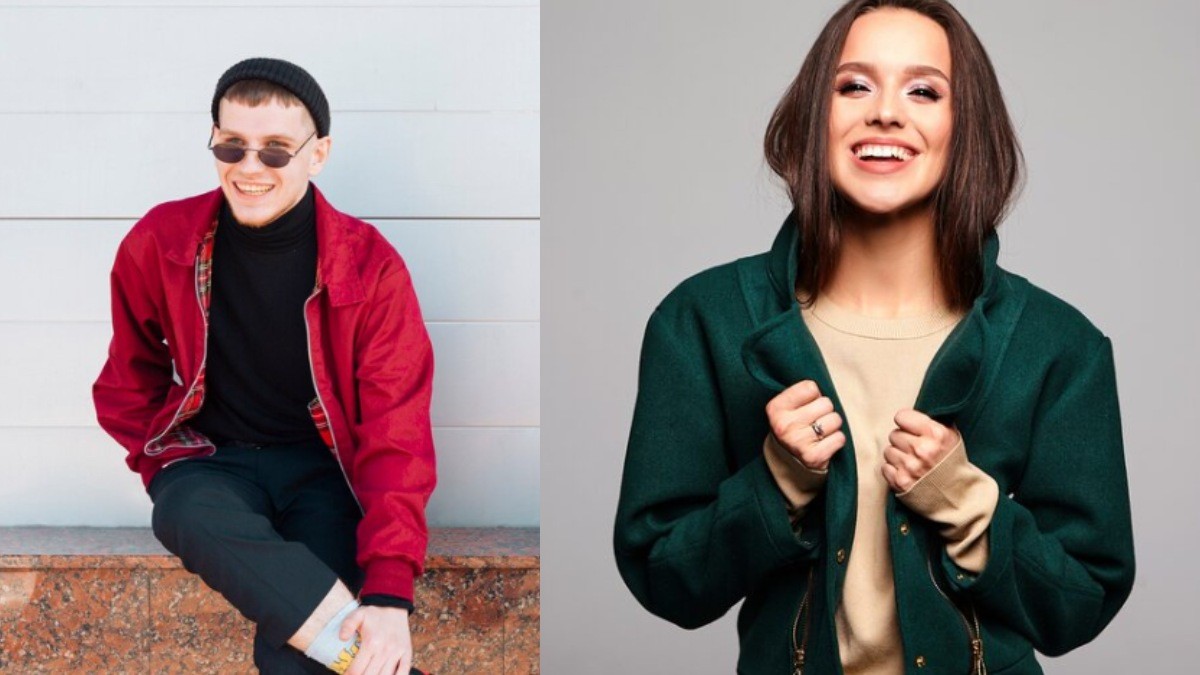
When a celebrity wears a specific style at an event or in public, fans and fashion enthusiasts may look for similar pieces. Celebrity collaborations with fashion brands can further accelerate the popularity of a trend.
2. Social Media
Social media has transformed the speed at which fashion trends develop. Platforms such as Instagram, TikTok, YouTube and Pinterest allow users to discover and share styling ideas instantly.
A particular outfit or aesthetic can become widely recognised after appearing in viral videos or posts. Unlike traditional fashion systems, social media allows ordinary consumers to influence trends alongside designers and celebrities.
Related Articles
3. Cultural Influences
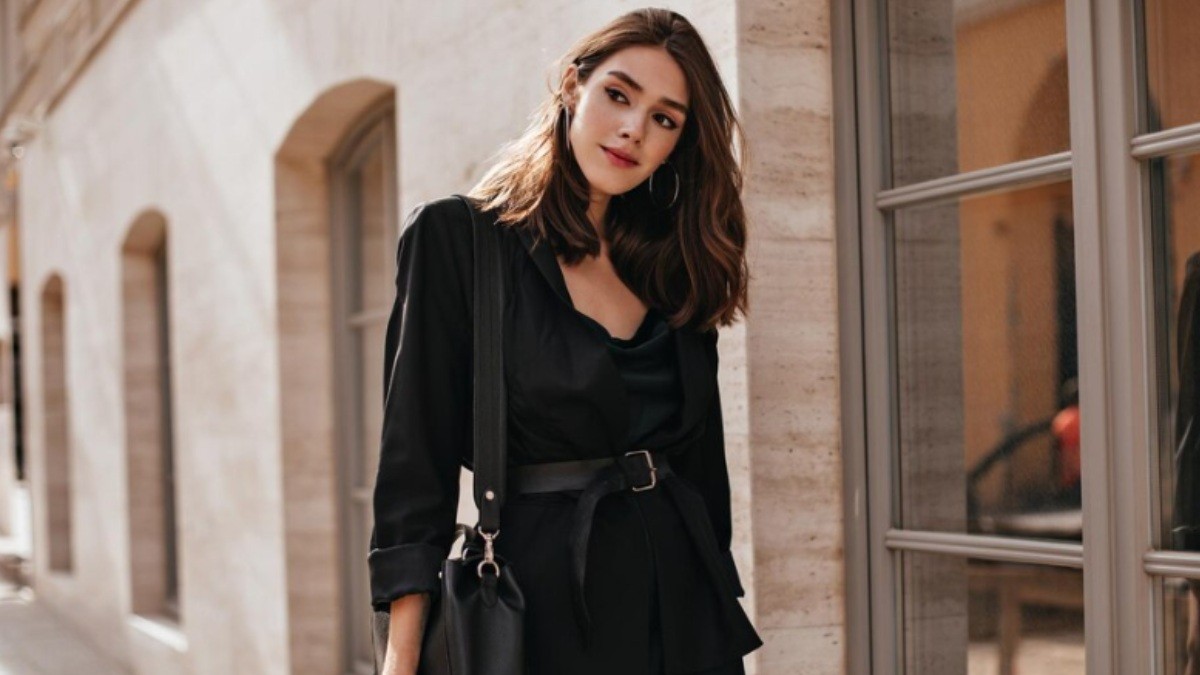
Fashion is closely connected to culture. Music, films, art, festivals, traditions and social movements can all inspire clothing trends.
Designers frequently draw inspiration from different historical periods and cultural influences. Streetwear, for example, has developed through interactions between youth culture, music, sports and urban communities.
4. Fashion Designers and Runway Shows
Designers and fashion houses introduce new collections that can influence future trends. Runway shows often experiment with colours, shapes, materials and styling concepts that eventually appear in mainstream clothing.
Although not every runway design becomes popular with consumers, fashion collections can influence the direction of the wider industry.
5. Technology
Technology has changed both fashion production and consumption. Online shopping, artificial intelligence, digital design tools and personalised recommendations make it easier for consumers to discover new products.
Technology has also shortened the distance between designers and customers. A trend can move from a designer's collection to social media and then into online stores remarkably quickly.
Effects of Fashion Trends
Fashion Encourages Self-Expression
One of the most positive effects of fashion trends is that they provide people with opportunities for self-expression. Clothing can communicate personality, mood, interests and cultural identity.
People can follow trends closely, adapt them to their own style or reject them completely. Fashion therefore allows individuals to participate in popular culture while maintaining a sense of personal identity.
Trends Create Social Connections
Fashion can create a sense of belonging. People who share an interest in a particular aesthetic, brand or style may form communities around it.
From vintage fashion enthusiasts to streetwear fans, fashion communities can connect people who share similar interests. Clothing can become a visual marker of membership in a particular social group.
Economic Impact
Fashion trends have significant economic consequences. When a particular style becomes popular, retailers and manufacturers may increase production to meet consumer demand.
Trends create opportunities for designers, textile manufacturers, retailers, stylists, photographers, content creators and many other professionals. At the same time, rapidly changing trends can create pressure on businesses to constantly introduce new products.
Increased Consumerism
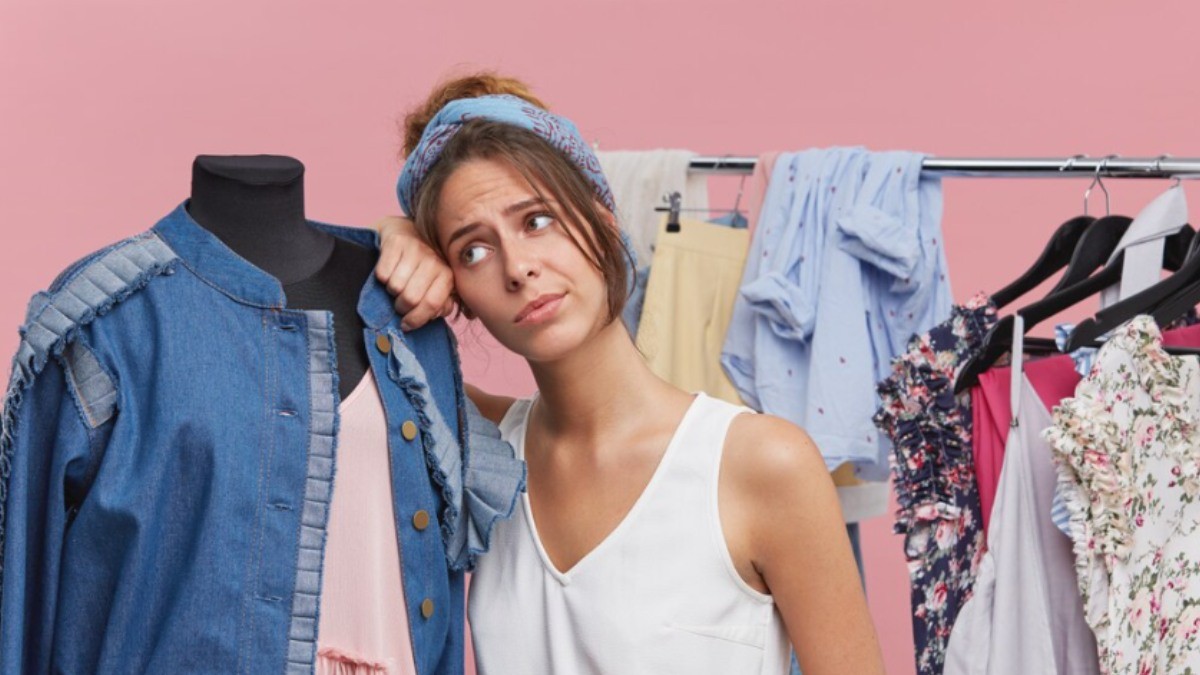
The constant arrival of new trends can encourage people to purchase clothing more frequently. Consumers may feel pressure to update their wardrobes to remain fashionable.
This can contribute to impulse buying and the accumulation of clothes that may only be worn a few times. Fast fashion has made trend-based clothing more affordable, but it has also raised concerns about waste and resource consumption.
Environmental Effects
The environmental impact of fashion trends has become an important issue. Producing clothing requires materials, energy and water, while discarded garments contribute to waste.
Rapid trend cycles can encourage a "buy and replace" mentality. In response, sustainable fashion movements promote practices such as buying fewer high-quality pieces, repairing garments, choosing second-hand clothing and supporting more responsible production.
Changing Beauty and Social Standards
Fashion trends can influence perceptions of attractiveness and social acceptability. Certain body shapes, colours, silhouettes and styling techniques may become particularly desirable during different periods.
While fashion can celebrate diversity and introduce new ideas about beauty, unrealistic standards can also create pressure and dissatisfaction. Greater representation of different body types, ages, cultures and identities can help make fashion more inclusive.
The Future of Fashion Trends
The future of fashion is likely to be shaped by sustainability, technology and changing consumer expectations. Consumers are increasingly interested in the origins of their clothing and the environmental consequences of their purchases.
Digital fashion, artificial intelligence, virtual styling and personalised shopping experiences may also influence how trends are created and consumed. At the same time, vintage and second-hand fashion may continue to grow as consumers look for distinctive styles and more sustainable alternatives.
Fashion trends are shaped by many forces, including celebrities, social media, culture, designers, technology and changing consumer preferences. Their effects extend beyond clothing, influencing identity, social relationships, business, consumer behaviour and the environment.
Following fashion can be an enjoyable form of creativity and self-expression, but consumers can also benefit from approaching trends thoughtfully. Choosing styles that suit individual preferences, investing in versatile clothing and considering sustainability can help people enjoy fashion without feeling controlled by constantly changing trends.




Comments 0