
Fashion has evolved so rapidly, but now the pace at which trends are established and then evaporate has become faster. A style that takes over social media one month can be forgotten only a few months later.
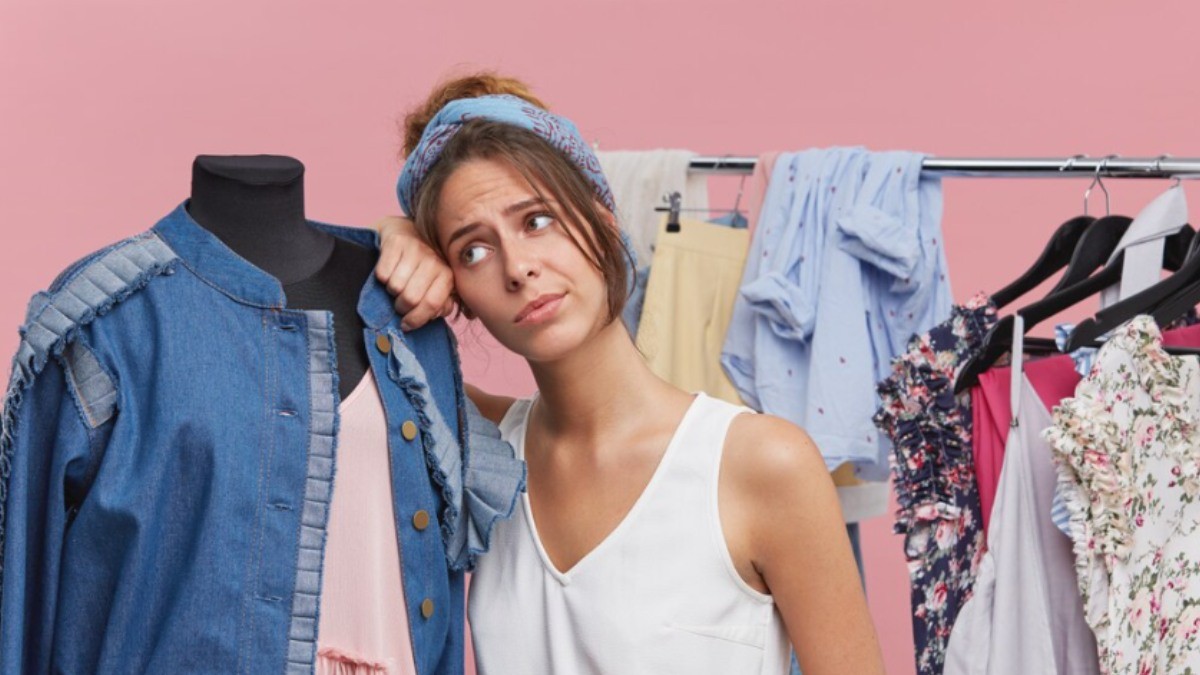
Fashion changes from big silhouettes to fitted clothes, quiet luxury to bold maximalism and so on. Why does this happen so quickly?
What is the answer is technology, consumer behavior, social media and the way the modern fashion industry operates today’s fashion industry.
Related Articles
1. Social Media Speeds Everything Up
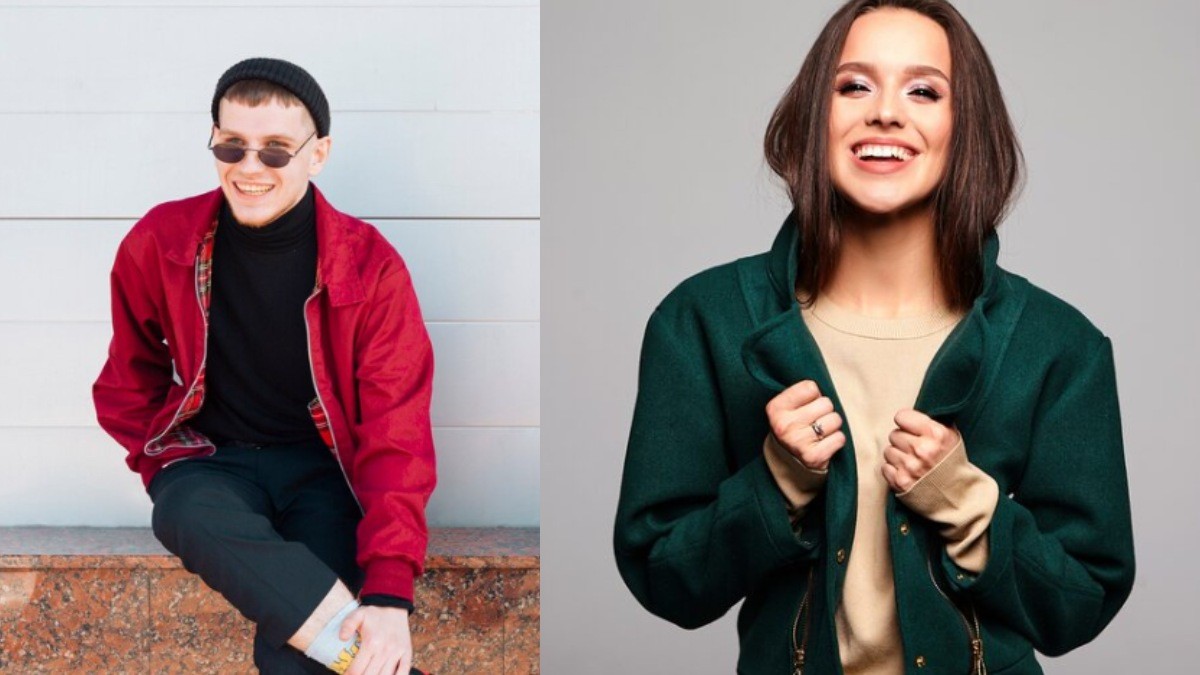
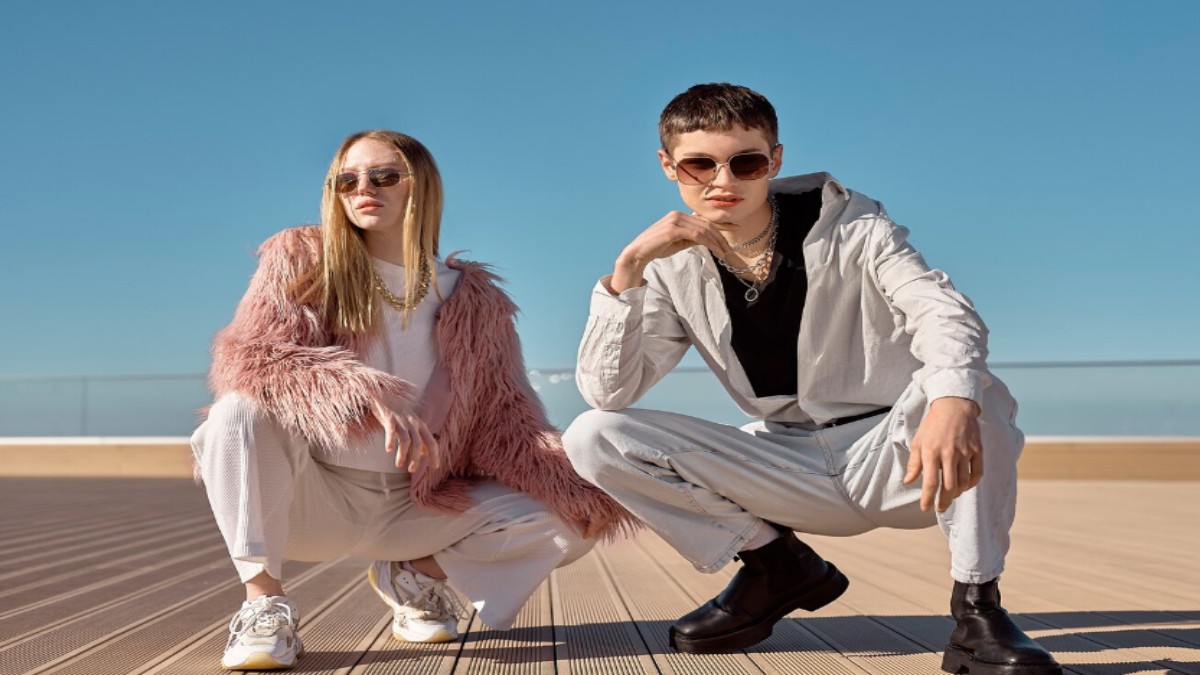
Instagram, TikTok and Pinterest changed the fashion cycle. A particular outfit or styling aesthetic can be popular within days after going viral.
When millions of people see the same look over and over again, brands respond quickly by making the same kinds of styles. But social media audiences move very fast and so do people, and so there will always be their need for a new look.
2. Celebrities and Influencers Set the Pace
Celebrities, influencers and fashion creators can turn some very niche styles into mainstream trends as fast as the next big thing with people, influencers and fashion designers are able to take relatively rare styles to mainstream trends.
Related Articles
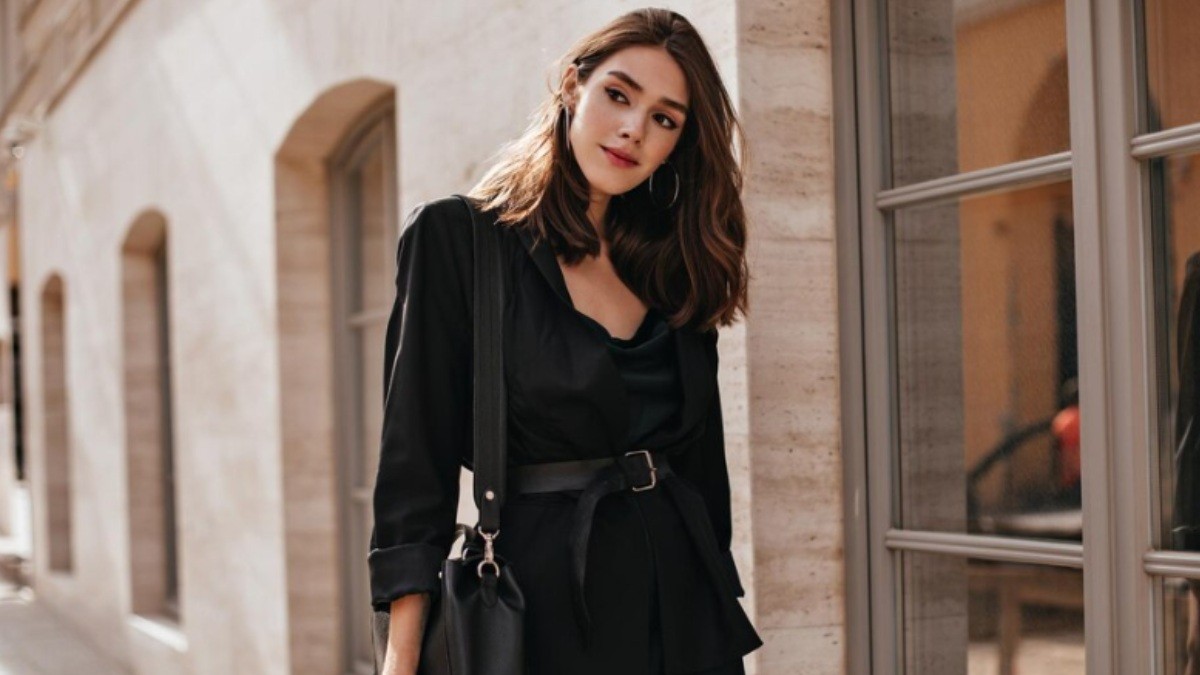
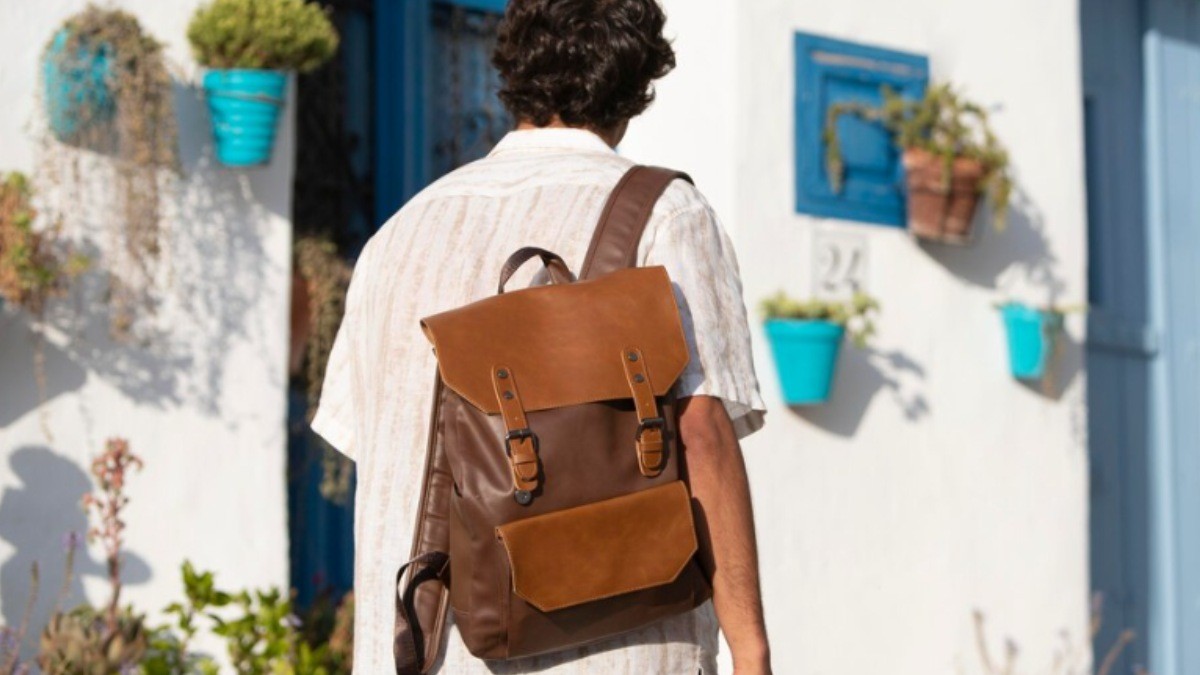
A celebrity with a particular silhouette, colour or accessory can lead to an almost instantaneous increase of interest in similar products. Influencers then take the trend and reframe it for everyday wear to reach even more people.
3. Fast Fashion Encourages You To Follow The Trend
Fast fashion companies are rapidly providing consumers with access to new styles as they go. Instead of waiting for seasonal collections, customers can see new designs almost every week from day one.
This flexibility allows consumers to experiment with different aesthetics rather than stick to one style for years.
4. Fashion Works in Cycles
It seems that not all “new” trends are actually new. Fashion frequently brings back older styles.
Trends from the 1990s, 2000s and even earlier decades can return with a modern interpretation. Designers and brands can adapt nostalgic styles to contemporary wardrobes once a nostalgic style becomes popular.
In this way, revival and reinvention are continuous.
5. Designers Need to Create Something New
Fashion companies also have a commercial rationale to keep changing styles. New collections make customers come back to stores and consider buying something different.
In a very short time, we will see a little more variety. So everything we want to do in fashion will happen, all the time.
6. Consumers Want Individuality
There’s another interesting aspect to fast-changing trends: People get tired of seeing the same look everywhere.
When some fashion-minded consumers start to search for something different from the trend that is so common, they will start searching for something else. This desire for individuality can be a very fertile source of the next trend.
And so, it may be popularity that makes a trend lose its appeal.
7. Micro-Trends Have Changed Fashion
Today fashion does not necessarily have one dominant trend for an entire season. Rather, several micro-trends can exist simultaneously.
A particular colour, handbag shape, shoe style or clothing aesthetic may become popular for a few weeks before another look takes its place.
This makes fashion feel faster and more unpredictable than before.
Should You Follow Every Fashion Trend?
Not necessarily. Following every trend is expensive, and will lead to your wardrobe wearing out too quickly.
Instead, incorporate trends with smaller pieces -- accessories, shoes or colours. Investing in classic silhouettes and adding a few current elements can make for a wardrobe that looks stylish without needing to be revamped a lot.
Final Thoughts
Fashion trends change quickly because the industry, social media and consumer behaviour are moving faster than ever. What is popular today can be replaced by another aesthetic within months— or even weeks.
The best approach is not to follow every trend but to know what works for your personal style. Fashion changes with you constantly, but personal style can be timeless.




Comments 0