
The common cold is the most common viral infection and affects millions of people every year. There is no cure to the common cold, but there are home remedies for sore throat, cough, nasal congestion, and fatigue that can help with all of them. Most colds improve on their own within 7 to 10 days and proper care of your body can help with recovery.
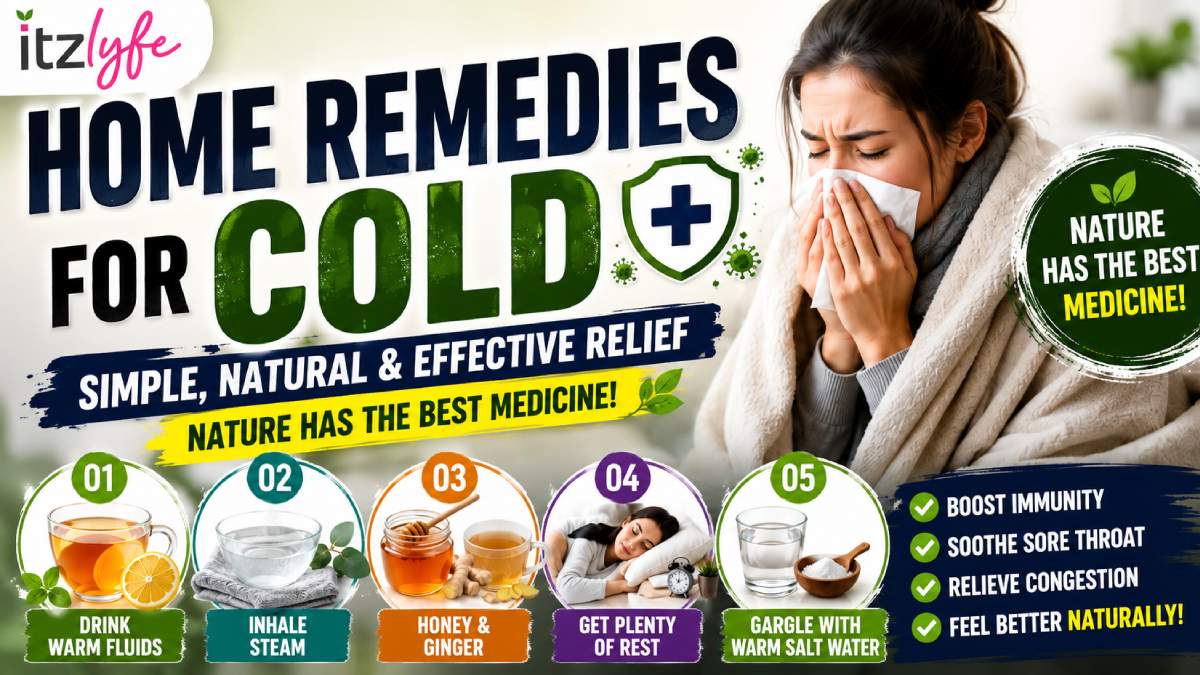
One way to combat a cold is through warm fluids. Warm water, herbal teas, clear soups, warm lemon water and warm water can soothe an irritated throat, lubricate mucus and keep your body hydrated if you are trying to keep in charge. Staying hydrated is especially critical because fever, congestion, and mouth breathing can cause fluid loss (e.g., mouth breathing can contribute to fluid loss).
Steam inhalation is another good remedy. Working with warm steam is one of the best ways to remove mucus and help relieve nasal congestion while also letting you breathe. You can take in steam from a bowl of hot water or in a warm shower. But be careful when you handle hot water with children.
Related Articles
A classic remedy that many people find soothing is honey and fresh ginger. Honey can help with cough relief and throat irritation and ginger contains natural compounds that can help with comfort with a cold. We do not give honey to babies younger than 12 months of age.
All that rest and quality sleep is a big part of recovery too. When you’re sick the immune system is working hard to combat the infection. Rest facilitates the body to conserve energy and supports the natural healing process. If one has to stop doing things they will feel the result is a slower recovery.
If there is a sore throat and it is hard to swallow or speak, gargling with warm salt water several times a day can be the best way to treat it and relieve it. Salt water can help relieve throat irritation and relieve discomfort and is one of the cheapest home remedies for a cold.
Related Articles


While these remedies can help relieve symptoms, they do not cure the viral infection. Antibiotics don’t work against the common cold because it’s viruses, not bacteria. A healthy diet, hydration and good hygiene are also beneficial to recovery and prevent infection spreading to other people.
Most colds become mild, but if your condition worsens and doesn’t improve, it’s important to seek medical attention if you have a high fever, severe difficulty breathing, persistent chest pain, symptoms lasting longer than 10 days or if you have a problem worse than 10 days before you go to the doctor, and such an illness is considered serious and requires professional treatment.
With rest, hydration, and these simple home remedies, you can manage cold symptoms at the same time you can get a more comfortable cold symptoms in a more natural way, as well as support the body the support it needs to recover naturally.




Comments 0