
Artificial intelligence (AI) is a changing field in medicine and researchers have created an AI tool that can now detect diabetes beyond simply diabetes. Such a tool can also sort a person’s type of diabetes and hence make them more likely to get into a diagnosis faster and to have a more personalized treatment plan.
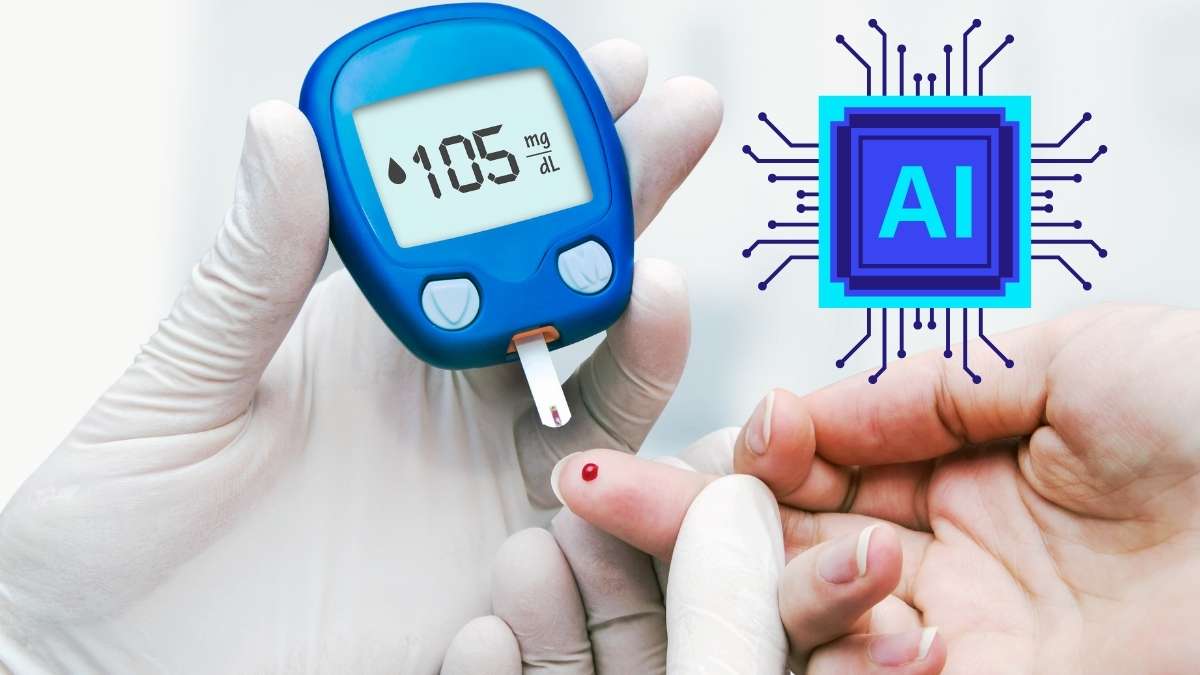
Diabetes affects hundreds of millions of people around the world and is generally diagnosed as Type 1 diabetes, Type 2 diabetes, gestational diabetes and a few rare forms of the disease. Correctly identifying the type of diabetes is very important because there are different types of diabetes and their treatment is different. But it can be difficult to discern these types of diabetes in the early stages or in patients with the same symptoms.
The new AI system is built to analyze vast amounts of patient data, clinical information, laboratory test results and other medical indicators. A pattern that is less obvious to healthcare professionals can help to determine not only if a person has diabetes but also which type they are most likely to have.
Related Articles

Researchers think the technology could also greatly increase diagnostic accuracy. People may be initially diagnosed with an incorrect diabetes diagnosis and the most appropriate treatment is delayed in some cases. Such errors may be minimized with the help of an AI-assisted classification tool, and will help clinicians make informed decisions.
The AI is based on machine learning algorithms, a branch of artificial intelligence that enables computers to learn from vast data and then learn to make better predictions over time. After having been trained on thousands of patient records, AI can be trained to pick up on subtle biological and clinical differences in different forms of diabetes.
So one of the biggest benefits of the tool is that personalized medicine will be possible. Doctors can tailor it according to the subtype of diabetes patients rather than having an all-inclusive approach. This may improve blood sugar control, minimize complications and improve long-term health.
Related Articles


Researchers also believe that the technology could be particularly useful in healthcare settings that may not have access to diabetes specialists. Given that AI has a new tool for making decisions, speed and consistency of diagnosis may be improved in primary care and rural healthcare settings.
Despite the promise of AI, experts say that the AI tool is not meant to replace doctors; rather, it is meant to supplement healthcare professionals with additional insights based on data analysis. The final diagnosis and treatment decisions are all going to depend on clinical evaluation, medical history, laboratory testing and physician knowledge.
In order for the technology to be widely offered, clinical validation and regulatory review will be necessary to confirm its accuracy, safety, and effectiveness in a broad clinical population. We are hopeful that further testing will bring the system to the forefront and that it will be used in the medical field.
As artificial intelligence is integrated into healthcare, innovations like this can change diabetes care in a lot of ways, and can lead to earlier diagnosis, more accurate classification and personalized treatment, for instance. A successfully built AI tool could be a gamechanger for millions of people living with diabetes worldwide.




Comments 0