
Black pepper, often referred to as the "King of Spices," is one of the most commonly used seasonings worldwide. Beyond enhancing the flavor of food, black pepper offers several potential health benefits thanks to its active compound, piperine. This natural compound has been studied for its antioxidant, anti-inflammatory, and digestion-supporting properties. However, like any food ingredient, black pepper should be consumed in moderation, as excessive intake may cause side effects for some individuals. Here's a closer look at the pros and cons of black pepper.
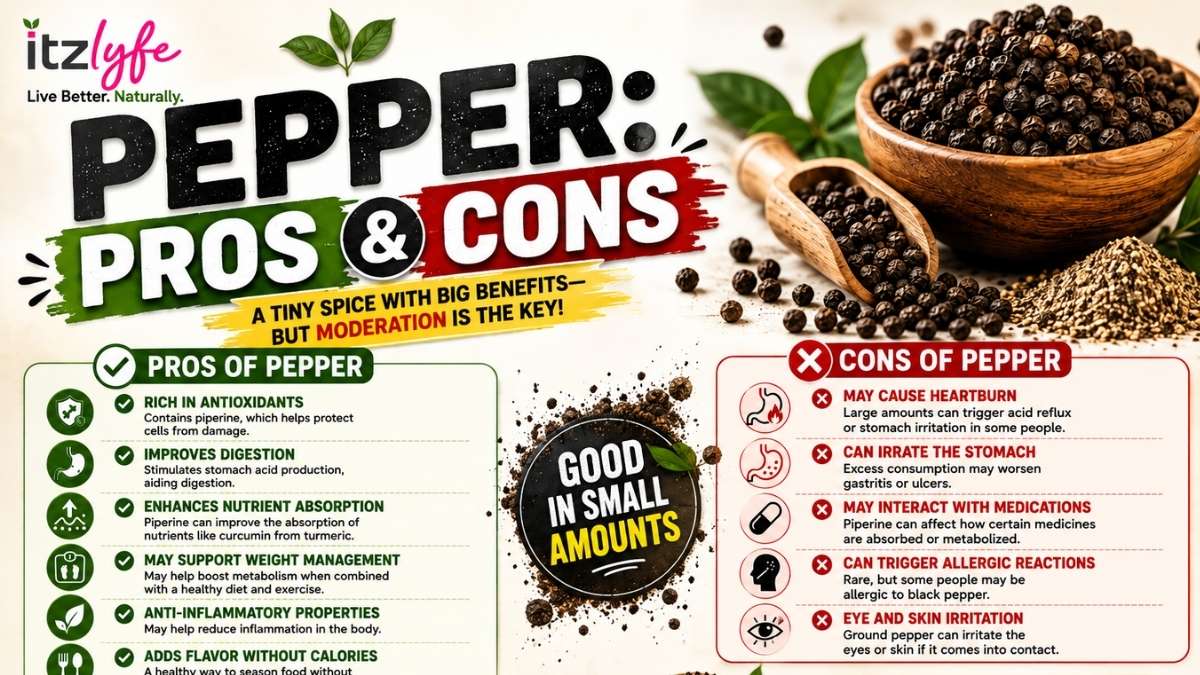
One of the biggest advantages of black pepper is that it is rich in antioxidants. Piperine helps protect the body's cells from oxidative stress caused by free radicals. Antioxidants play an important role in supporting overall health and may contribute to reducing the risk of chronic diseases when included as part of a balanced diet.
Black pepper may also improve digestion by stimulating the production of stomach acid. Adequate stomach acid helps the body break down food more efficiently, making it easier to digest proteins and absorb nutrients. Adding a moderate amount of black pepper to meals can support healthy digestion for many people.
Related Articles

Another well-known benefit of black pepper is its ability to enhance nutrient absorption. Piperine has been shown to improve the absorption of certain nutrients and plant compounds, particularly curcumin, the active ingredient in turmeric. This is why black pepper is often paired with turmeric in both cooking and dietary supplements.
Some research also suggests that black pepper may support weight management. Piperine may have a modest effect on metabolism and fat metabolism when combined with a healthy diet and regular physical activity. However, black pepper alone is not a weight-loss solution and should be viewed as one part of an overall healthy lifestyle.
Additionally, black pepper contains compounds with anti-inflammatory properties, which may help reduce inflammation in the body. It is also a simple way to add flavor to meals without adding calories, sugar, or unhealthy fats, making it a smart seasoning choice for people aiming to eat healthier.
Related Articles


Despite its benefits, black pepper may not be suitable for everyone. Large amounts can trigger heartburn or acid reflux, particularly in people with sensitive stomachs. Excessive consumption may also irritate the stomach lining, potentially worsening conditions such as gastritis or stomach ulcers.
Another important consideration is that piperine can interact with certain medications by affecting how they are absorbed or metabolized in the body. Individuals taking prescription medicines should speak with their healthcare provider before significantly increasing their intake of black pepper or piperine supplements.
Although uncommon, allergic reactions to black pepper can occur. In addition, ground pepper may cause temporary eye and skin irritation if it comes into direct contact.
In conclusion, black pepper is a nutritious spice that offers several health benefits when used in moderation. It supports digestion, enhances nutrient absorption, provides antioxidants, and adds flavor without extra calories. However, people with digestive disorders or those taking certain medications should exercise caution and seek medical advice if needed. As with most foods, moderation is the key to enjoying the health benefits of black pepper safely.




Comments 0