Menstruation is a natural part of the reproductive cycle for many women and adolescents. While every person's menstrual cycle is unique, most periods follow a relatively predictable pattern in terms of timing, duration, and flow. However, there are times when changes in menstrual bleeding may signal an underlying health condition that deserves medical evaluation.
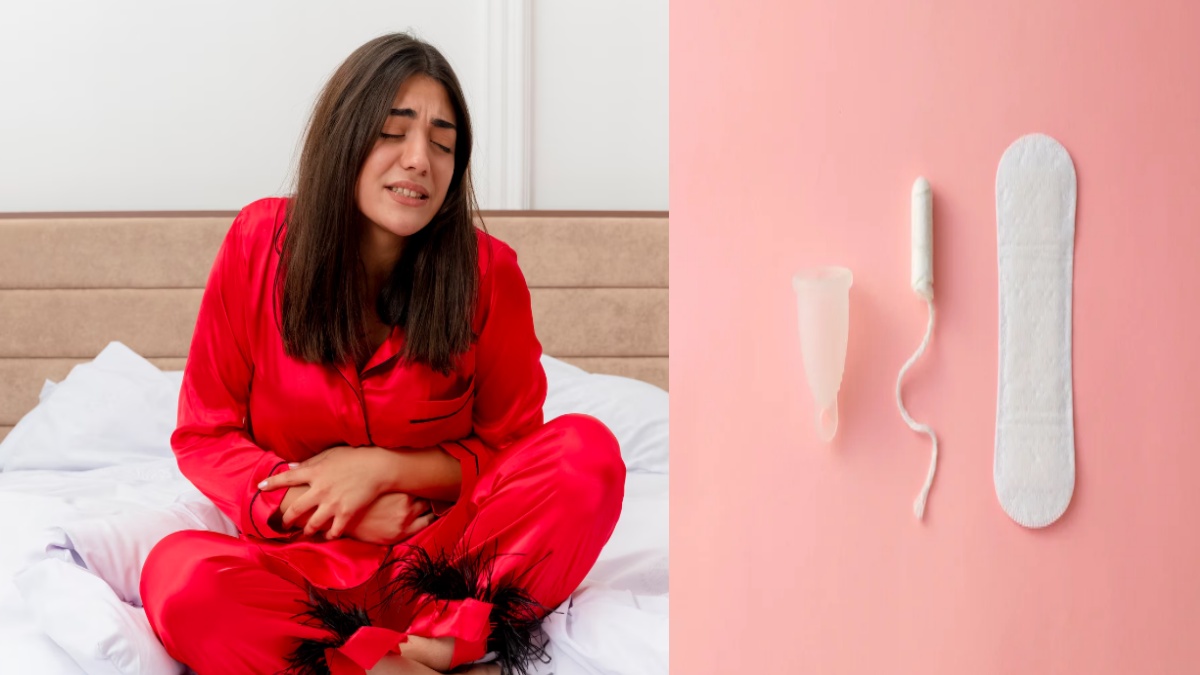
Doctors emphasize that not every heavy or irregular period is a cause for alarm, but persistent changes, severe symptoms, or excessive bleeding should not be ignored. Understanding what is considered normal and recognizing warning signs can help women seek timely care and protect their reproductive health.
What Is Considered a Normal Period
A typical menstrual cycle usually occurs every 21 to 35 days, with menstrual bleeding lasting about 2 to 7 days. The amount of blood loss varies between individuals, and factors such as age, stress, hormonal changes, and certain medications can influence menstrual patterns.
Related Articles
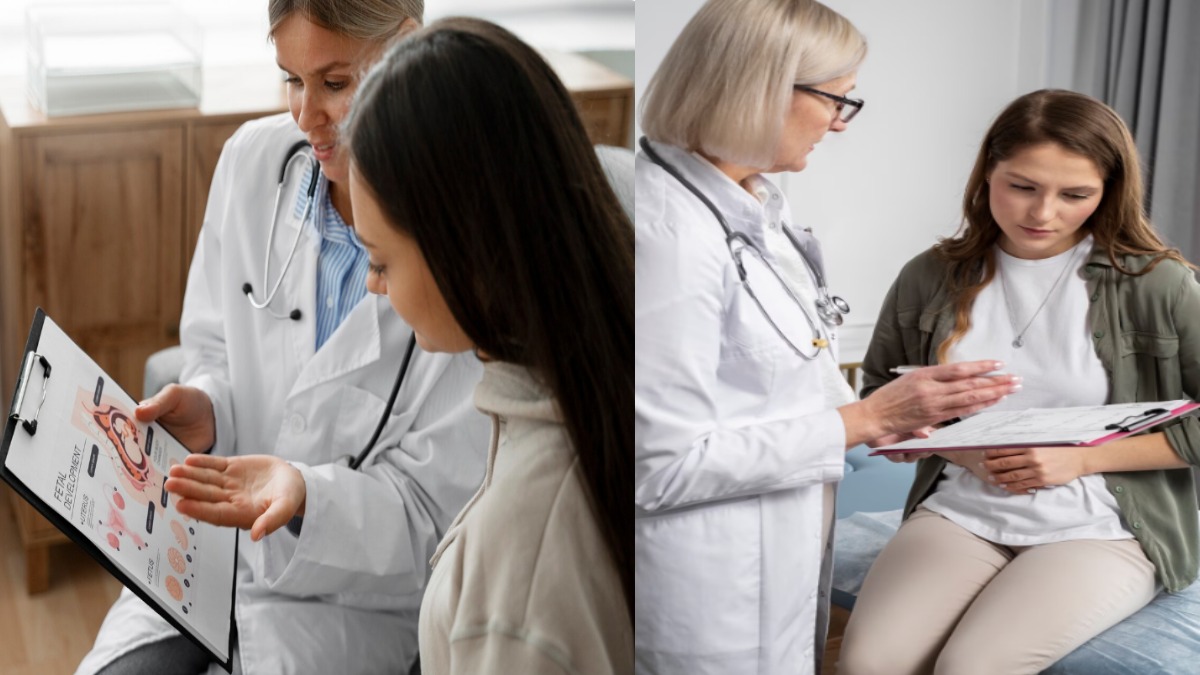
Some mild cramping, fatigue, and mood changes are common during menstruation. However, symptoms that interfere significantly with daily life or represent a sudden change from your usual pattern may warrant medical advice.
Heavy Menstrual Bleeding
One of the most common reasons women consult a gynecologist is heavy menstrual bleeding, also known as menorrhagia.
Heavy bleeding may include:
Related Articles


- Soaking through a sanitary pad or tampon every hour for two or more consecutive hours
- Needing to use multiple sanitary products at the same time
- Passing large blood clots repeatedly
- Waking up at night to change sanitary protection frequently
- Bleeding that disrupts work, school, or daily activities
Persistent heavy bleeding can increase the risk of iron-deficiency anemia, which may cause fatigue, weakness, dizziness, and shortness of breath.
Periods That Last Too Long
While periods lasting up to seven days can be normal for some people, bleeding that continues beyond this especially if it is consistently prolonged should be evaluated.
Long-lasting periods may be associated with:
- Hormonal imbalances
- Uterine fibroids
- Endometrial polyps
- Adenomyosis
- Certain bleeding disorders
- Thyroid conditions
A healthcare provider can determine the underlying cause through appropriate evaluation.
Bleeding Between Periods
Spotting or bleeding between regular menstrual periods is not always a sign of a serious condition, but it should not be ignored if it is persistent or unexplained.
Possible causes include:
- Hormonal contraceptives
- Ovulation-related spotting
- Pregnancy-related bleeding
- Cervical or uterine polyps
- Infections
- Hormonal disorders
Medical assessment is especially important if the bleeding is heavy, recurrent, or accompanied by pain.
Bleeding After Menopause
Any vaginal bleeding after menopause should be assessed promptly by a healthcare professional.
Although postmenopausal bleeding can result from non-cancerous conditions, it may also be associated with more serious causes that require timely investigation. Early evaluation helps identify the reason and determine whether treatment is needed.
Severe Menstrual Pain
Mild to moderate cramping is common during menstruation. However, severe pelvic pain that prevents normal daily activities or does not improve with standard measures should be discussed with a doctor.
Conditions that may contribute to severe menstrual pain include:
- Endometriosis
- Adenomyosis
- Uterine fibroids
- Pelvic inflammatory disease (PID)
Treatment depends on the underlying cause.
Irregular Menstrual Cycles
Occasional irregular periods can occur during adolescence, the years leading up to menopause, or during times of stress. However, persistent irregular cycles may indicate an underlying issue.
Potential causes include:
- Polycystic ovary syndrome (PCOS)
- Thyroid disorders
- Significant weight changes
- Excessive exercise
- Certain medications
- Hormonal imbalances
A medical evaluation can help determine the cause and guide appropriate management.
Symptoms That Need Urgent Medical Attention
Seek immediate medical care if menstrual bleeding is accompanied by:
- Severe dizziness or fainting
- Chest pain or difficulty breathing
- Extremely heavy bleeding that rapidly soaks through sanitary products
- Severe abdominal pain with fever
- Signs of pregnancy along with bleeding and pain
- Symptoms of significant blood loss, such as confusion or extreme weakness
These symptoms may require urgent assessment.
How Doctors Evaluate Abnormal Menstrual Bleeding
A healthcare provider may recommend:
- A detailed medical history
- Physical and pelvic examination when appropriate
- Blood tests to check hormone levels or anemia
- Pregnancy testing when indicated
- Ultrasound imaging
- Additional investigations based on age, symptoms, and medical history
Not everyone requires the same tests, and recommendations are individualized.
Supporting Menstrual Health
Healthy lifestyle habits can contribute to overall reproductive health.
These include:
- Eating a balanced diet rich in iron-containing foods
- Staying physically active
- Managing stress through relaxation techniques
- Maintaining a healthy body weight
- Tracking menstrual cycles using a calendar or smartphone app
- Attending regular gynecological check-ups
Monitoring your cycle can make it easier to recognize changes that should be discussed with a healthcare provider.
Don't Ignore Persistent Changes
Many women assume that heavy or painful periods are simply something they have to endure. However, abnormal menstrual bleeding is often treatable once the underlying cause is identified.
Seeking medical advice early can help improve quality of life, reduce complications such as anemia, and address conditions that may affect fertility or overall health.
Menstrual bleeding varies from person to person, but persistent heavy bleeding, prolonged periods, bleeding between cycles, severe pain, or bleeding after menopause should not be ignored. These symptoms may indicate an underlying condition that requires medical evaluation.




Sign in to ItzLyfe

Your Next Story Starts Here
Get the latest lifestyle stories, horoscope, fashion, travel, cookery, and health updates—all in one place.
By signing in, you agree to our Privacy Policy.
Comments 0