
Turning 40 can be an important milestone for women, not only personally and professionally but also from a health perspective. As the body changes with age, women may notice differences in metabolism, energy levels, sleep, menstrual cycles, muscle mass and emotional wellbeing. These changes are a normal part of ageing, but they also make preventive healthcare and healthy lifestyle habits increasingly important.
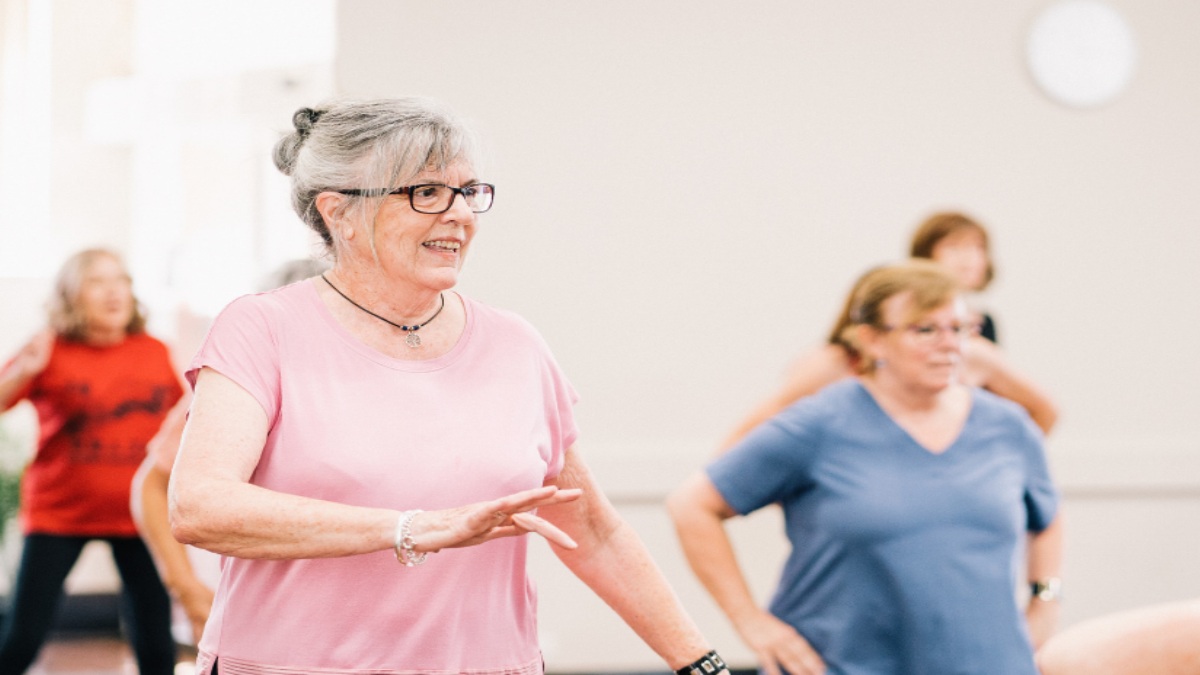
Women’s health after 40 is not about trying to stop ageing. Instead, it is about understanding your changing body, identifying potential health risks early and building habits that support long-term physical and emotional wellbeing.
Understand Hormonal Changes
One of the most significant changes women may experience during their 40s is hormonal fluctuation. Oestrogen and progesterone levels can become less predictable as the body approaches perimenopause, the transitional period before menopause.
Related Articles


Some women experience irregular periods, hot flashes, night sweats, mood changes, sleep difficulties or vaginal dryness. Others may experience only mild symptoms. Because symptoms can vary considerably, women should discuss persistent or disruptive changes with a healthcare professional rather than assuming they simply have to live with them.
Prioritise Strength and Physical Activity
Muscle mass and bone density can gradually decline with age, making regular physical activity particularly valuable after 40. Strength training can help maintain muscle strength and support healthy bones, while walking, cycling, swimming or other aerobic activities can benefit cardiovascular fitness.
A balanced exercise routine can include strength training, aerobic activity, flexibility exercises and activities that challenge balance. The goal does not have to be intense workouts every day. Consistency is more important than perfection.
Related Articles


Pay Attention to Nutrition
Nutritional needs can change with age. A balanced diet should provide adequate protein, fibre, vitamins, minerals and healthy fats. Vegetables, fruits, whole grains, legumes, nuts, seeds, dairy or suitable alternatives and lean protein sources can form the foundation of a nutritious eating pattern.
Calcium and vitamin D are particularly important for maintaining bone health, while sufficient protein can support muscle maintenance. Women should discuss supplements with a healthcare professional rather than taking high-dose products without guidance.
Protect Heart Health
Heart disease remains an important health concern for women. Risk factors such as high blood pressure, high cholesterol, diabetes, smoking, excess weight and physical inactivity can increase cardiovascular risk.
Regular blood pressure and cholesterol checks, a nutritious diet, physical activity, adequate sleep and avoiding tobacco can all contribute to better heart health. Women should also be aware that heart-related symptoms can sometimes differ from the classic symptoms commonly associated with men.
Stay Up to Date With Health Screenings
Preventive healthcare becomes increasingly valuable after 40. Depending on age, personal history and risk factors, women may need screenings for conditions such as breast cancer, cervical cancer, colorectal cancer, high blood pressure, diabetes and osteoporosis.
Screening recommendations vary between countries and individuals, so it is important to discuss an appropriate schedule with a doctor. Family history may also influence when certain tests should begin.
Don't Ignore Mental Health
Physical health is only one part of healthy ageing. Work responsibilities, relationships, caregiving, changing hormones and other life transitions can affect emotional wellbeing.
Persistent sadness, anxiety, irritability, loss of interest, overwhelming stress or ongoing sleep problems deserve attention. Speaking with a healthcare professional or mental health specialist can be an important step toward feeling better.
Make Sleep a Priority
Sleep problems can become more noticeable during the 40s, particularly around perimenopause. Hot flashes, stress, lifestyle habits and hormonal changes may interfere with sleep.
Maintaining a consistent sleep schedule, limiting caffeine later in the day, reducing screen exposure before bedtime and keeping the bedroom comfortable can help promote better sleep. Persistent insomnia or severe daytime fatigue should be discussed with a healthcare professional.
Listen to Your Body
Women should not dismiss new or persistent symptoms simply as signs of getting older. Unexplained weight changes, unusual bleeding, persistent pain, significant fatigue, changes in bowel or bladder habits, breast changes or other concerning symptoms should be evaluated by a qualified healthcare professional.
Ultimately, women’s health after 40 is about proactive care rather than fear of ageing. Regular medical check-ups, nutritious food, movement, strength training, good sleep, stress management and attention to hormonal and emotional health can help women remain active and confident throughout midlife and beyond.
Every woman’s health needs are different. The best approach is one that considers individual medical history, family history, lifestyle, symptoms and personal goals with guidance from trusted healthcare professionals when needed.




Comments 0