
Women’s health is more than disease. It is also about physical fitness, emotional health, reproductive health, proper nutrition, and preventive healthcare. For females at different stages of life teenage to adult life and pregnancy to motherhood and menopause, all have distinct health needs. Women can be healthier if they are educated about these new needs and adopt healthy habits to avoid many chronic diseases.

Why Women's Health Matters
Women experience hormonal and biological changes throughout life. These changes influence physical health, emotional wellness, fertility, bone strength, and cardiovascular health. Health care is a part of a healthy life, and early detection of health problems is very helpful and also contributes to overall well-being.
Investing now is more effective; mental health is better, productivity is better, and a healthier person is healthier, and so on.
Related Articles
Essential Nutrition for Women
A balanced diet is the cornerstone of good health. Women require a variety of nutrients to support hormonal balance, bone health, and immune function.
Key nutrients include:
- Iron to prevent anemia, especially during menstruation
- Calcium and Vitamin D for strong bones and osteoporosis prevention
- Protein for muscle maintenance and tissue repair
- Folic Acid for women planning pregnancy
- Omega-3 Fatty Acids to support heart and brain health
- Fiber for digestive wellness and blood sugar control
Include fruits, vegetables, whole grains, lean proteins, dairy products, nuts, seeds, and healthy fats in your daily meals while limiting processed foods, excess sugar, and unhealthy fats.
Related Articles

Physical Activity and Fitness
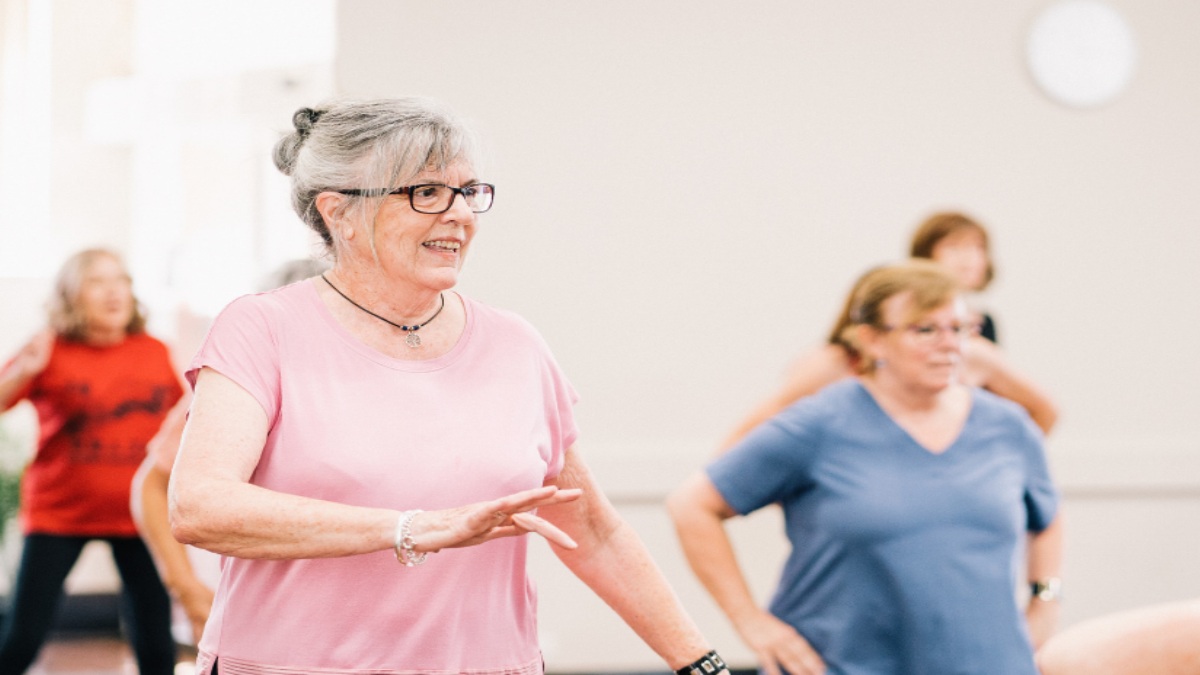
Exercise is a must for good health, as it is the only thing that can prevent obesity, diabetes, heart disease, and depression.
Experts suggest at least 150 minutes of moderate-intensity exercise per week, such as:
- Walking
- Cycling
- Swimming
- Yoga
- strength training, and dancing
Strength exercises are important in that they increase muscle mass and protect bone density as women age.
Mental and Emotional Wellness
Mental health is as important as physical health. Women are also at risk of stress from work, family responsibilities, hormonal changes, and life transitions.
Healthy ways to support mental well-being include:
- Practicing mindfulness or meditation
- Getting enough sleep
- Talking openly about emotions
- Maintaining supportive relationships
Never ignore persistent feelings of anxiety, sadness, or emotional exhaustion. Early support can make a big difference.
Reproductive Health
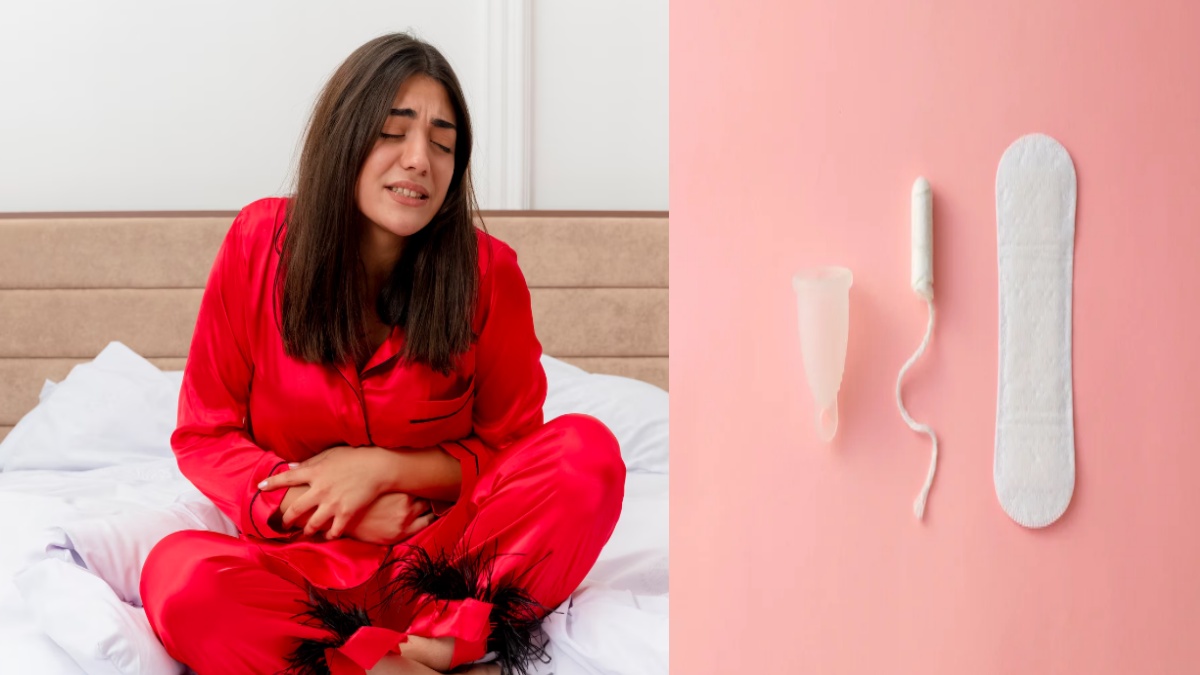
Reproductive health is essential to overall wellness. Women should know their menstrual cycle, fertility, contraception options, and pregnancy planning.
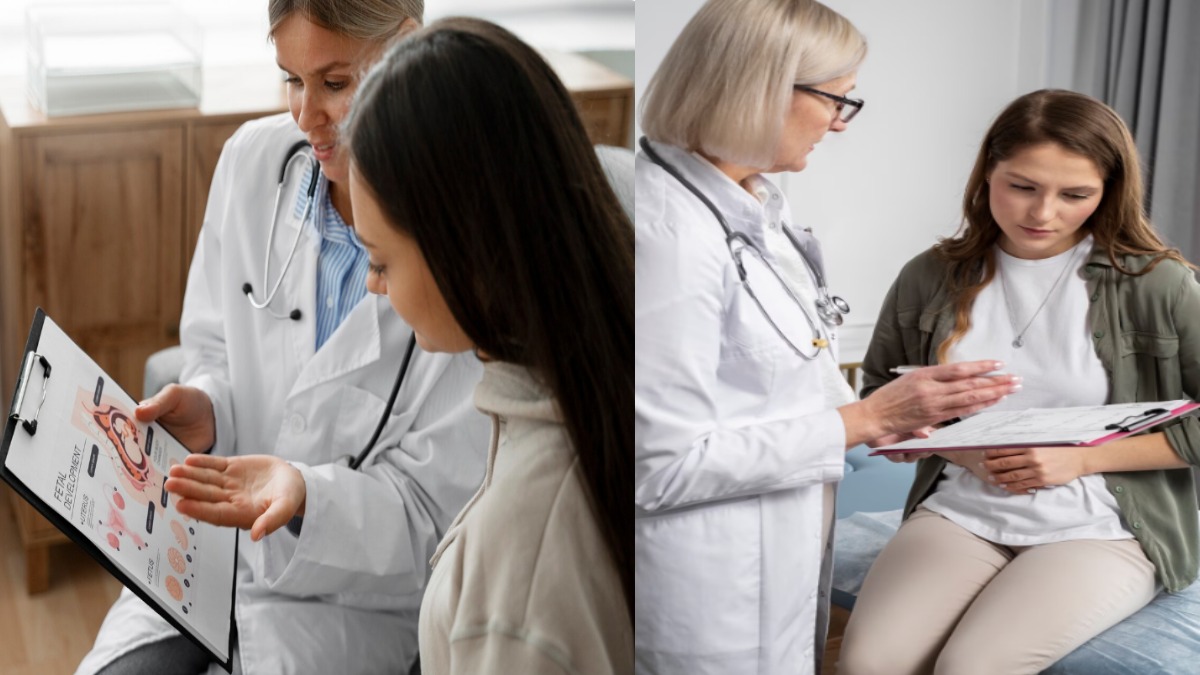
Regular gynecological checkups are useful for detecting conditions like:
- Polycystic Ovary Syndrome (PCOS)
- Endometriosis
- Uterine fibroids
- Cervical abnormalities
- Sexually transmitted infections (STIs)
Women planning pregnancy should consult with a healthcare provider for advice, begin folic acid supplementation if recommended, and adopt healthy lifestyle habits before conception.
Preventive Healthcare
Routine screenings and vaccinations are necessary for disease prevention and early detection.
Recommendations for preventive care may include:
- Blood pressure checks
- Blood sugar testing
- Cholesterol screening
- Breast examinations and mammograms (based on age and risk)
- Cervical cancer screening (Pap test/HPV testing, recommended)
- Bone density testing for women at appropriate ages or risk levels
The screening schedule that is best for your age and medical history should be discussed with your healthcare provider.
Common Health Concerns for Women
Women are more likely to experience or face unique health problems, such as:
- Iron-deficiency anemia
- Thyroid disorders
- Osteoporosis
- Breast and cervical cancers
- PCOS
- Menopause-related symptoms
- Depression and anxiety
- Heart disease
Learning to recognize symptoms early and seeking medical care is very important for early diagnosis, which can lead to better treatment outcomes.
Healthy Lifestyle Habits
Small daily habits are crucial to long-term health.
- Stay hydrated throughout the day
- Sleep 7–9 hours every night
- Avoid smoking and limit alcohol intake
- Maintain a healthy body weight
- Practice safe sex
- Manage stress through hobbies and relaxation techniques
- Schedule regular health checkups
- Spend time outdoors for physical activity and vitamin D exposure when appropriate
Women’s Health Across Every Life Stage
Women’s health needs change over time. Adolescents need education about nutrition, menstruation, and mental health. Adults benefit from preventive screenings and reproductive care. During pregnancy, regular prenatal care is crucial for maternal and fetal health. As women approach menopause, attention to bone health, heart health, and hormonal changes becomes increasingly important.
Listening to your body, staying informed, and building a strong relationship with healthcare professionals can help maintain lifelong wellness.
Women’s health is a lifelong journey that requires balanced nutrition, regular physical activity, mental wellness, preventive healthcare, and informed lifestyle choices. Every woman deserves access to quality healthcare, reliable health information, and the support needed to thrive at every stage of life. By prioritizing self-care and routine medical checkups, women can enjoy healthier, happier, and more fulfilling lives.




Comments 0