
Abdominal pain during pregnancy can be worrying, particularly for someone experiencing it for the first time. However, abdominal discomfort is relatively common during pregnancy because the body undergoes significant physical and hormonal changes. The uterus grows, ligaments stretch, digestion can change and the developing baby places increasing pressure on surrounding organs.
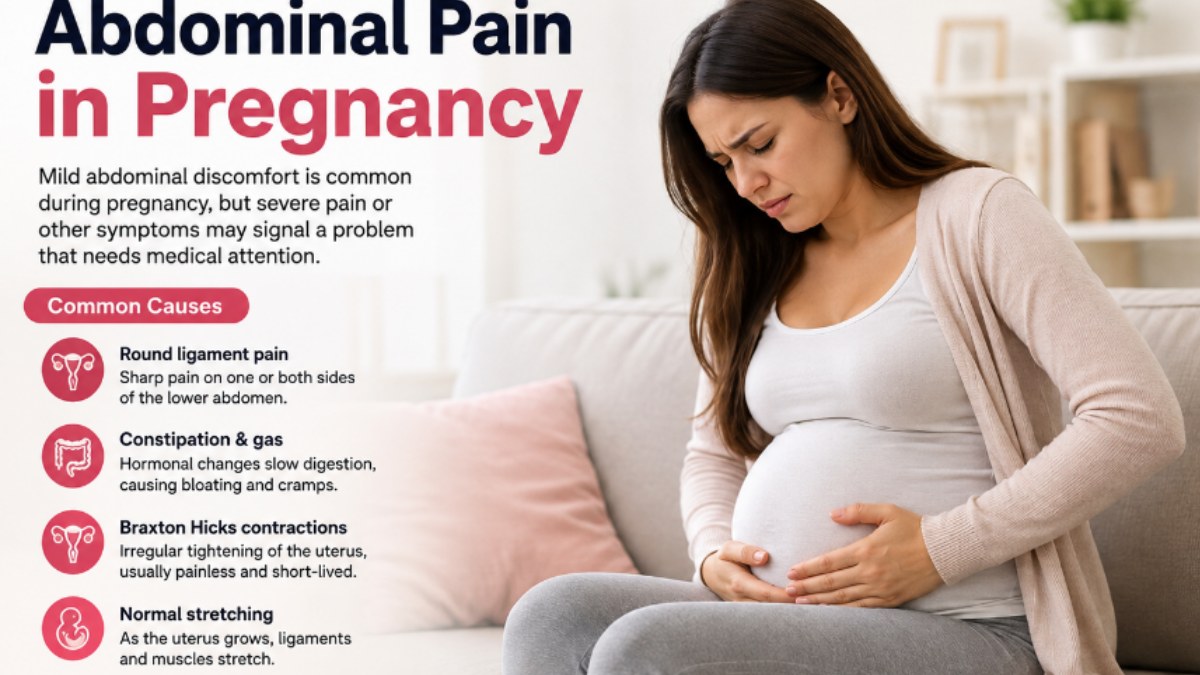
While some mild abdominal aches and cramps can be part of a normal pregnancy, pain should never be dismissed automatically. The location, severity, duration and accompanying symptoms all matter. Understanding possible causes can help expectant mothers recognise when discomfort may be harmless and when professional medical attention is needed.
Common Causes of Abdominal Pain During Pregnancy
One common cause of mild discomfort is the stretching of tissues and ligaments supporting the growing uterus. As pregnancy progresses, these structures experience increasing pressure. Round ligament pain, particularly during the second trimester, may cause brief, sharp or pulling sensations on one or both sides of the lower abdomen, sometimes after suddenly changing position, coughing or standing up.
Related Articles


Digestive changes can also contribute to abdominal discomfort. Pregnancy hormones can slow digestion, making constipation, bloating and gas more common. These issues can produce cramping or pressure that may sometimes feel similar to other types of abdominal pain.
As the uterus grows, pressure on surrounding organs can also increase. Later in pregnancy, the baby and expanding uterus may contribute to feelings of fullness, pressure or occasional discomfort.
Abdominal Pain in Early Pregnancy
During the first trimester, mild cramping can occur as the body adjusts to pregnancy. Some women may experience sensations similar to menstrual cramps.
Related Articles


However, abdominal pain during early pregnancy can sometimes indicate a condition requiring urgent assessment. Ectopic pregnancy, for example, occurs when a fertilised egg implants outside the uterus, most commonly in a fallopian tube. Symptoms can include abdominal or pelvic pain, vaginal bleeding, shoulder pain, dizziness or fainting.
Severe or worsening pain in early pregnancy, particularly when accompanied by bleeding, should therefore be evaluated promptly by a healthcare professional.
Pain During the Second and Third Trimesters
As pregnancy advances, stretching ligaments, constipation and pressure from the growing uterus may continue to cause discomfort. Occasional contractions can also occur later in pregnancy.
Braxton Hicks contractions, sometimes called practice contractions, can occur during the second or third trimester. They are generally irregular and may settle with rest or changes in activity. However, it can sometimes be difficult to distinguish normal contractions from signs of preterm labour.
Regular or increasingly painful contractions, pelvic pressure, lower back pain, vaginal bleeding or fluid leaking from the vagina can be warning signs that require medical assessment.
When Abdominal Pain May Be an Emergency
Pregnant women should seek urgent medical attention for severe, persistent or rapidly worsening abdominal pain. Other warning signs include heavy vaginal bleeding, fainting, severe dizziness, difficulty breathing, fever, persistent vomiting or significant weakness.
Pain accompanied by a severe headache, vision changes, sudden swelling or significant pain beneath the ribs, particularly later in pregnancy, should also be discussed urgently with a healthcare professional because these symptoms can sometimes occur with pregnancy complications.
A sudden change in the baby's usual movements later in pregnancy should also be reported promptly according to the advice provided by the maternity care team.
What Can Help With Mild Discomfort
When abdominal discomfort is mild and a healthcare professional has confirmed that there is no concerning cause, simple measures may sometimes provide relief. Resting, changing position slowly and staying adequately hydrated can be helpful.
For constipation-related discomfort, adequate fluid intake, regular physical activity when medically appropriate and fibre-rich foods may support healthy bowel function. Pregnant women should speak with their healthcare provider before taking medications or supplements for abdominal pain, constipation or other symptoms.
It is also important not to self-diagnose persistent pain. Pregnancy changes can make it difficult to determine the exact source of abdominal discomfort without an examination.
Paying Attention to the Pattern of Pain
When discussing abdominal pain with a doctor, details about the symptoms can be useful. Consider when the pain started, where it is located, whether it is constant or intermittent and whether it becomes stronger with movement.
It is also helpful to mention other symptoms, including bleeding, unusual vaginal discharge, fever, vomiting, urinary symptoms, contractions or changes in fetal movement.
Keeping track of these details can help a healthcare professional determine whether further examination or testing is necessary.
Every Pregnancy Is Different
There is no single pattern of abdominal discomfort that applies to every pregnancy. Some women may experience occasional mild cramps, while others may notice more ligament or digestive discomfort. The absence of pain does not indicate a problem either.
The safest approach is to become familiar with the warning signs and maintain regular prenatal appointments. Pregnant women should feel comfortable contacting their maternity care team whenever they are uncertain about a symptom.
Abdominal pain in pregnancy can have many causes, ranging from normal physical changes and digestive problems to conditions requiring urgent treatment. Mild, short-lived discomfort may be harmless, but severe, persistent or unusual pain should not be ignored.
If abdominal pain is accompanied by bleeding, fainting, severe dizziness, fever, fluid leakage, regular painful contractions or other concerning symptoms, seek medical advice promptly. When it comes to pregnancy, it is always better to have a concerning symptom assessed than to assume it is normal.
This article is for general information and does not replace personalised medical advice from an obstetrician, midwife or other qualified healthcare professional.



Comments 0