
Pregnancy brings many changes to the body, and the skin can change too. Some women experience the familiar pregnancy glow, while others may suddenly develop pimples, blackheads or painful breakouts. Acne during pregnancy is common and is often linked to hormonal changes, but that does not mean expectant mothers have to simply ignore it.
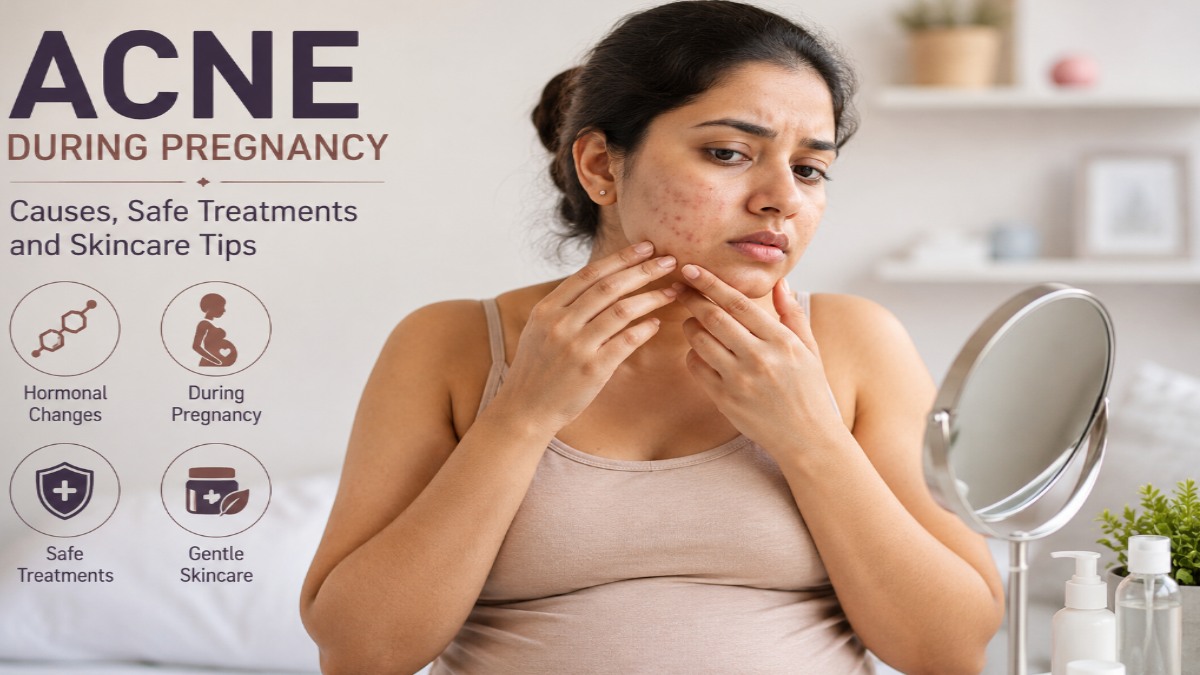
Pregnancy acne can be frustrating, particularly for women who did not previously struggle with breakouts. The good news is that a gentle skincare routine and appropriate medical guidance can help manage symptoms while protecting both mother and baby.
Why Does Acne Occur During Pregnancy
Hormonal fluctuations are one of the major reasons acne can appear or become worse during pregnancy. Increased levels of certain hormones can stimulate the skin's sebaceous glands, causing them to produce more sebum, or oil.
Related Articles

Excess oil can combine with dead skin cells and contribute to clogged pores. When pores become blocked and inflammation develops, pimples and other acne lesions may appear.
Pregnancy-related acne can occur on the face, particularly around the chin and jawline, but breakouts may also affect the chest, shoulders or back.
Should You Treat Pregnancy Acne
There is no need to feel embarrassed about pregnancy acne. It is a common skin concern, and hormonal changes can make it difficult to prevent completely.
Related Articles

However, treatment may be worthwhile if breakouts are painful, persistent or leaving marks. The important consideration during pregnancy is choosing treatments carefully.
Because some acne medications can be harmful during pregnancy, it is best to discuss active treatments with your obstetrician, dermatologist or another qualified healthcare professional before using them.
Start With a Gentle Cleansing Routine
A simple routine is often a good starting point. Wash your face gently, generally no more than twice a day and after heavy sweating.
Choose a mild cleanser that does not leave the skin feeling extremely tight or stripped. Avoid aggressive scrubbing, rough exfoliating tools and picking at pimples.
Scratching or squeezing acne can increase inflammation and raise the risk of temporary marks or scarring.
Be Careful With Acne Ingredients
Not every acne treatment available over the counter is automatically appropriate during pregnancy.
Topical retinoids, including ingredients such as tretinoin, adapalene and tazarotene, are generally avoided during pregnancy. Oral isotretinoin is also strongly contraindicated because of its well-established risk of serious birth defects.
Other acne ingredients may have different safety considerations depending on the formulation, concentration and individual circumstances. Ingredients such as azelaic acid are commonly considered an option during pregnancy, while limited topical use of certain other agents may be recommended by a healthcare professional.
Because individual circumstances vary, pregnant women should check with their healthcare provider before starting or continuing an acne medication.
Moisturise Even If Your Skin Is Oily
It may seem counterintuitive to apply moisturiser when acne is present, but skipping moisturiser can leave the skin dry and irritated, particularly if you are using acne treatments.
Choose a lightweight, non-comedogenic moisturiser that feels comfortable on your skin. A healthy skin barrier can help reduce dryness and sensitivity.
Don't Forget Sunscreen
Sun protection remains important during pregnancy. Hormonal changes can make some women more prone to pigmentation, including dark patches known as melasma.
Using a broad-spectrum sunscreen during the daytime can help protect the skin from ultraviolet radiation. Choose a formulation that suits your skin and does not cause additional irritation or breakouts.
Avoid Harsh Home Remedies
Pregnancy can make people more cautious about medication, leading some to try kitchen-based or highly concentrated remedies.
Lemon juice, baking soda, undiluted essential oils and abrasive scrubs can irritate the skin and potentially worsen inflammation. "Natural" does not automatically mean safe or effective during pregnancy.
A simple routine using products with established safety profiles is generally preferable to experimenting with harsh DIY treatments.
Lifestyle Habits May Also Help
Skincare is only one part of managing acne. Try to maintain a balanced diet, stay adequately hydrated and get sufficient rest whenever possible.
Keep pillowcases, towels and makeup tools clean, and avoid repeatedly touching your face. If you wear makeup, choose products labelled non-comedogenic when possible and remove makeup before sleeping.
These habits may support overall skin health, although they cannot completely prevent hormonally driven pregnancy acne.
When Should You See a Dermatologist
Consult a dermatologist or healthcare professional if acne is severe, painful, rapidly worsening or causing significant emotional distress.
Medical advice is particularly important before using prescription acne medications during pregnancy. A dermatologist can recommend an appropriate treatment plan that takes pregnancy into account.
After delivery, hormonal levels change again, and acne may improve for some women. Others may continue to experience breakouts and can discuss additional treatment options with their healthcare provider, particularly if they are breastfeeding.
Acne during pregnancy is often a temporary consequence of hormonal changes rather than a sign that something is wrong with the pregnancy. The safest approach is to keep skincare gentle, avoid picking at breakouts and check the safety of acne medications with a healthcare professional.
Most importantly, pregnancy acne does not take away from the beauty of this special stage of life. With patience, appropriate care and professional guidance when necessary, expectant mothers can look after their changing skin while prioritising their health and their baby's well-being.



Comments 0