
Labour can be a very physical and challenging job, and finding a comfortable position for many pregnant women can make a significant difference. Instead of sticking to the same position during labour, it is better to shift posture and move when possible to feel more settled, which will help the mother feel more in charge and also to feel more confident.
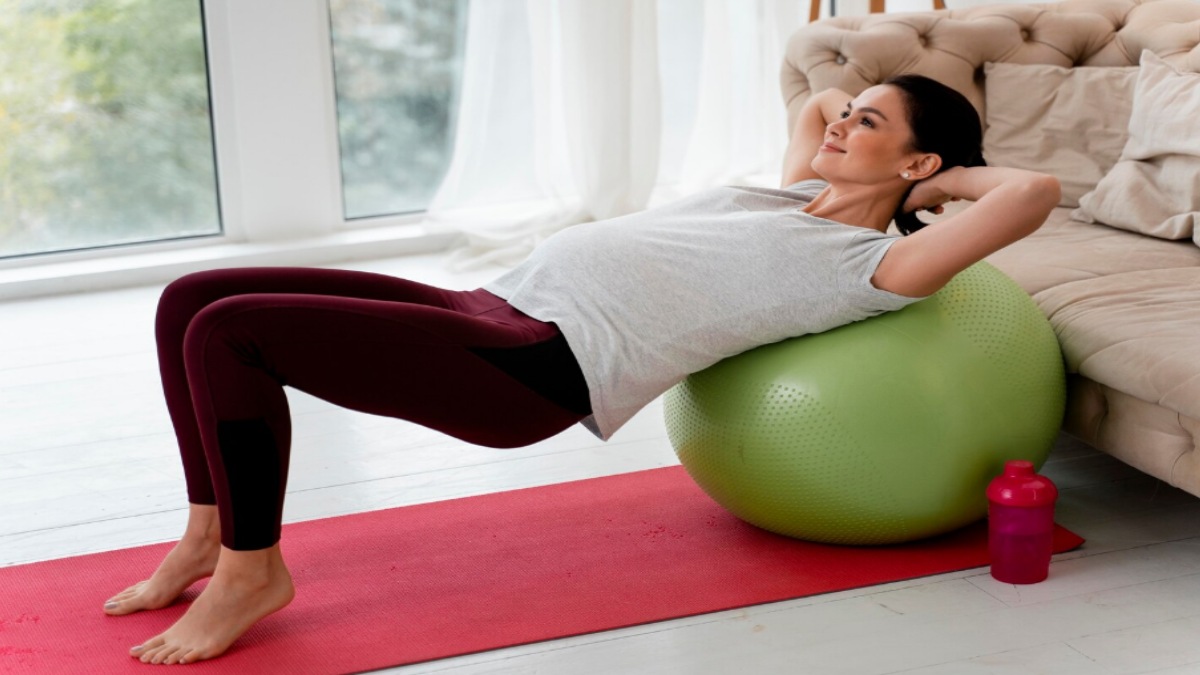
The best position to be in will depend on the labour stage and the baby’s position, the medical situation, pain relief options and the maternity team.Active labour positions generally promote movement, upright stance, pelvic mobility, and relaxation. Uncomplicated pregnancies can encourage women to move around during labour if the healthcare team feels safe. But women with certain pregnancy or labour complications may have specific restrictions.
Walking and staying upright
Walking is one of the simplest ways to remain active during early and active labour when it is medically appropriate. Walking and standing allows gravity to work naturally and for some women it may be more effective at controlling contractions.
Related Articles

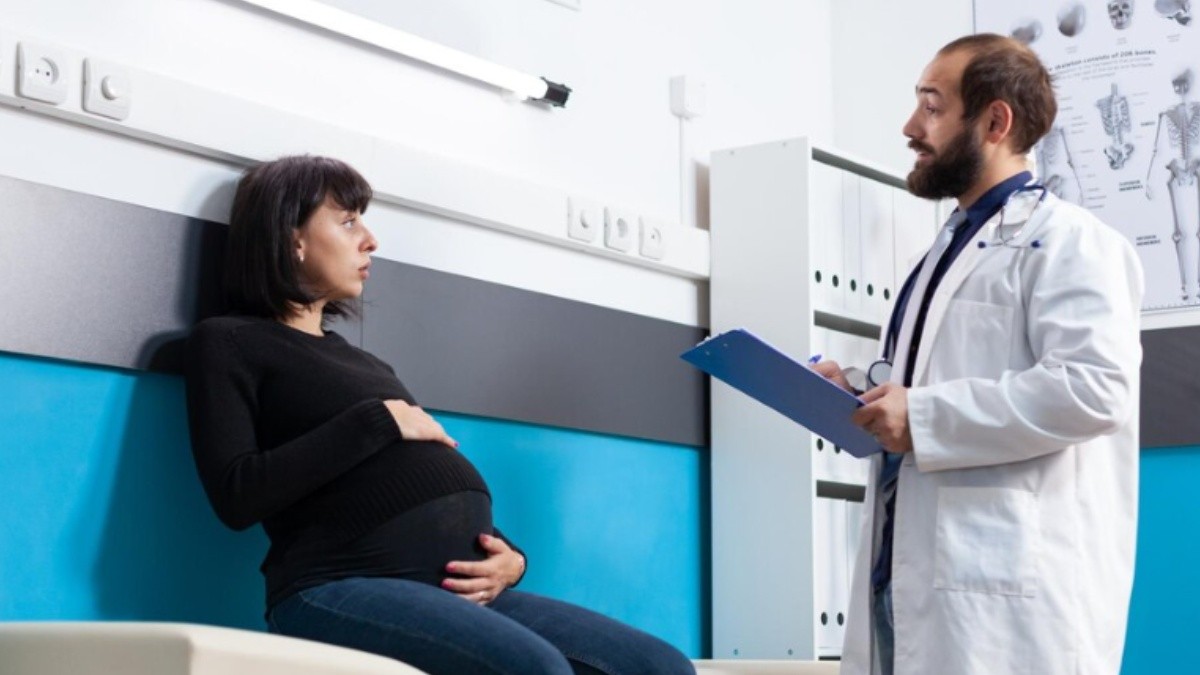
Pregnant women can move around the room, change direction or take slow steps around the room with a partner, bed, wall or other stable surface. Some women find that gentle movement encourages them to concentrate on breathing, rather than simply stand still during contractions.
If an epidural or continuous monitoring is being used, movement may be more limited. The healthcare team can explain which options are safe.
Standing and leaning forward
Standing while leaning over a bed, chair, birth ball or partner can support the body and keep the body upright. This position might be particularly helpful when contractions become stronger.
Related Articles
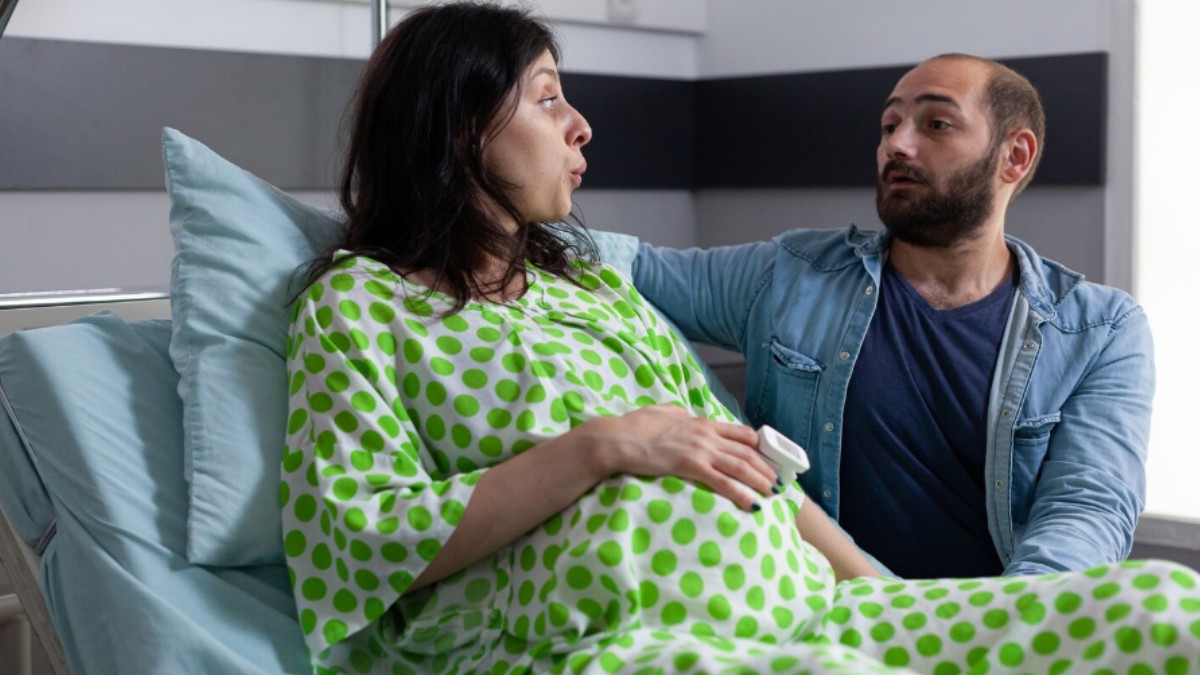

Leaning forward will give the woman a chance to relax her shoulders and arms and not to have tension in her upper body. A partner may support her, whether it's a shoulder or a stable surface to lean on.
Changing the position of the pelvis while standing may also help a woman discover which posture feels most comfortable.
Sitting on a birth ball
A properly sized birth ball can allow gentle movement while providing support during labour. For some women sitting upright on the ball and making small circular or side-to-side movements may feel comfortable.
A birth ball should be situated on a stable surface and ideally one or more other people should be nearby for support. Pregnant women should use a ball that is suitable for their height and designed for exercise or birth support.
The aim is not to force the baby into a particular position but to provide another comfortable way to remain mobile.
Hands-and-knees position
The hands-and-knees position involves supporting the body on the hands and knees. Women who experience back pain during labour may find this position helpful.
Gentle rocking can be added if it feels comfortable. A woman can also place her upper body on a birth ball or pillows while remaining on her knees.
This position can relieve pressure on certain parts of the body and give the mother another option when lying on her back feels uncomfortable.
Kneeling and supported kneeling
Kneeling can be performed on a padded surface with the upper body supported against a bed, chair, birth ball or partner. It can be a comfortable alternative to standing when the mother wants to remain upright but needs to rest her legs.
Some women can alternate between kneeling and standing during labour. The ability to move from one position to another is particularly useful because comfort changes from one contraction to the next.
Side-lying position
As much as active labour tends to be oriented towards standing up, side-lying can be an excellent resting position. This is especially helpful when a woman is tired or has received an epidural.
The mother can lie on her side with pillows supporting her legs, abdomen or back. Side-lying may allow her to conserve energy while remaining comfortable.
The maternity team can help determine the most appropriate position depending on fetal monitoring, maternal blood pressure, pain relief and other clinical factors.
Squatting with support
Supported squatting can help the pelvis open and allow the mother to use gravity. A woman can squat while holding onto a partner, a sturdy bar, or other appropriate support.
Squatting may be physically demanding, particularly during a long labour, so it is often helpful to use it for shorter periods and alternate it with positions that allow rest.
The position should always be performed safely, especially when the mother is experiencing strong contractions or has received medication that affects balance or sensation.
Why changing positions can help
Changing positions during labour can provide several potential benefits. Movement may help reduce discomfort, prevent fatigue from staying in one posture, and encourage the mother to feel more actively involved in the birth process.
Different positions also distribute pressure differently across the pelvis, back, hips, and legs. What feels comfortable during early labour may not feel comfortable later.
The most important principle is therefore flexibility rather than finding one perfect position.
Work with your birth team
Every labour is different. A position that is comfortable for one woman may not be suitable for another. Medical conditions, fetal position, induction of labour, epidural anaesthesia, continuous fetal monitoring, bleeding, high blood pressure, or other complications can affect which movements are recommended.
Pregnant women should discuss labour positions with their obstetrician, midwife or other qualified maternity professionals before birth. The healthcare team can suggest safe alternatives during labour depending on the circumstances at that time.
Preparing before labour
Learning about labour positions before the due date may help with experimentation with movement when labour starts. Pregnant women can communicate their preferences with their partner and include desired positions in the birth plan while remaining open to change.
Practising comfortable postures during pregnancy can also help women become familiar with using pillows, a birth ball, chairs, and other forms of support.
Ultimately, there is no single “correct” labour position. Walking, standing, leaning, kneeling, hands-and-knees, sitting, squatting, and side-lying can all have a place depending on the individual situation.
The goal is to help the mother remain as comfortable, relaxed, and safe as possible while supporting the progress of labour. Listening to the body, changing positions when needed, conserving energy, and following the guidance of the maternity team can help make the labour experience more manageable.
Labour and birth can change quickly. Pregnant women should follow the advice of their obstetrician or midwife, particularly if they have a high-risk pregnancy, complications, an epidural, or have been advised to limit movement.



Comments 0