
For many people, coffee, tea or another caffeinated drink is part of their daily routine. But pregnancy and breastfeeding can make mothers more careful about what they consume. One common question is: Can you have caffeine during pregnancy and breastfeeding, and how much is safe.
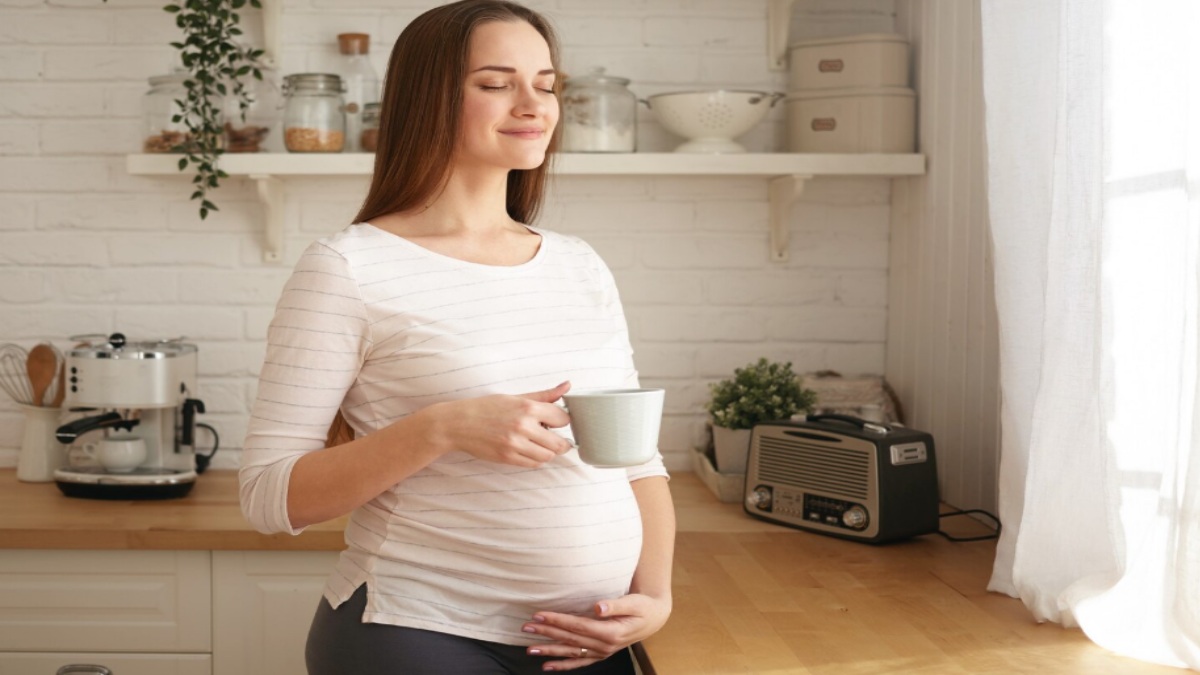
The good news is that most pregnant and breastfeeding women do not necessarily have to eliminate caffeine completely. However, health experts recommend keeping intake within recommended limits because caffeine crosses the placenta during pregnancy and small amounts can also pass into breast milk.
How Much Caffeine Is Safe During Pregnancy
The American College of Obstetricians and Gynecologists (ACOG) considers moderate caffeine consumption less than 200 milligrams (mg) per day to be generally safe during pregnancy.
Related Articles
This does not mean that every cup of coffee contains the same amount of caffeine. The amount can vary considerably depending on the type of coffee, serving size, preparation method and brand.
Caffeine can also be found in:
- Coffee and espresso
- Black, green and some other teas
- Energy drinks
- Cola and other caffeinated soft drinks
- Chocolate and cocoa products
- Some medications and supplements
Because caffeine can come from multiple sources, it is useful to consider your total daily intake rather than simply counting cups of coffee.
Related Articles


Why Limit Caffeine During Pregnancy
During pregnancy, caffeine crosses the placenta and reaches the developing baby. The fetus processes caffeine more slowly than an adult, particularly during later stages of pregnancy.
Research has associated higher caffeine consumption during pregnancy with an increased risk of certain adverse pregnancy outcomes, including lower birth weight. Because evidence about the effects of different amounts can vary, limiting caffeine is a sensible precaution.
Keeping consumption below the recommended limit can allow many women to continue enjoying their favorite caffeinated beverages without excessive intake.
Does Caffeine Affect Pregnancy Symptoms
Pregnancy itself can cause symptoms such as insomnia, heartburn, nausea, anxiety and a faster heartbeat. Caffeine may make some of these symptoms worse.
For example, drinking coffee later in the day may interfere with sleep. Caffeine can also contribute to feelings of jitteriness or worsen heartburn in people who are sensitive to it.
If caffeine seems to aggravate pregnancy symptoms, reducing intake further may be helpful.
What About Caffeine During Breastfeeding
Caffeine can pass into breast milk, but generally only a small amount reaches the baby. Most breastfeeding mothers can consume moderate amounts of caffeine without causing problems.
The Centers for Disease Control and Prevention notes that low to moderate caffeine consumption around 300 mg per day or less usually does not adversely affect most breastfed infants.
However, babies vary in their sensitivity to caffeine. Newborns and premature infants may process caffeine more slowly, which can make them more susceptible to its effects.
Can Caffeine Make a Breastfed Baby Fussy
Some babies may become more sensitive when their breastfeeding parent consumes larger amounts of caffeine. Possible signs can include unusual fussiness, irritability, difficulty settling or sleeping.
If you notice a consistent pattern between your caffeine consumption and changes in your baby's behavior, consider reducing your intake and discussing the situation with your pediatrician or healthcare provider.
It is important not to assume that every episode of fussiness is caused by caffeine because babies can become unsettled for many different reasons.
Should You Stop Coffee Completely
For most mothers, completely eliminating coffee is not necessary unless advised by their healthcare professional.
If you want to reduce caffeine, try making gradual changes. You could switch one regular coffee to decaffeinated coffee, choose a smaller serving, dilute coffee with milk or choose a lower-caffeine tea.
Decaffeinated beverages are another option, although they may still contain small amounts of caffeine.
Watch Out for Energy Drinks
Energy drinks can contain substantial amounts of caffeine and may also contain other stimulants or ingredients. They are generally not a good choice during pregnancy, and breastfeeding mothers should also be cautious.
Instead of relying on energy drinks to combat tiredness, focus on adequate rest, hydration and nutritious meals whenever possible.
Tips for Managing Caffeine Intake
Keeping track of caffeine does not have to be complicated. A few practical strategies include:
- Check serving sizes and caffeine amounts on product labels
- Remember that tea, chocolate and soft drinks can contribute to daily intake
- Avoid caffeine close to bedtime if it affects your sleep
- Choose decaffeinated coffee or tea when appropriate
- Reduce caffeine gradually if you experience withdrawal headaches
- Drink plenty of water throughout the day
- Ask your healthcare provider about caffeine if you have specific pregnancy or breastfeeding concerns
Caffeine does not necessarily have to disappear from your diet during pregnancy or breastfeeding. During pregnancy, keeping caffeine below 200 mg per day is generally recommended. During breastfeeding, moderate consumption is usually considered compatible with breastfeeding, although individual babies may respond differently.
Because caffeine content varies widely between beverages, paying attention to serving sizes and labels is important. If you have a high-risk pregnancy, your baby was born prematurely, or you notice unusual symptoms in your infant, speak with your doctor, obstetrician, midwife or pediatrician for individualized advice.
A balanced diet, adequate hydration and appropriate medical care remain the most important parts of supporting your health and your baby's well-being during pregnancy and breastfeeding.


Comments 0