
Cervical screening is an important part of women's healthcare, but pregnancy can raise questions about whether a screening test is necessary or safe. Many women may wonder whether a Pap test or HPV-related screening should be postponed until after delivery. The answer depends on a person's age, screening history, symptoms and local screening guidelines.
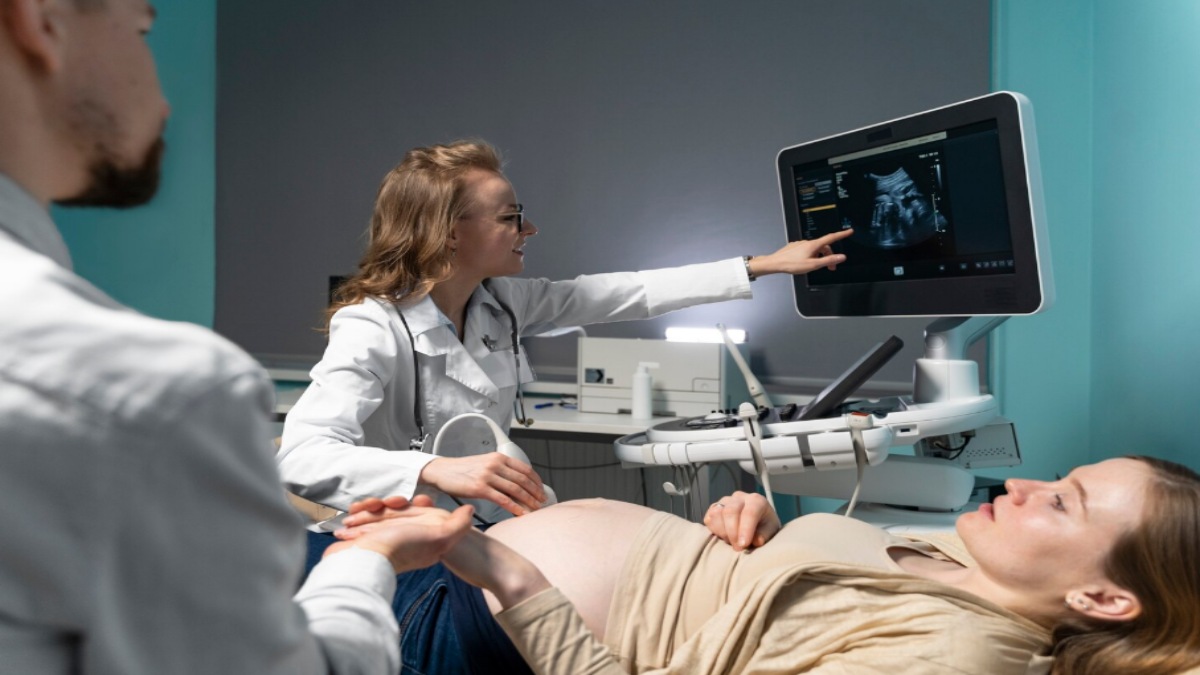
Cervical screening is primarily designed to identify human papillomavirus (HPV) or abnormal changes in cervical cells that could potentially develop into cervical cancer. Pregnancy itself does not cause cervical cancer, but pregnancy may sometimes coincide with a woman's routine screening schedule or the need to follow up on a previous abnormal result.
What Is Cervical Screening
Cervical screening checks for high-risk HPV and/or abnormal cells on the cervix, depending on the screening programme and test used. HPV is a common infection, and most infections clear naturally. However, persistent infection with certain high-risk HPV types can cause changes in cervical cells over time.
Related Articles


Screening is different from a diagnostic test. It is generally performed in people without symptoms to identify potential problems early. If a woman has symptoms such as unusual vaginal bleeding, pelvic pain or an abnormal discharge, her healthcare provider may recommend an appropriate diagnostic evaluation rather than relying only on routine screening.
Is Cervical Screening Safe During Pregnancy
When cervical screening is clinically indicated during pregnancy, it can generally be performed safely by a trained healthcare professional. A small sample of cells is collected from the cervix using a specialised brush.
Because the cervix can be more sensitive and have increased blood flow during pregnancy, some women may experience light spotting after the procedure. This does not necessarily indicate a problem, but pregnant women should report significant bleeding, severe pain or other concerning symptoms to their maternity care provider.
Related Articles


The exact approach can vary depending on national guidelines and individual circumstances. Therefore, pregnant women should discuss the timing of screening with their obstetrician, gynaecologist, midwife or other qualified healthcare professional.
What If You Have Had an Abnormal Result Before Pregnancy
A previous abnormal cervical screening result does not necessarily mean that a woman has cervical cancer. Abnormal results can reflect HPV infection or changes in cervical cells that require monitoring.
If a woman becomes pregnant after receiving an abnormal result, she should inform her healthcare provider. In some cases, follow-up may be recommended during pregnancy. In other situations, certain procedures can safely be delayed until after childbirth.
The appropriate decision depends on the type and severity of the abnormality, previous test results and clinical assessment.
What Happens During the Test
During cervical screening, the woman usually lies on an examination table while a healthcare professional gently inserts a speculum into the vagina to view the cervix. A small brush is then used to collect cervical cells.
The procedure is generally brief. Some women experience mild discomfort or pressure, while others may find the examination uncomfortable. Communicating with the healthcare professional throughout the procedure can help, particularly if the patient is anxious or experiencing discomfort.
Why Follow-Up Matters
If screening identifies HPV or abnormal cervical cells, follow-up is important. Ignoring an abnormal result because of pregnancy can delay appropriate care.
Importantly, an abnormal screening result is not the same as a cancer diagnosis. Depending on the result, healthcare professionals may recommend repeat testing, monitoring or a closer examination of the cervix. Some procedures may be performed during pregnancy when medically necessary, while others may be postponed until after delivery.
Should Routine Screening Be Delayed
There is no single answer for every pregnant woman. Screening recommendations vary according to age, previous screening history, test results and the guidelines used in the country where the patient receives care.
Women who are already due for routine screening should tell their pregnancy care provider. The clinician can determine whether testing should take place during pregnancy or whether it is appropriate to schedule it after delivery.
Women who have symptoms should not assume that screening can simply wait until after childbirth. Symptoms require individual medical assessment.
Maintaining Cervical Health
Cervical screening is only one part of protecting cervical health. HPV vaccination, where appropriate, can reduce the risk of infection with HPV types associated with cervical cancer. Practising safer sex can also reduce the risk of acquiring HPV and other sexually transmitted infections.
Keeping up with recommended screening appointments is important even when you feel healthy because cervical cell changes may occur without obvious symptoms.
Cervical screening during pregnancy can be an important part of appropriate medical care when it is indicated. Pregnancy does not automatically mean that cervical health concerns should be ignored or that every screening test must be postponed.
If you are pregnant and due for cervical screening, have previously received an abnormal result or have symptoms such as unusual bleeding, speak with your healthcare provider. They can assess your individual situation and recommend the safest and most appropriate timing for testing and follow-up.



Comments 0