
Chickenpox during pregnancy requires prompt medical attention because infection with the varicella-zoster virus can sometimes cause complications for the mother and, depending on the stage of pregnancy, the developing baby. Although many women who develop chickenpox recover without serious problems, pregnancy can increase the risk of severe illness, particularly pneumonia.
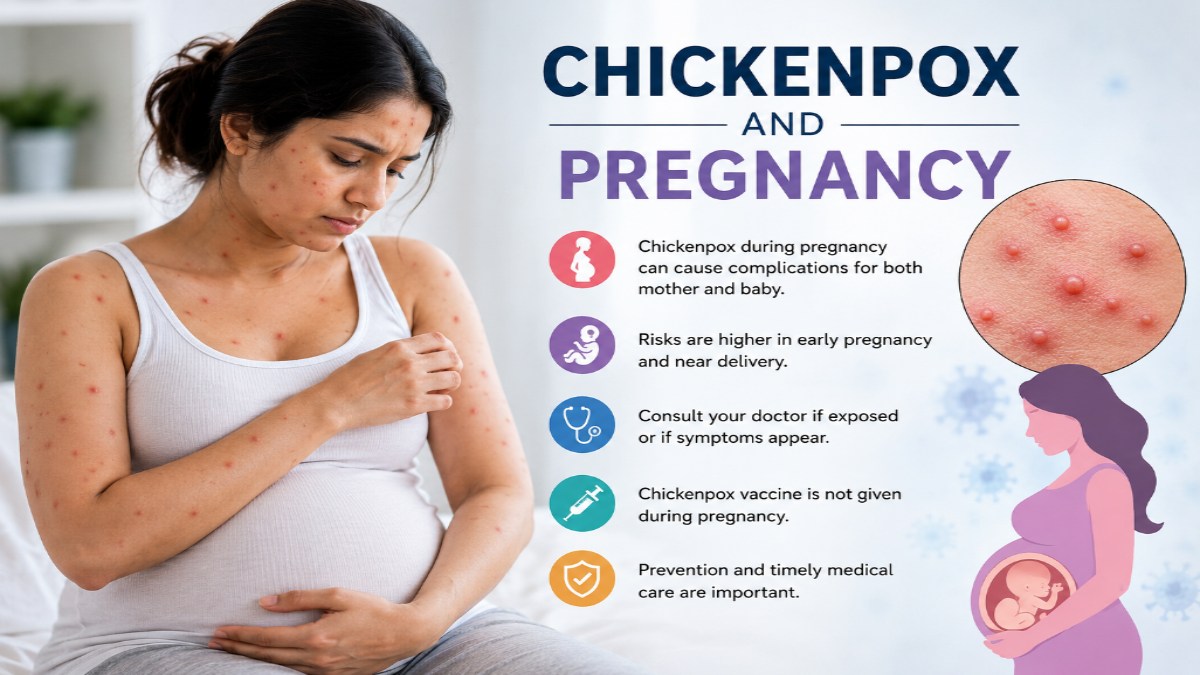
Chickenpox is a highly contagious infection caused by the varicella-zoster virus. It commonly produces an itchy, blister-like rash and other flu-like symptoms. Most people who have previously had chickenpox or received the recommended vaccination develop immunity, but women who are not immune should take particular care to avoid exposure during pregnancy.
What Are the Symptoms of Chickenpox
Chickenpox often begins with symptoms such as fever, tiredness, headache, body aches and reduced appetite. A characteristic itchy rash usually develops afterward.
Related Articles
The rash can progress through several stages. Small red spots may become fluid-filled blisters before drying and forming scabs. New spots can continue to appear for several days, so different stages of the rash may be visible at the same time.
If a pregnant woman develops a new rash after possible exposure to chickenpox, she should contact her doctor or maternity care provider promptly rather than waiting for the symptoms to become severe.
Why Is Chickenpox a Concern During Pregnancy
Pregnancy can increase the risk of complications from chickenpox. One of the more serious complications is varicella pneumonia, which can cause breathing difficulties and may require hospital treatment.
Related Articles

The potential effect on the baby also depends partly on when the infection occurs. Chickenpox infection during early or middle pregnancy has a small risk of causing congenital varicella syndrome, a rare condition that can affect the baby's skin, limbs, eyes, nervous system and development.
The overall risk is low, but because the consequences can be serious, medical assessment is important.
What Happens If Chickenpox Occurs Near Delivery
Chickenpox close to the time of delivery can pose a particular concern for a newborn. If the mother develops chickenpox shortly before or after giving birth, the baby may be exposed to the virus around delivery.
Newborn babies can sometimes develop severe varicella infection because their immune systems are still developing.
Doctors may therefore closely monitor the mother and baby and may recommend specific preventive treatment for the newborn when appropriate.
What Should You Do After Exposure
If you are pregnant and have been exposed to someone with chickenpox or shingles, contact your healthcare provider as soon as possible, especially if you are unsure whether you have previously had chickenpox or received vaccination.
Your doctor can assess your immunity and determine whether preventive treatment is appropriate.
Do not wait for a rash to appear before seeking advice. Some preventive treatments are most useful when given promptly after exposure.
Can Chickenpox Be Treated During Pregnancy
If chickenpox develops during pregnancy, treatment should be guided by a healthcare professional.
Antiviral medication such as acyclovir may be considered in some pregnant women, particularly when treatment is started early or when there is an increased risk of complications. The decision depends on factors such as the severity of the illness and how long symptoms have been present.
Pregnant women should not self-medicate. Even commonly available medicines should be checked with a doctor or pharmacist before use during pregnancy.
For fever or discomfort, a healthcare professional can recommend an appropriate medication and dosage.
Avoid Scratching the Rash
Chickenpox blisters can be intensely itchy. Scratching can damage the skin and increase the risk of bacterial infection and scarring.
Keeping fingernails short, wearing loose clothing and using healthcare-approved measures to relieve itching can help. Your doctor can advise which treatments are appropriate during pregnancy.
Staying hydrated and getting adequate rest are also important while recovering.
Can You Get the Chickenpox Vaccine During Pregnancy
The chickenpox vaccine is a live vaccine and is not routinely given during pregnancy. Women who are not immune are generally advised to receive vaccination before becoming pregnant.
If a woman discovers she is pregnant after receiving a chickenpox vaccine, she should not panic. She should inform her healthcare provider so that appropriate advice and follow-up can be provided.
Women who are not immune can discuss vaccination with their healthcare provider after pregnancy. When appropriate, vaccination can help protect against future chickenpox infection.
How Can Pregnant Women Prevent Chickenpox
Prevention is especially important for women who know they are not immune.
Helpful steps include:
- Avoid close contact with people who have chickenpox
- Tell your healthcare provider if you have been exposed
- Find out your immunity status before pregnancy when possible
- Discuss vaccination before becoming pregnant if you are not immune
- Avoid sharing personal items with someone who has an active infection
- Follow medical advice promptly after a significant exposure
People with chickenpox are contagious from shortly before the rash appears until the blisters have crusted over.
Chickenpox and Breastfeeding
If a mother develops chickenpox after delivery, breastfeeding may still be possible in many circumstances. However, precautions may be necessary to reduce the baby's risk of exposure, particularly if lesions are close to the breast or the baby is very young.
Because newborns can be vulnerable to severe infection, mothers with chickenpox should speak with their pediatrician and healthcare provider about breastfeeding and infection-control measures.
When Should You Seek Urgent Medical Help
Pregnant women with suspected chickenpox should contact their healthcare provider promptly. Immediate medical attention is particularly important if symptoms include difficulty breathing, chest pain, severe weakness, confusion, persistent high fever, severe headache or rapidly worsening illness.
A healthcare professional can determine whether the symptoms represent chickenpox and whether antiviral treatment or additional monitoring is necessary.
Chickenpox and pregnancy require careful attention, but developing the infection does not automatically mean that a serious complication will occur. Many women recover well with appropriate medical care.
The important steps are to establish immunity when possible, avoid exposure, seek prompt medical advice after contact with chickenpox and contact a healthcare professional quickly if symptoms or a rash develop.
Because the risks and treatment decisions can vary depending on the stage of pregnancy and individual health circumstances, pregnant women should always follow advice from their obstetrician, midwife or doctor rather than attempting to manage suspected chickenpox alone.

Comments 0