
Pregnancy is described as an exciting and joyous moment but it also can bring significant physical, emotional and psychological changes. Changing hormones, childbirth anxiety, changing relationships, financial problems and anxiety about becoming a parent can affect emotion. These are some of the reasons female pregnancy can be difficult for the woman, but antenatal or prenatal depression is often associated with pregnancy.

Depression in pregnancy is not a sign of weakness or a failure to enjoy pregnancy but rather it is a medical condition. Awareness of the signs and symptoms and seeking help will help the pregnant woman and the developing baby to be well.
What is depression during pregnancy
Depression during pregnancy is not so much sadness or mood changes. It is more than that -- it’s sadness, hopelessness or emptiness that affects your daily life.
Related Articles

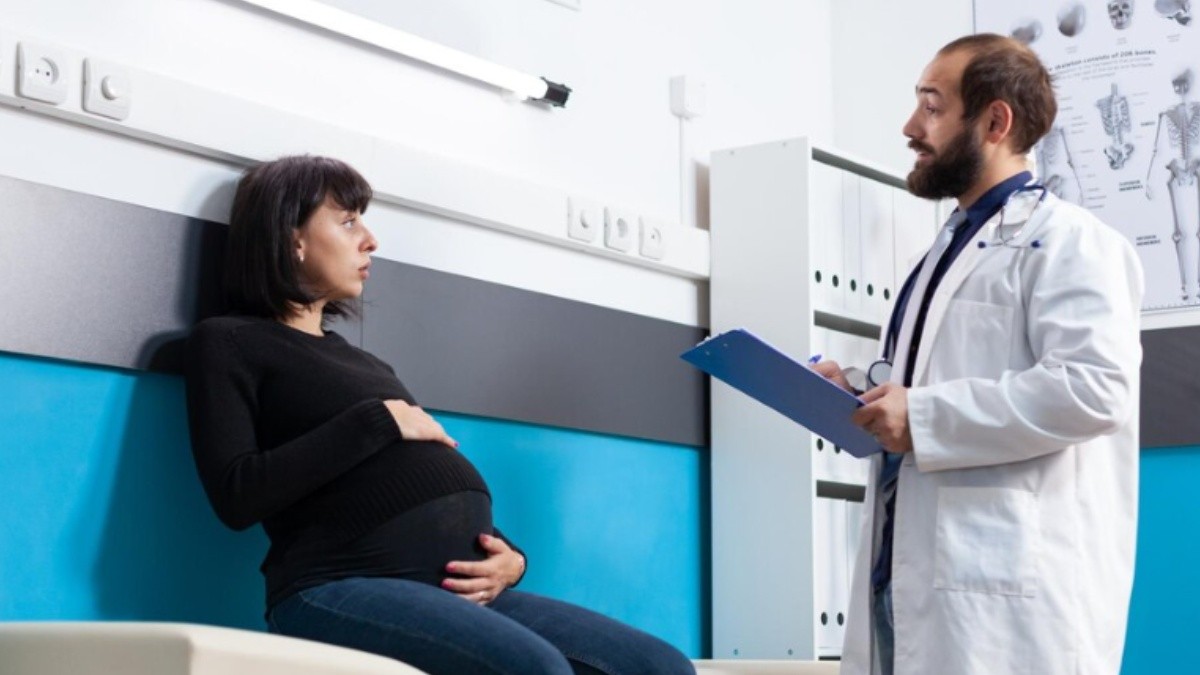
Pregnancy itself can cause tiredness, sleep changes and emotional fluctuations and can make depression difficult to recognise. But symptoms that persist, become severe or impact daily functioning need to be taken seriously.
What are the common symptoms to watch for
Depression can affect people differently. Possible symptoms during pregnancy may include:
Sadness, emptiness or hopelessness. Loss of interest in what you enjoyed. Excessive worry or feelings of worthlessness. Irritability or frequent emotional distress. Changes in appetite. Difficulty sleeping or sleeping excessively. Persistent fatigue or lack of energy. Difficulty concentrating or making decisions. Feeling disconnected from pregnancy. Withdrawing from family and friends.
Related Articles


If a person has one symptom, they are not necessarily depressed. But the combination of symptoms that continues over time should be discussed with a healthcare professional before a long-term diagnosis is made.
Why can depression develop during pregnancy
There is no single cause of prenatal depression. Physical and hormonal changes may be involved; psychological and social circumstances may also play a role.
Previous depression or anxiety, a history of mental health problems, stressful life events, relationship problems, lack of social support and concerns about pregnancy or parenthood may increase vulnerability.
Pregnancy complications or difficulty in conceiving can also create emotional stress.
Even when a pregnancy is planned and welcomed, depression can impact someone. Just because a person is depressed does not mean they do not love their baby or will be a bad parent.
Why seeking help matters
With untreated depression, even routine becomes more difficult and sleep, nutrition, relationships and even prenatal appointments can be affected. Severe depression can also increase the risk of complications and may persist after childbirth.
Getting help early can make treatment easier and allow for coping strategies to be developed before the baby arrives.
Pregnant women should be comfortable talking about their emotional health in prenatal appointments. Healthcare providers can screen for depression and provide appropriate support.
Treatment during pregnancy
Treatment depends on the severity of symptoms and the individual’s situation. Psychotherapy or counselling are both effective options for many people. Cognitive behavioural therapy may help people recognize unhelpful thought patterns and develop healthier coping strategies.
In some cases, medication may be considered. Antidepressants can have risks and benefits during pregnancy and should be prescribed by a qualified healthcare provider who can consider the individual’s medical and psychiatric history.
If you’re already on medication for depression, do not stop it suddenly without speaking to your doctor. Abruptly stopping some medicines can cause withdrawal symptoms or a return of depression.
The importance of emotional support
A strong support system can make a meaningful difference. Partners, family members and trusted friends can provide practical and emotional assistance.
Instead of simply telling someone with depression to “think positively,” offer specific support. Helping with household tasks, accompanying them to appointments or providing a listening ear can be more useful.
Support groups and mental health professionals can also provide a safe environment for discussing pregnancy-related concerns.
Self-care can complement professional treatment
Small daily habits may support emotional well-being, although they should not replace professional treatment when depression is present.
Based on medical advice, gentle physical activity, regular meals, adequate rest, relaxation techniques and staying socially connected may be helpful. Setting realistic expectations is equally important. Pregnancy can be physically demanding, and there is no need to maintain a perfect routine.
When to seek urgent help
Depression can sometimes become severe. Thoughts of self-harm, suicide, harming someone else, or feeling unable to stay safe require immediate professional attention.
If you or someone you know is experiencing these symptoms, seek emergency medical help or contact an appropriate crisis service immediately. Do not leave someone at immediate risk alone.
Supporting mental health after delivery
Depression during pregnancy can sometimes continue after childbirth, making awareness particularly important. New parents may experience substantial sleep disruption, physical recovery and emotional changes after delivery.
Anyone who continues to experience persistent sadness, anxiety, hopelessness, loss of interest or difficulty functioning after birth should speak with a healthcare professional.
Postpartum depression is treatable, and asking for help is an important part of caring for both parent and baby.
Depression during pregnancy is a real and treatable health condition. It can affect anyone, regardless of whether the pregnancy was planned, wanted or uncomplicated. Recognising persistent emotional changes and discussing them openly with a healthcare professional can help ensure timely support.
Pregnancy care should include both physical and mental health. With appropriate treatment, emotional support and professional guidance, many people experiencing prenatal depression can feel better and move toward a healthier pregnancy and transition into parenthood.



Comments 0