
Pregnancy headaches are common complaints during pregnancy and they can happen at any point in pregnancy. Hormonal changes, tiredness, stress, dehydration and changes in daily routines can all contribute to headaches. For some pregnant women, headaches may be mild and occasional, while others may experience migraines or more frequent discomfort.
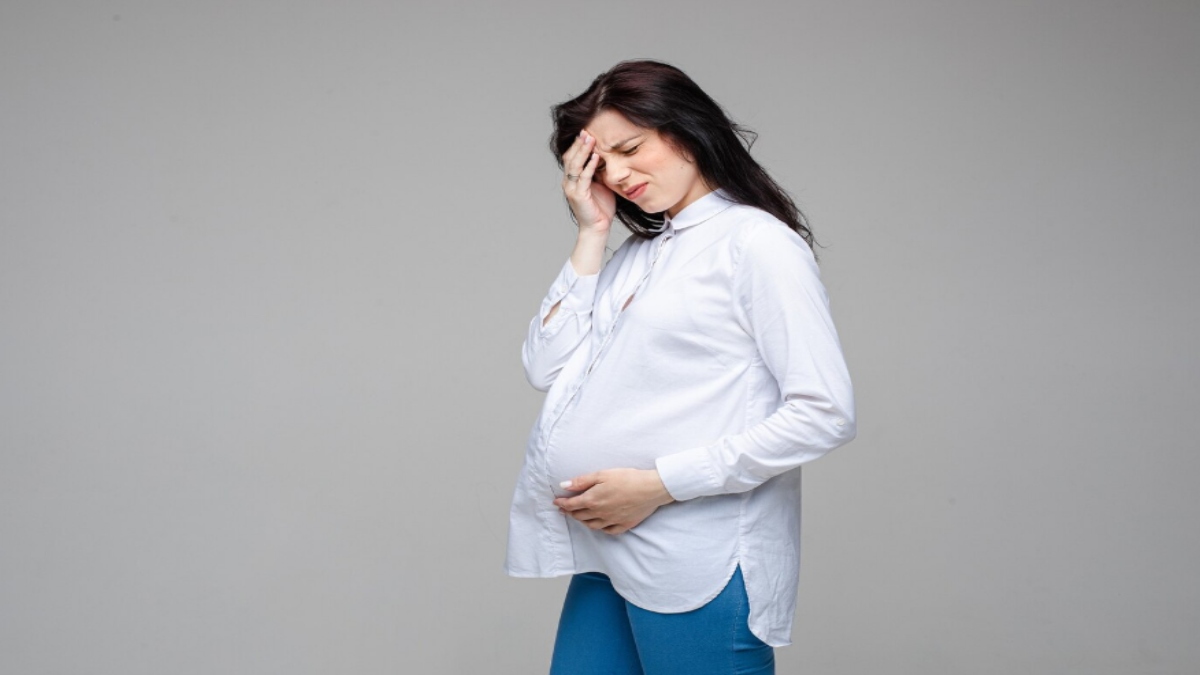
Although most headaches in pregnancy are not dangerous, a new, severe or persistent headache should not be ignored. In some cases, especially late in pregnancy, a headache can be associated with hypertension and preeclampsia, which should be treated immediately by medical staff.
Knowing the causes of headaches, as well as the warning signs among pregnant women, will help to avoid headaches when pregnant.
Related Articles

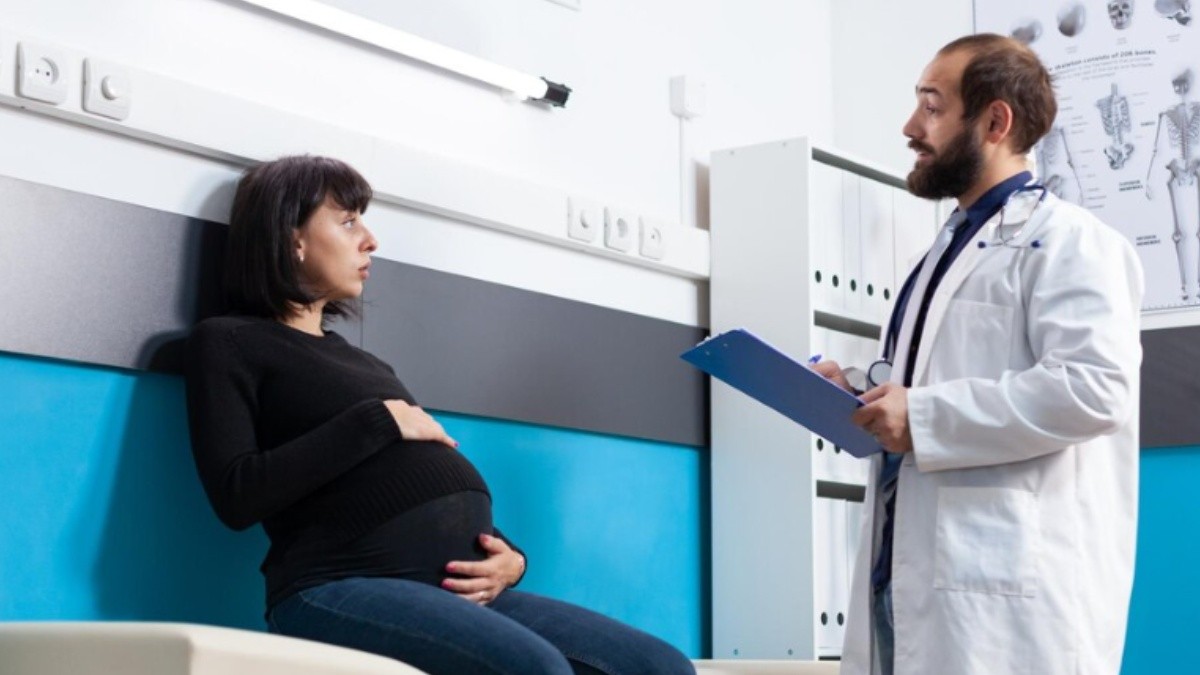
Why do Headaches occur in pregnancy
Pregnancy changes the whole body greatly. The hormone levels in the first trimester can fluctuate quickly and lead to headaches. Also, increased blood volume and changes in circulation may contribute.
Other common triggers include:
Lack of sleep
Stress or anxiety
Dehydration
Skipping meals
Low blood sugar
Caffeine withdrawal
Poor posture
Eye strain
Nasal congestion
Fatigue
Related Articles
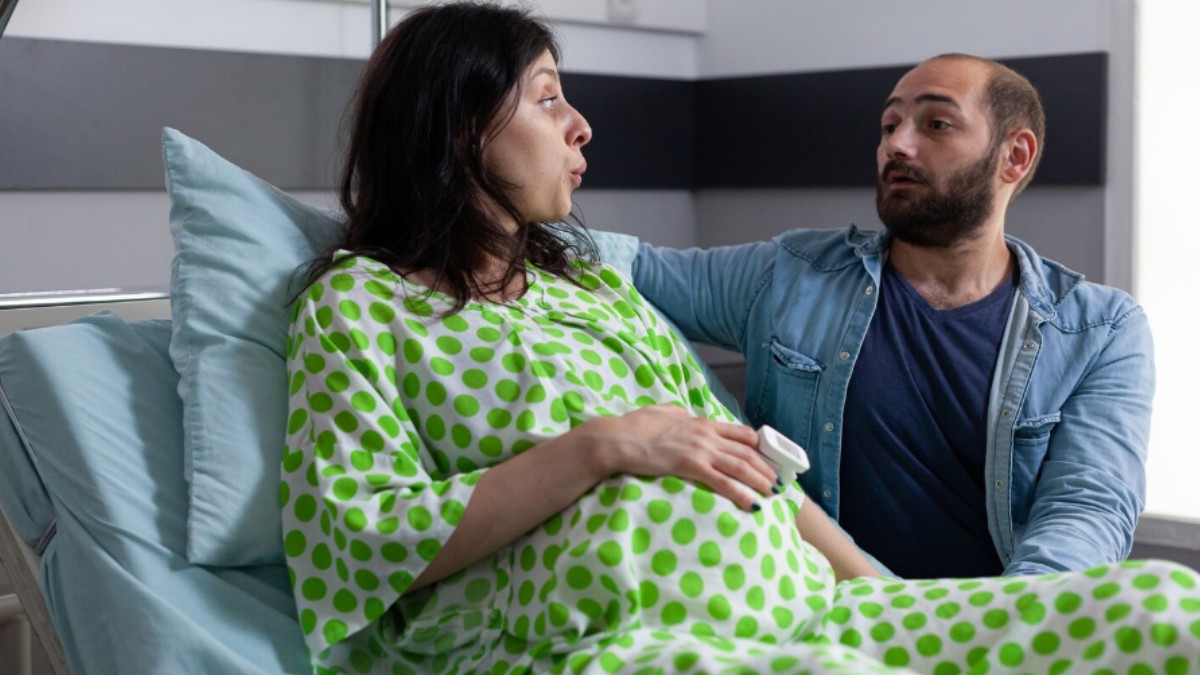

Women who had frequent migraines before pregnancy may notice that their pattern changes during pregnancy. Some experience migraines that get better, while others get worse and more frequent or more severe.
Headaches in the First Trimester
Early pregnancy headaches are common. Morning sickness, a lack of food and water intake, dehydration and fatigue can make them worse.
If nausea is making it difficult to eat or drink enough, dehydration may be an important contributor to headaches.
Eating small, regular meals and drinking enough fluids throughout the day may help. Rest can also be beneficial, particularly when tiredness is contributing to the problem.
Headaches During the Second and Third Trimesters
Some women experience fewer headaches as pregnancy progresses and hormone levels become more stable. Others continue to experience them.
But a serious headache in the second half of pregnancy needs further attention. A headache accompanied by high blood pressure can be a warning sign of preeclampsia, a pregnancy complication that can affect the mother and baby.
Preeclampsia can happen after 20 weeks of pregnancy and may involve symptoms such as high blood pressure, severe headache, vision changes, swelling, upper abdominal pain or shortness of breath.
How do I relieve pregnancy headache naturally
A mild headache may be treated with simple remedies.
Drink water on a regular basis: Drink water throughout the day. If vomiting or severe nausea is making it difficult to keep fluids down, contact your healthcare provider.
Eating regularly: Skipping meals can cause headaches. Aim for balanced meals and nutritional snacks at regular intervals.
Get enough rest: Fatigue and poor sleep can cause headaches. Try to maintain a consistent sleep routine.
Use a cool or warm compress: Some patients find relief by applying a cool compress on the forehead or a warm compress around the neck and shoulders.
Reduce screen strain: If prolonged screen use is contributing to discomfort, take regular breaks and adjust your screen position and brightness.
Relaxation: Gentle breathing exercises, relaxation techniques or pregnancy-appropriate stretching can help to relieve tension-related headaches.
What about Painkillers During Pregnancy
Use of medication during pregnancy should be discussed with a healthcare professional.
Paracetamol (acetaminophen) is generally considered an appropriate pain-relief option during pregnancy when used as directed, but pregnant women should still take the advice of their doctor or midwife and never take more than the recommended dose.
Some non-steroidal anti-inflammatory drugs (NSAIDs) may not be appropriate at some stages of pregnancy. Painkillers, migraine drugs or herbal remedies should not be routinely used in pregnancy without checking to see if they are suitable.
Be Careful With Caffeine Changes
Caffeine withdrawal can cause headaches in people who drink coffee, tea, energy drinks or other caffeinated beverages regularly.
Pregnant women are generally advised to limit caffeine intake to no more than 200 mg per day. But individual advice may differ. If you are reducing caffeine after becoming pregnant, gradually lowering your intake may help minimize withdrawal headaches.
When is a pregnancy headache an emergency
A headache that comes suddenly, is extremely severe or unlike anything you have ever experienced requires urgent medical attention.
Contact your healthcare provider promptly if a headache is accompanied by:
Blurred vision or other vision changes
Severe or persistent vomiting
Swelling of the face or hands
Pain below the ribs or in the upper abdomen
High blood pressure
Confusion
Weakness or numbness
Difficulty speaking
Seizures
Fever or a stiff neck
Shortness of breath
A severe headache after 20 weeks of pregnancy is especially important to report as it can be associated with preeclampsia.
Keep Track of Your Headaches
If headaches occur frequently, keeping a simple record can help identify triggers.
Note when the headache begins, how long it lasts, what you ate and drank, how much you slept, your stress level and any other symptoms.
This information may help to determine whether the headaches are related to common triggers or require further investigation.
Don't Ignore a Change in Your Normal Headache Pattern
If you have a history of migraines, pregnancy can change how they feel or how frequently they occur. A headache that is significantly different from your usual migraine pattern should be evaluated.
Pregnancy can also influence which migraine treatments are appropriate, so consult your doctor before starting or continuing prescription or over-the-counter migraine medication.
Pregnancy headaches are common and are often born from relatively simple reasons of hormonal changes, dehydration, fatigue, hunger, stress or caffeine withdrawal. Staying hydrated, eating regularly, getting adequate rest and using relaxation techniques can help to alleviate mild headaches.
But pregnancy headaches should never be dismissed as a normal part of pregnancy. A severe, persistent or unusual headache (especially after 20 weeks) may be indicative of high blood pressure or preeclampsia.
If a headache is accompanied by vision changes, swelling, upper abdominal pain, high blood pressure, neurological symptoms, seizures or other concerning symptoms, seek medical attention promptly.
Every pregnancy is different, so discuss recurring or severe headaches with your obstetrician, midwife or healthcare provider to determine the safest approach for you and your baby.



Comments 0