
Pregnancy brings many physical and emotional changes, and receiving an HIV diagnosis can understandably create additional concerns about the health of both the mother and baby. However, with modern medical care, people living with HIV can have healthy pregnancies and babies. The key is early diagnosis, appropriate antiretroviral treatment, regular prenatal care, and close communication with a qualified healthcare team.
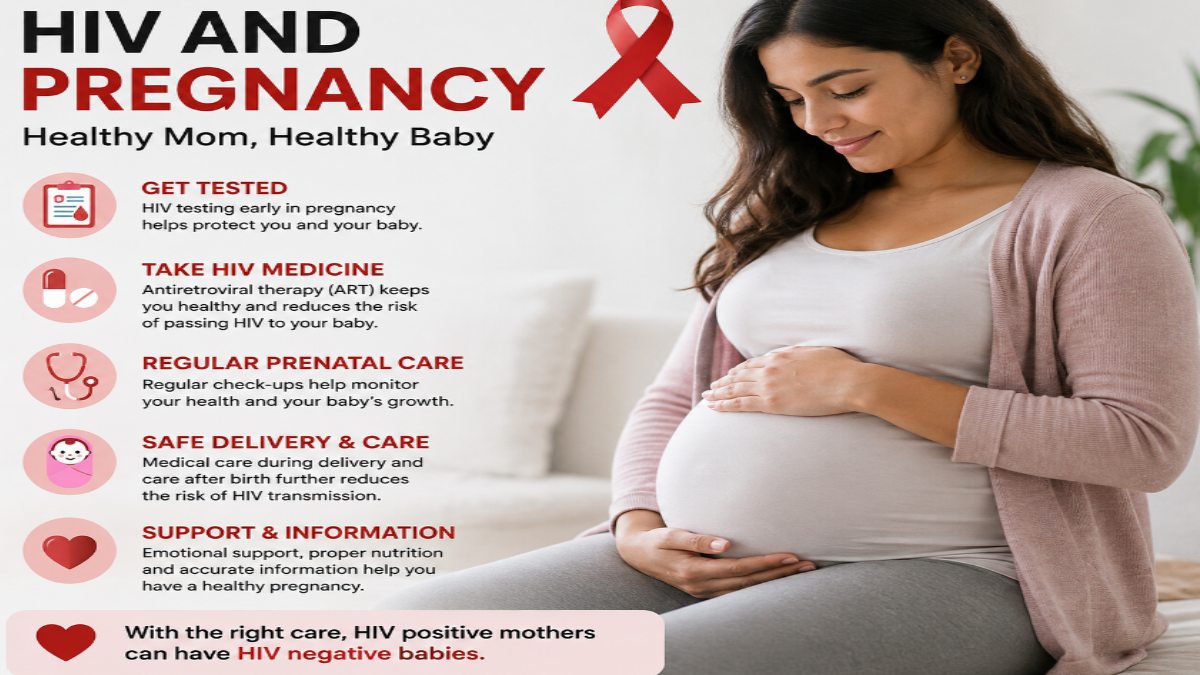
HIV, or human immunodeficiency virus, affects the immune system. Without effective treatment, HIV can be transmitted from a pregnant person to their baby during pregnancy, labour, delivery, or breastfeeding. This is known as perinatal or mother-to-child transmission. Fortunately, effective treatment and preventive strategies can reduce this risk to very low levels.
HIV testing is an important part of pregnancy care
HIV testing is routinely recommended during pregnancy because a person may have HIV without experiencing noticeable symptoms. Identifying HIV early allows treatment to begin or continue as soon as possible.
Related Articles


People who already know that they have HIV should tell their obstetrician, midwife, or other maternity healthcare provider early in pregnancy. The healthcare team can then review their current medications, viral load, general health, and pregnancy care plan.
For people whose HIV status is unknown, testing provides an opportunity to access treatment and preventive care when needed.
Antiretroviral treatment during pregnancy
The main medical strategy for managing HIV during pregnancy is antiretroviral therapy (ART). ART involves a combination of medicines that suppress HIV and reduce the amount of virus in the blood.
Related Articles


Maintaining an undetectable or very low viral load is important for the health of the pregnant person and significantly reduces the chance of transmitting HIV to the baby.
People who are already taking HIV medication should not stop treatment on their own after becoming pregnant. Some HIV medicines are appropriate during pregnancy, while treatment may need to be reviewed depending on the individual's circumstances.
A healthcare professional can determine the safest and most effective treatment plan.
Viral load monitoring matters
Viral load refers to the amount of HIV present in the blood. Regular testing during pregnancy helps healthcare professionals understand how well treatment is controlling the virus.
When HIV is effectively suppressed, the risk of transmission to the baby becomes extremely low. Monitoring also helps the medical team make decisions about labour, delivery, and newborn care.
Following the prescribed treatment schedule is therefore particularly important during pregnancy. If side effects, difficulty taking medication, or access problems occur, the healthcare team should be informed rather than stopping treatment independently.
Planning for labour and delivery
The method of delivery depends on several factors, including the person's viral load near delivery, overall health, obstetric circumstances, and local clinical guidelines.
When HIV is well controlled, many people can have a vaginal birth. In certain circumstances, a planned caesarean delivery may be recommended to further reduce the risk of transmission.
The delivery plan should be discussed with the maternity team before labour begins. This allows healthcare professionals to consider the most appropriate approach for both the parent and baby.
Protecting the newborn
Babies born to people living with HIV may receive antiretroviral medication after birth. The exact medication and duration depend on the circumstances surrounding the pregnancy and delivery, including the mother's viral load and treatment history.
The newborn will also undergo HIV testing at recommended intervals. These tests are important because a single test immediately after birth cannot always determine whether transmission has occurred.
Parents should follow the baby's healthcare schedule carefully and discuss any concerns with the paediatric team.
What about breastfeeding
Feeding recommendations for people living with HIV vary depending on factors such as access to safe alternatives, healthcare resources, national guidelines, and the mother's individual circumstances.
In settings where safe and sustainable replacement feeding is available, avoiding breastfeeding eliminates the risk of HIV transmission through breast milk. In some settings and circumstances, breastfeeding may be considered with effective maternal ART and close medical monitoring because the risk can be substantially reduced, but it is not zero.
People living with HIV should discuss infant-feeding choices with their HIV specialist and maternity or paediatric healthcare team rather than making the decision alone.
Emotional wellbeing is important too
An HIV diagnosis during pregnancy can bring fear, anxiety, guilt, or uncertainty. It is important to remember that HIV is a manageable medical condition, and treatment can protect the health of the parent while dramatically reducing the risk of transmission to the baby.
Emotional support can be valuable. A trusted healthcare professional, counsellor, support group, or other appropriate source of support can help someone navigate concerns about pregnancy, treatment, relationships, and parenting.
HIV also should not be associated with shame or blame. Access to confidential healthcare and accurate information is an important part of compassionate pregnancy care.
Planning ahead can make a difference
People living with HIV who are planning a pregnancy can speak with their healthcare provider before conception. Preconception care provides an opportunity to review HIV treatment, viral load, other medications, vaccinations, general health, and any additional pregnancy considerations.
Those who discover they have HIV after becoming pregnant should also seek care promptly. Starting effective treatment as early as possible can make an important difference.
Ultimately, HIV does not mean that a healthy pregnancy or healthy baby is impossible. With appropriate antiretroviral therapy, regular monitoring, specialist maternity care, and newborn preventive treatment when indicated, the risk of passing HIV to a baby can be reduced dramatically.
Every pregnancy is different, so treatment and delivery decisions should always be individualised by qualified healthcare professionals. Anyone living with HIV who is pregnant, planning pregnancy, or considering breastfeeding should speak with their HIV specialist and maternity team for personalised medical guidance.



Comments 0