
Protecting a child from preventable diseases is one of the most important responsibilities parents and caregivers face. Immunisation and vaccination help prepare the immune system to recognise and respond to certain infections before a child is exposed to them. Vaccines have played a major role in reducing illnesses that can cause serious complications in children.
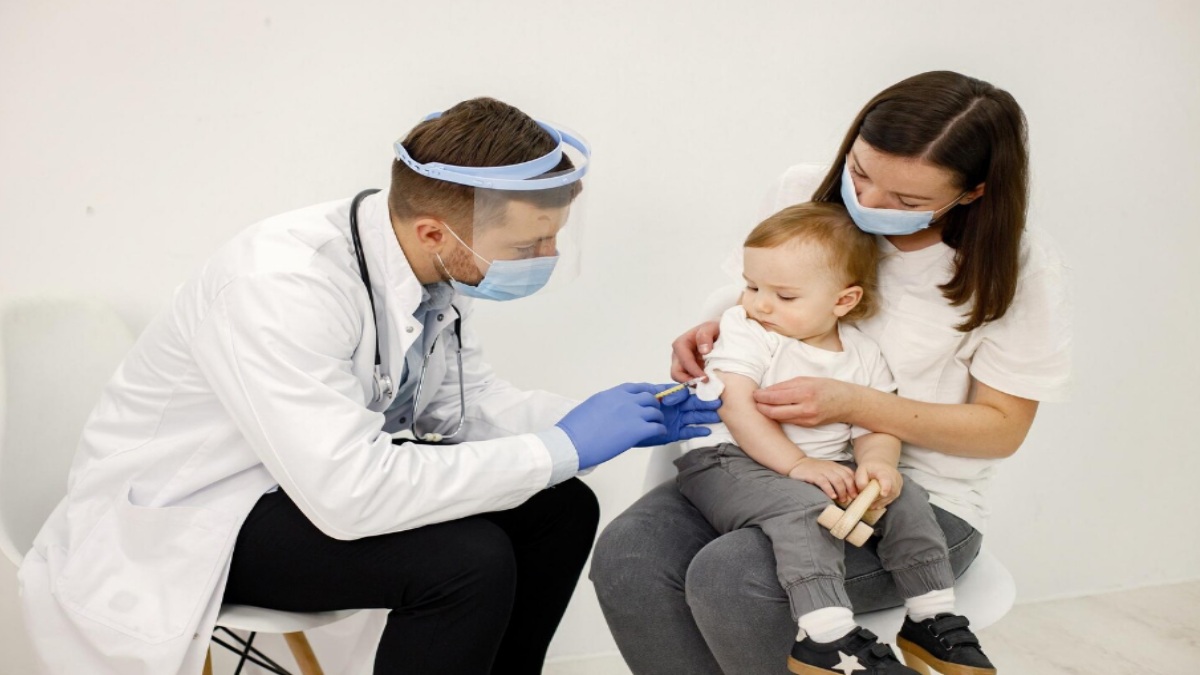
From infancy through adolescence, children may need several vaccines and booster doses. The exact recommendations vary according to a child's age, health, location and national immunisation programme. Parents should therefore follow the vaccination schedule recommended by their child's healthcare professional and local health authorities.
What Is Immunisation
Immunisation is the process through which a person develops protection against an infectious disease, usually through vaccination. Vaccines train the immune system to recognise specific germs or components of them without causing the disease in the same way as a natural infection.
Related Articles


When a vaccinated child later encounters the relevant infection, their immune system may be able to respond more quickly and effectively. This can reduce the risk of severe illness and its complications.
Why Are Childhood Vaccines Important
Children can be particularly vulnerable to certain infectious diseases. Depending on the disease, infections may result in complications such as pneumonia, inflammation of the brain, severe dehydration or other serious health problems.
Vaccination reduces the likelihood of many vaccine-preventable infections and can help protect children during their early years, when their immune systems are still developing.
Related Articles


Immunisation also has a wider community benefit. When a large proportion of people are protected against an infectious disease, transmission can become more difficult. This can provide additional protection to people who cannot receive particular vaccines or who may not respond adequately to vaccination.
Follow the Recommended Vaccination Schedule
Childhood vaccines are generally given according to a recommended schedule because protection is needed at different stages of development.
Some vaccines require multiple doses to build or maintain protection. Booster doses may also be recommended later. Missing a scheduled dose does not necessarily mean a child has to restart an entire vaccine series. Depending on the vaccine and circumstances, a healthcare professional can advise on an appropriate catch-up schedule.
Parents should keep their child's vaccination records updated and take them to medical appointments.
Are Vaccines Safe
Vaccines undergo testing and monitoring before and after they are authorised for use. Like medicines, vaccines can cause side effects, but most vaccine-related reactions are mild and temporary.
A child may experience soreness or redness at the injection site, tiredness or a mild fever after some vaccinations. Serious adverse reactions are uncommon, but parents should follow the healthcare professional's advice about what symptoms require medical attention.
If your child has previously experienced a serious allergic reaction to a vaccine or has a medical condition that may affect vaccination, tell the healthcare professional before the vaccine is administered.
What If Your Child Is Unwell
A minor illness does not always mean a vaccination needs to be postponed. However, whether a vaccine should be given when a child is unwell depends on the illness, severity of symptoms and specific vaccine.
Rather than cancelling an appointment automatically, speak with your child's doctor, nurse or vaccination provider. They can determine whether vaccination should proceed or be rescheduled.
Vaccines and Allergies
Before vaccination, inform the healthcare professional about known allergies, previous vaccine reactions and any significant medical conditions. This information helps them determine whether additional precautions or an alternative approach is needed.
A history of allergies does not automatically mean that a child cannot receive vaccines. A qualified healthcare professional can assess the individual circumstances.
Keep Your Child's Vaccination Records Safe
Maintaining accurate vaccination records is important. Records can help healthcare professionals determine which doses a child has received and whether any vaccinations are due.
Keep the record in a safe place and, where possible, maintain a digital copy. If you move to another city or country, having accurate documentation can make it easier for a new healthcare provider to understand your child's immunisation history.
Talk to Your Child About Vaccination
Older children may feel anxious about injections. Parents can help by explaining what will happen in simple, age-appropriate language.
Avoid making unrealistic promises such as saying that an injection will not hurt at all. Instead, reassure your child that the procedure is brief and that you will be there to support them.
Distraction, calm breathing, a favourite toy or comforting conversation may help reduce anxiety during vaccination.
Do Not Rely on Internet Claims Alone
Parents may encounter conflicting information about vaccines online. Not all social media posts, videos or websites provide reliable medical information.
When you have concerns about a vaccine, discuss them with your child's paediatrician, family doctor, nurse or another qualified healthcare professional. They can explain the benefits, potential side effects and recommendations relevant to your child's specific situation.
Childhood immunisation is an important part of preventive healthcare. Vaccines help protect children from a range of potentially serious infectious diseases and can also contribute to protecting communities.
Parents should follow the vaccination schedule recommended by their local health authorities and healthcare professional, keep accurate records and ask questions whenever they have concerns. If a dose is missed, seek medical advice about catch-up vaccination rather than assuming it is too late.



Comments 0