
Pregnancy is a major physical and emotional change, and having a medical condition before or during pregnancy can require additional planning and monitoring. Many women with chronic health conditions can have healthy pregnancies, but the right care often depends on the condition, its severity, medications being used and the stage of pregnancy.
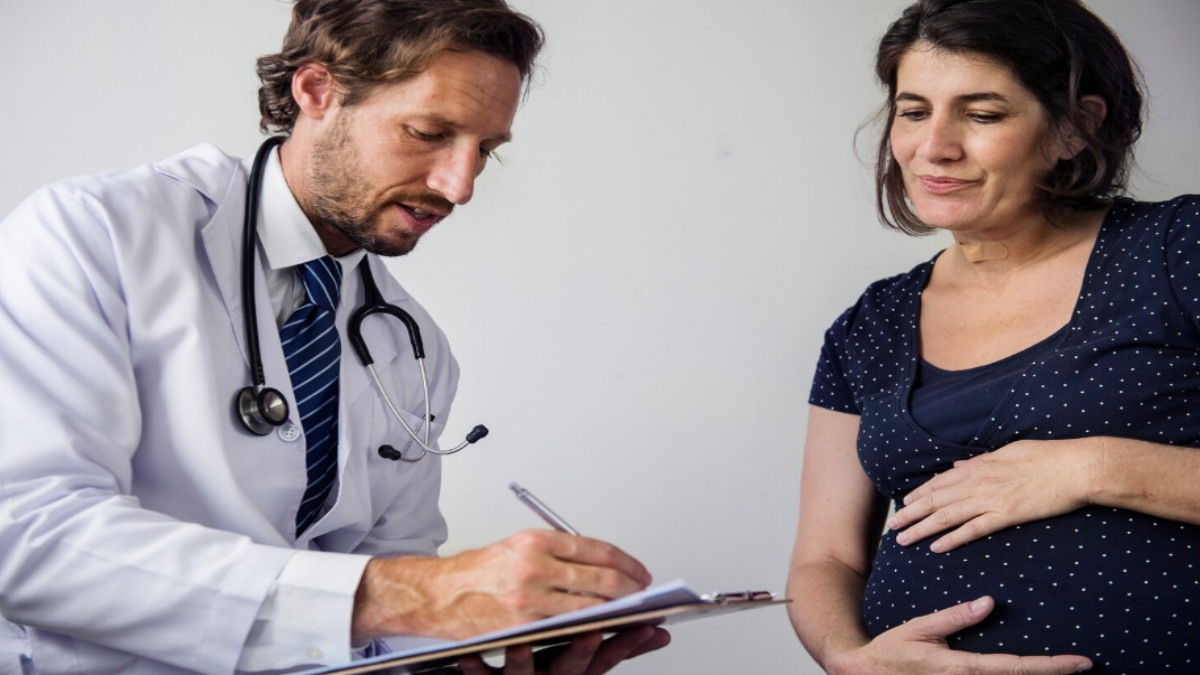
If you are planning to become pregnant or have recently discovered that you are pregnant, it is important to discuss your medical history with a qualified healthcare professional. Conditions that may have been manageable before pregnancy can sometimes require changes in treatment or closer monitoring.
Why Pre-Pregnancy Planning Matters
Ideally, women with existing medical conditions should speak with their doctor before trying to conceive. A preconception appointment can help identify potential risks and determine whether medications, lifestyle habits or treatment plans need to be adjusted.
Related Articles


Doctors may review blood pressure, blood sugar, thyroid function, medications, vaccinations and other factors depending on a woman's health history. Folic acid supplementation is also commonly recommended before pregnancy, although the appropriate dose can vary based on individual circumstances.
Do not stop prescription medicines on your own after discovering you are pregnant. Some medicines may be unsafe during pregnancy, while others may be important for controlling a condition and preventing complications. A healthcare professional can determine whether a medication should be continued, changed or adjusted.
Diabetes and Pregnancy
Diabetes can affect pregnancy, particularly when blood glucose is not well controlled. High blood sugar before and during pregnancy can increase the risk of certain complications for both the mother and baby.
Related Articles


Women with diabetes may need closer monitoring of blood glucose levels and adjustments to their diet, physical activity or medication. People taking diabetes medicines should discuss pregnancy plans with their healthcare team because treatment may need to change.
Good blood sugar management before conception and throughout pregnancy can help reduce potential complications.
High Blood Pressure
High blood pressure can occur before pregnancy or develop during pregnancy. Chronic hypertension may increase the risk of complications such as pre-eclampsia, placental problems and restricted fetal growth.
Pregnant women with hypertension may require regular blood pressure checks and additional monitoring. Some blood-pressure medicines are not recommended during pregnancy, so medication should always be reviewed by a healthcare professional.
Thyroid Disorders
The thyroid gland plays an important role in metabolism and pregnancy. Both an underactive thyroid and an overactive thyroid can require careful management during pregnancy.
Women taking thyroid medication may need regular blood tests to monitor thyroid hormone levels and determine whether their treatment needs adjustment. Untreated thyroid disorders can potentially affect both maternal health and fetal development.
Asthma and Pregnancy
Many women with asthma have healthy pregnancies, particularly when the condition is well controlled. However, poorly controlled asthma can create risks for both mother and baby.
Pregnant women should work with their healthcare provider to maintain good asthma control. Inhalers and other medicines should not be stopped without medical advice, as uncontrolled breathing problems can also be dangerous.
Heart Conditions
Pregnancy increases the workload on the heart and circulatory system. For women with certain heart conditions, these changes can require specialised care.
Depending on the condition, a woman may be monitored by an obstetrician and cardiologist. Women with known heart disease should ideally receive preconception counselling so that potential risks can be assessed before pregnancy.
Kidney Disease
Kidney disease can influence blood pressure, fluid balance and other aspects of pregnancy. The severity of kidney disease can affect pregnancy risks, making specialist monitoring particularly important for some women.
Regular tests may be used to monitor kidney function and blood pressure throughout pregnancy.
Mental Health Conditions
Mental health is also an important part of pregnancy care. Anxiety, depression and other mental health conditions can occur before or during pregnancy.
Women should not feel ashamed about seeking help. Treatment can include counselling, lifestyle support and, when appropriate, medication. Because some psychiatric medicines require individual risk-benefit assessment during pregnancy, treatment decisions should be made with a qualified healthcare professional rather than stopping medication suddenly.
Pregnancy Requires Individualised Care
Having a medical condition does not automatically mean that pregnancy is unsafe. However, every pregnancy is different. The safest approach is to understand the condition, follow recommended monitoring and maintain regular prenatal appointments.
Seek urgent medical attention if you experience warning signs such as severe abdominal pain, heavy bleeding, difficulty breathing, chest pain, severe headache, vision changes, seizures, sudden swelling or reduced fetal movement later in pregnancy.
The Importance of Regular Prenatal Care
Regular prenatal visits allow healthcare professionals to monitor both the mother's health and the baby's development. Depending on individual circumstances, additional blood tests, scans or specialist appointments may be recommended.
Healthy lifestyle habits including balanced nutrition, appropriate physical activity, adequate rest and avoiding tobacco and alcohol—can also support pregnancy health. However, lifestyle measures should complement, not replace, appropriate medical treatment.
Pregnancy alongside a medical condition can feel overwhelming, but good planning and professional care can make a significant difference. Conditions such as diabetes, high blood pressure, thyroid disorders, asthma, heart disease and kidney disease may require additional monitoring, while mental health conditions also deserve careful attention.
If you have a chronic illness or take regular medication, talk with your healthcare provider before conception whenever possible. Once pregnant, keep your prenatal appointments and inform every healthcare professional involved in your care about your pregnancy and medical history.
With appropriate preparation, monitoring and support, many women with medical conditions can navigate pregnancy safely and confidently.



Comments 0