
Pregnancy brings remarkable changes throughout the body, and the respiratory system is no exception. As the baby grows, the mother's body adapts to meet increased demands for oxygen and support the developing fetus. Changes in hormones, blood circulation, the position of the diaphragm and the size of the uterus can all influence breathing during pregnancy.
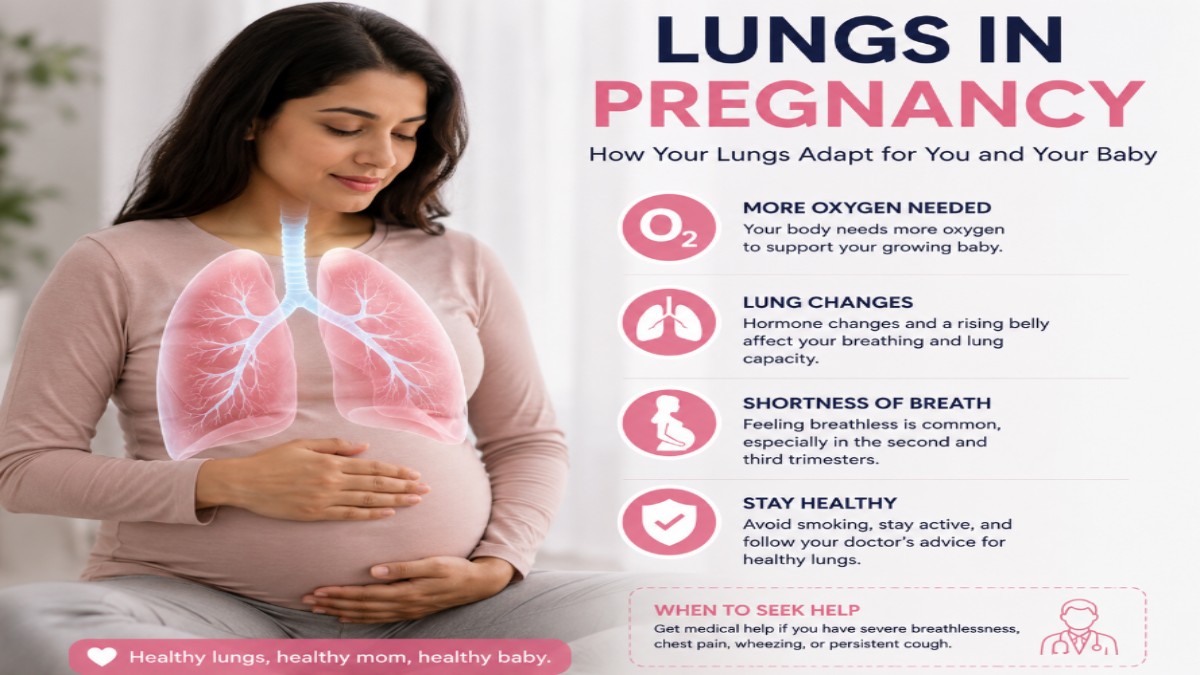
For many pregnant women, feeling slightly more short of breath than usual can be a normal part of pregnancy. However, significant or sudden breathing difficulties should never be ignored. Understanding how the lungs and respiratory system change during pregnancy can help expectant mothers distinguish common changes from symptoms that may require medical attention.
How Pregnancy Changes Breathing
One of the earliest respiratory changes during pregnancy is influenced by hormones, particularly progesterone. Progesterone can stimulate the respiratory system, causing pregnant women to breathe more deeply. As a result, the amount of air moved in and out of the lungs with each breath can increase.
Related Articles


This adaptation helps the body meet its increased oxygen requirements. The mother's blood volume also rises during pregnancy, while the heart works harder to circulate blood throughout the body. Together, these changes support the oxygen and nutrient needs of both mother and baby.
Although breathing may become deeper, this does not necessarily mean that the lungs are becoming weaker. Instead, the respiratory system is adapting to the changing physiological demands of pregnancy.
Why Does Shortness of Breath Occur
Shortness of breath is a common pregnancy symptom, particularly as pregnancy progresses. In the later stages, the expanding uterus takes up more space inside the abdomen and can push the diaphragm upward. The diaphragm is an important muscle involved in breathing, so changes in its position can affect how breathing feels.
Related Articles


Hormonal changes can also contribute to the sensation of breathlessness. Some women may notice that they become winded more easily when walking, climbing stairs or performing routine activities.
Mild breathlessness that develops gradually and is not accompanied by other concerning symptoms can be part of normal pregnancy. Nevertheless, every pregnancy is different, and persistent symptoms should be discussed with a healthcare professional.
The Increased Need for Oxygen
The body requires more oxygen during pregnancy because the mother's metabolism increases and the developing baby depends on the mother's circulation for oxygen delivery. The respiratory and cardiovascular systems work together to meet these demands.
The lungs bring oxygen into the body and remove carbon dioxide. During pregnancy, changes in breathing help increase oxygen availability while maintaining appropriate carbon dioxide levels. This carefully regulated process supports both maternal and fetal wellbeing.
The placenta plays an essential role in exchanging gases between maternal and fetal blood. Oxygen passes from the mother's circulation to the fetus, while carbon dioxide produced by the fetus moves in the opposite direction to be eliminated through the mother's lungs.
Pregnancy and Respiratory Conditions
Pregnancy can also affect women who already have respiratory conditions such as asthma. Some women experience changes in asthma symptoms during pregnancy, while others notice little difference. Because poorly controlled asthma can affect both mother and baby, pregnant women with asthma should follow their healthcare professional's treatment plan and avoid stopping prescribed medication without medical advice.
Respiratory infections can also be more concerning during pregnancy. Symptoms such as persistent cough, fever, wheezing or difficulty breathing should be evaluated appropriately, particularly when they are severe or worsening.
Healthy Habits for Lung Health During Pregnancy
Protecting respiratory health is an important part of prenatal care. Avoiding smoking and exposure to second-hand smoke is one of the most important steps an expectant mother can take. Smoke exposure can harm maternal health and is associated with serious risks to pregnancy and fetal development.
Reducing exposure to indoor and outdoor pollutants when possible can also be beneficial. Good ventilation, avoiding known respiratory irritants and following recommended prenatal care can support overall wellbeing.
Regular physical activity may also be beneficial for many healthy pregnancies. Walking, swimming or pregnancy-appropriate exercise can support cardiovascular fitness and overall health. However, exercise recommendations should be individualised, especially for women with pregnancy complications or medical conditions.
When Shortness of Breath Needs Attention
Not every breathing change during pregnancy is harmless. Sudden or severe shortness of breath, particularly when accompanied by chest pain, fainting, a rapid heartbeat, coughing up blood, bluish lips or severe weakness, requires urgent medical evaluation.
Breathing difficulties can occasionally be associated with serious conditions, including blood clots in the lungs, severe asthma or heart and respiratory problems. Pregnancy itself increases the risk of certain complications, so concerning symptoms should not simply be attributed to normal pregnancy changes.
A pregnant woman who develops new or worsening breathing problems should contact her healthcare provider for appropriate advice. Emergency symptoms should receive immediate medical attention.



Comments 0