
A healthy relationship is not defined by the absence of disagreements. Every couple experiences misunderstandings, differences and difficult moments. What often matters more is how partners communicate, handle challenges and make each other feel throughout the relationship. A strong relationship allows both people to feel valued, respected and emotionally secure while still maintaining their individuality.

While every relationship is unique, certain qualities commonly contribute to a healthy and lasting partnership. Here are eight signs that your relationship is built on a strong foundation.
1. You Communicate Openly
Healthy couples can talk about their feelings, concerns, expectations and needs without constantly fearing criticism or rejection. Communication does not mean agreeing on everything. It means being willing to listen and discuss differences honestly.
Related Articles

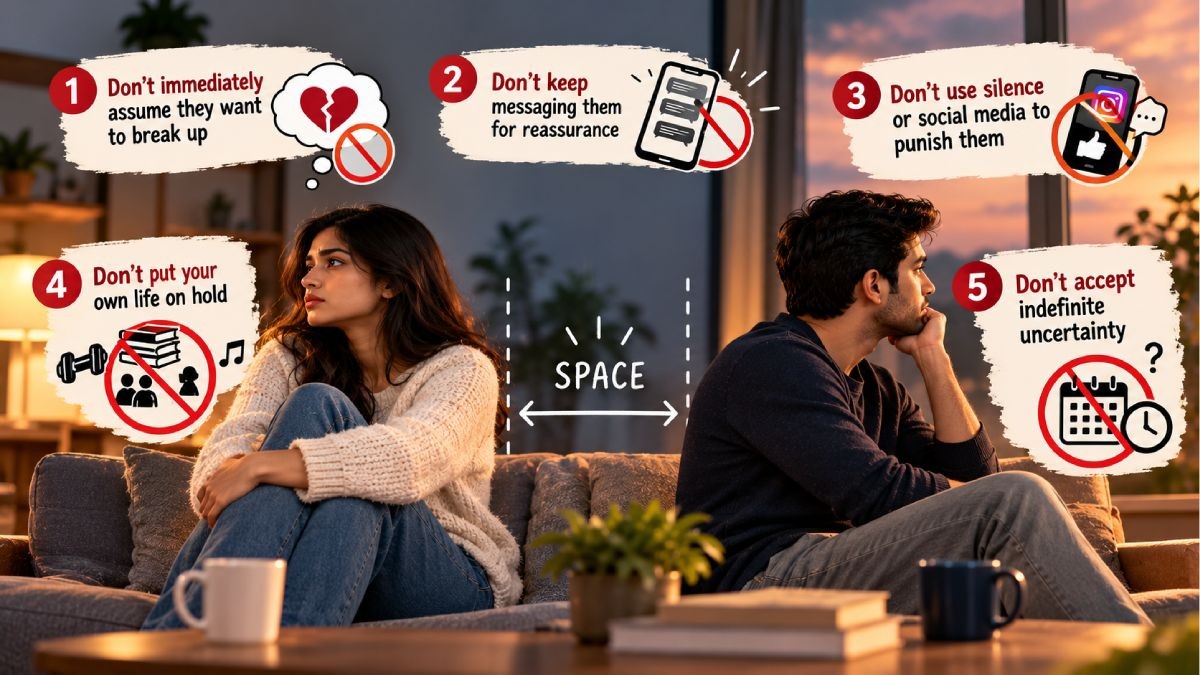
Partners should be able to express when something is bothering them rather than allowing resentment to build. At the same time, healthy communication involves listening instead of simply waiting for an opportunity to respond.
2. There Is Mutual Respect
Respect is one of the foundations of a healthy relationship. Partners recognise that they are two separate individuals with their own opinions, preferences, boundaries and ambitions.
Even during disagreements, they avoid deliberately humiliating, insulting or threatening each other. Respect also means taking each other's concerns seriously and recognising that both people's feelings matter.
Related Articles


3. You Trust Each Other
Trust develops through consistency, honesty and reliability. When trust is present, partners generally do not feel the need to constantly monitor one another or demand access to every aspect of each other's lives.
Trust does not mean ignoring genuine concerns. Instead, it means allowing the relationship to have a sense of security while understanding that both people deserve privacy and independence.
4. You Feel Emotionally Supported
A healthy partner does not have to solve every problem, but they should be willing to listen and offer support when life becomes difficult. Emotional support can be as simple as checking in after a stressful day, celebrating an achievement or providing reassurance during a challenging period.
Support should also go both ways. Both partners should feel that they can turn to each other without their vulnerabilities being mocked or dismissed.
5. You Maintain Healthy Boundaries
Being in a relationship does not mean giving up your personal identity. Healthy couples understand the importance of boundaries around time, privacy, friendships, finances, personal space and other aspects of life.
You should be able to say that you need some time alone without your partner automatically interpreting it as rejection. Likewise, each person should be able to maintain meaningful interests and friendships outside the relationship.
6. You Can Disagree Without Destroying the Relationship
Conflict is normal. The absence of arguments does not automatically indicate a healthy relationship, just as occasional disagreements do not necessarily mean a relationship is failing.
The important factor is how conflict is handled. Healthy partners focus on the issue rather than attacking each other's character. They can take a break when emotions become overwhelming and return to the conversation when they are calmer.
Apologising, taking responsibility and finding compromises are also important parts of constructive conflict resolution.
7. You Celebrate Each Other's Growth
A strong relationship gives both people room to grow. Partners should be able to pursue education, career goals, hobbies, friendships and personal interests without feeling that their success threatens the relationship.
Celebrating each other's achievements can strengthen emotional connection. Instead of competing constantly, healthy couples can become a source of encouragement and motivation for one another.
8. You Enjoy Being Together
Beyond responsibilities and practical matters, healthy relationships usually contain moments of genuine enjoyment. Couples may laugh together, share hobbies, enjoy meals, travel, watch films or simply appreciate quiet time together.
Small everyday moments can be just as meaningful as major romantic gestures. Feeling comfortable enough to be yourself around your partner is often an important part of emotional intimacy.
Healthy Relationships Still Require Effort
A healthy relationship does not remain healthy automatically. Life circumstances change, and couples may go through periods of stress, disagreement or emotional distance. Maintaining a strong bond requires continued communication, empathy and willingness to adapt.
It is also important to distinguish ordinary relationship difficulties from harmful behaviour. Persistent manipulation, intimidation, controlling behaviour, threats, emotional abuse or physical violence should not be dismissed as normal relationship conflict. Anyone experiencing these issues may benefit from seeking appropriate professional or personal support.
Ultimately, a healthy relationship should provide space for love, individuality, honesty and mutual growth. The goal is not perfection. It is creating a partnership where both people can communicate openly, respect one another, feel supported and continue to develop as individuals.
If your relationship demonstrates these qualities most of the time, you may already have many of the foundations needed for a strong and fulfilling partnership.



Comments 0