
Trust is one of the most important foundations of a healthy relationship. Whether it is a romantic partnership, friendship or family connection, people generally need to feel that they can rely on one another. Trust creates emotional security and makes it easier to communicate honestly, share vulnerabilities and navigate difficult situations together.

However, trust does not appear overnight. It develops gradually through repeated experiences of honesty, reliability, respect and emotional safety. It can also be damaged quickly when promises are repeatedly broken or communication becomes deceptive. The good news is that many relationships can strengthen trust through consistent effort and meaningful changes in behaviour.
Communicate Honestly
Open communication is one of the most effective ways to build trust. Partners should feel able to discuss their feelings, concerns, expectations and boundaries without constantly fearing judgment.
Related Articles

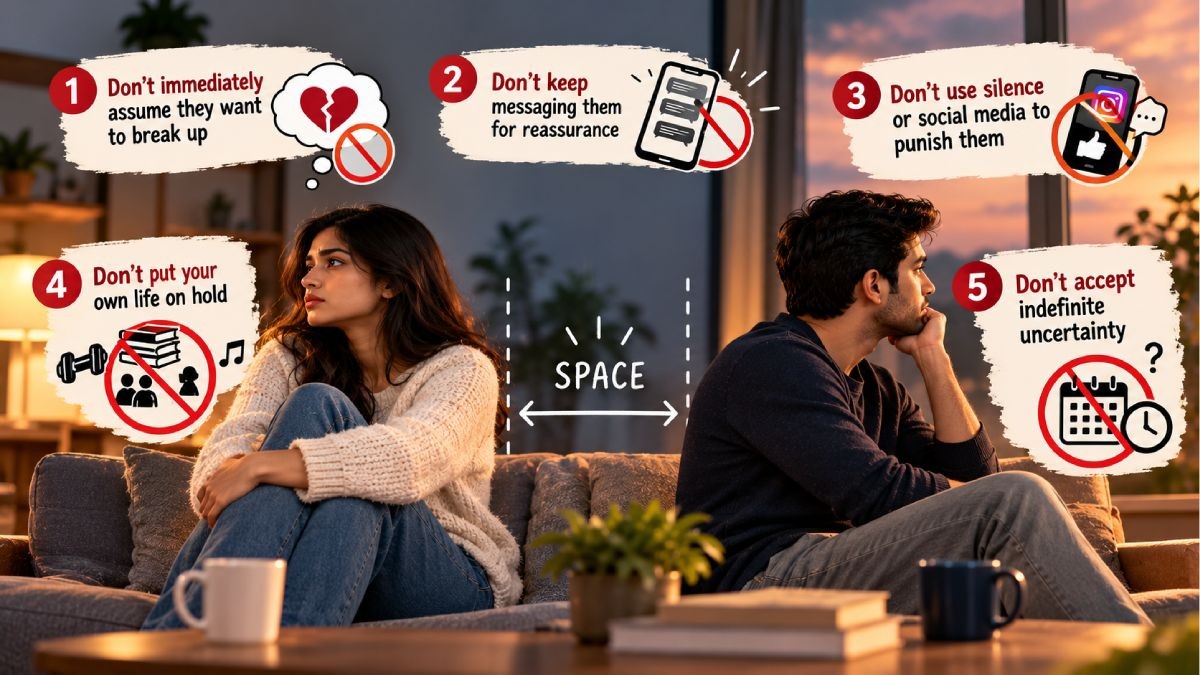
Honesty does not mean saying everything without considering how it will affect another person. Healthy honesty combines truthfulness with empathy and respect. If something is bothering you, addressing it calmly is usually more constructive than hiding it until resentment develops.
Listening is equally important. Trust grows when people feel that their thoughts are genuinely heard rather than immediately dismissed or criticised.
Keep Your Promises
Small promises matter. If you repeatedly say you will call, arrive at a certain time, complete a task or follow through on an agreement, your actions contribute to the other person's sense of security.
Related Articles


Nobody can keep every promise perfectly. Unexpected circumstances happen, and plans sometimes need to change. What matters is communicating clearly rather than disappearing or making excuses.
Consistency between what you say and what you do sends an important message: your words can be trusted.
Be Reliable During Difficult Times
Trust becomes particularly meaningful during challenging situations. Being emotionally available when someone is struggling can strengthen a relationship significantly.
Support does not always mean solving the problem. Sometimes it means listening, offering reassurance, helping with practical responsibilities or simply being present.
At the same time, healthy support should not require one person to sacrifice their own wellbeing constantly. Strong relationships involve mutual care and shared responsibility.
Respect Personal Boundaries
Trust and boundaries work together. A healthy relationship does not require constant access to another person's phone, messages, friendships or private thoughts.
Respecting boundaries communicates that you value the other person's independence. Partners can maintain friendships, hobbies, personal interests and individual time while remaining emotionally connected.
Boundaries should be discussed openly, particularly when partners have different expectations about privacy, communication or personal space.
Admit Mistakes
Everyone makes mistakes. Pretending otherwise can damage trust more than acknowledging an error.
A sincere apology should involve taking responsibility rather than immediately blaming circumstances or another person. When appropriate, explain what you understand about the impact of your actions and identify what you intend to do differently.
However, rebuilding trust requires more than saying “sorry.” Changed behaviour over time is what demonstrates that the apology was meaningful.
Avoid Playing Games
Jealousy, silent treatment, deliberate withdrawal and attempts to make someone feel insecure can create uncertainty within a relationship.
Healthy communication does not require manipulation. If you need reassurance, space or attention, expressing that need directly is generally more constructive than testing your partner to see how they respond.
Trust grows when people know where they stand.
Be Patient When Trust Has Been Damaged
Rebuilding trust after betrayal or repeated disappointment can take considerable time. The person who was hurt may need space to process what happened, and the person who caused the damage may need to demonstrate consistency over a long period.
Both partners should be realistic about the process. Expecting immediate forgiveness can create additional pressure, while refusing to acknowledge genuine efforts can make rebuilding difficult.
In serious situations, couples counselling or individual therapy may provide a structured environment for addressing deeper issues.
Create Emotional Safety
People are more likely to trust someone when they feel safe expressing vulnerability. Emotional safety means being able to share fears, insecurities and difficult feelings without being mocked, threatened or deliberately used against them later.
This does not mean partners will always respond perfectly. Everyone has moments when emotions become overwhelming. The goal is to develop a pattern of respect and repair when communication goes wrong.
Trust Yourself Too
Building trust in a relationship also involves trusting your own judgment and recognising your boundaries. A healthy relationship should not require you to ignore persistent discomfort or excuse harmful behaviour.
If a relationship involves intimidation, controlling behaviour, manipulation, threats or abuse, the issue is more serious than ordinary difficulties with trust. Seeking support from trusted people or qualified professionals may be appropriate.
Ultimately, trust is built through everyday actions rather than grand promises. Honest conversations, reliable behaviour, respect for boundaries, emotional support and accountability can gradually create a stronger foundation.
A trustworthy relationship does not have to be perfect. It needs two people who are willing to communicate, take responsibility and demonstrate through their actions that the relationship is a safe and respectful place to be.



Comments 0