
Compatibility is often considered one of the most important ingredients in a successful relationship. Shared interests, similar values, matching lifestyles and common goals can certainly make two people feel like a natural fit. But even when two people appear highly compatible, a relationship may struggle if one or both partners are emotionally unavailable.

Emotional availability refers to a person's ability and willingness to recognise, express and respond to emotions in a healthy way. It involves being open to vulnerability, communicating feelings, listening to a partner and making space for emotional intimacy. While compatibility can help bring people together, emotional availability can determine how well they connect and grow together over time.
Compatibility Is Only One Part of a Relationship
Having similar personalities or interests can make dating enjoyable. Couples may love the same movies, share hobbies, have similar social habits or agree about their future plans. These similarities can create a strong foundation, but they do not automatically guarantee emotional closeness.
Related Articles
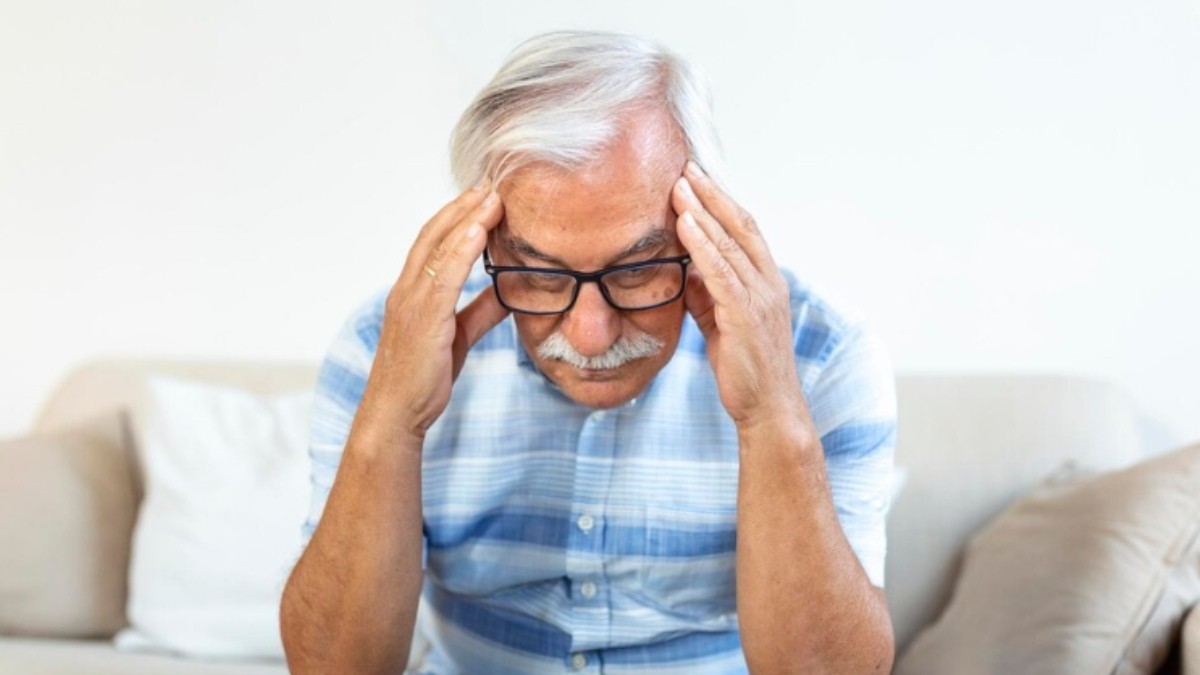

A couple can be compatible on paper yet find it difficult to discuss fears, disappointments or relationship concerns. If one partner avoids difficult conversations or shuts down whenever emotions become intense, compatibility may not be enough to maintain a healthy bond.
Long-term relationships inevitably involve disagreements, stressful periods, personal changes and unexpected challenges. Emotional availability becomes particularly important during these moments because partners need to feel that they can turn toward each other rather than away from each other.
Emotionally Available Partners Create a Sense of Safety
Emotional safety is an important part of a healthy relationship. It means feeling comfortable expressing thoughts and feelings without constantly worrying about being dismissed, mocked or ignored.
Related Articles


An emotionally available partner does not necessarily have perfect communication skills. Everyone can struggle to express themselves at times. The difference is the willingness to try.
For example, instead of avoiding a difficult conversation, an emotionally available person may say, "I need some time to process this, but I want to talk about it later." This communicates that the issue matters and that the relationship is worth addressing.
That sense of security can strengthen trust over time.
Vulnerability Can Deepen Emotional Intimacy
Lasting relationships require more than spending time together. They often depend on the ability to share the less visible parts of ourselves—insecurities, hopes, fears, regrets and dreams.
Vulnerability can feel uncomfortable because it involves the possibility of being hurt or misunderstood. However, when both partners are willing to be open and respond with empathy, vulnerability can create deeper emotional intimacy.
An emotionally unavailable person may keep conversations focused on practical matters while avoiding personal feelings. Over time, the other partner may begin to feel lonely despite being in a relationship.
Emotional Availability Improves Conflict Resolution
Every couple experiences disagreements. The goal of a healthy relationship is not necessarily to eliminate conflict but to learn how to handle it constructively.
Emotional availability can help partners remain engaged during difficult conversations. Rather than assigning blame, ignoring the problem or becoming defensive, they can try to understand what is happening beneath the disagreement.
Statements such as "I felt hurt when that happened" can open the door to discussion more effectively than accusations. Listening is equally important. A partner who feels heard is often more willing to work toward a solution.
It Helps Couples Adapt as Life Changes
People change throughout their lives. Career decisions, family responsibilities, financial pressures, health challenges and personal growth can all affect a relationship.
A couple who was perfectly compatible when they first met may eventually develop different priorities. Emotional availability can help them navigate these changes.
Being emotionally present means staying curious about your partner instead of assuming you already know what they need. Regular conversations about expectations, feelings and future goals can help couples remain connected as circumstances evolve.
Signs of Emotional Availability
Some common signs include:
- Willingness to discuss feelings and relationship concerns
- Ability to listen without immediately becoming defensive
- Comfort with appropriate vulnerability
- Willingness to apologise and take responsibility for mistakes
- Respect for a partner's emotional needs and boundaries
- Interest in understanding a partner's perspective
- Ability to communicate when space or time is needed
- Consistent effort to maintain emotional connection
No one demonstrates all these qualities perfectly all the time. Emotional availability is less about being emotionally flawless and more about being willing to engage, communicate and grow.
How to Build Greater Emotional Availability
Emotional availability can often be strengthened through conscious effort. Start by becoming more aware of your own emotions. Instead of simply saying that you feel "bad" or "angry," try identifying what is underneath the feeling.
Practising active listening can also help. Give your partner your attention, avoid immediately preparing a response and ask questions when you need clarification.
It is also important to communicate needs clearly. Expecting a partner to automatically understand what you want can create unnecessary frustration.
For couples facing persistent communication difficulties, relationship counselling or therapy can provide a structured environment for improving communication and emotional connection.
Ultimately, compatibility can make a relationship feel easy at the beginning, but emotional availability can help it remain strong when life becomes complicated. Shared interests and similar values matter, but a lasting partnership also requires two people who are willing to show up emotionally, listen, communicate and make room for each other's experiences.
The strongest relationships are not necessarily those in which two people are identical. They are often those in which both partners feel seen, heard, respected and emotionally supported. Compatibility may bring two people together, but emotional availability can help them build a relationship that continues to grow.



Comments 0