
Friendship is one of the most meaningful relationships people experience, but it does not remain the same throughout life. As people grow, their priorities, responsibilities, interests and circumstances change. Naturally, friendships evolve alongside them. Some childhood friends remain close for decades, while others gradually become distant.
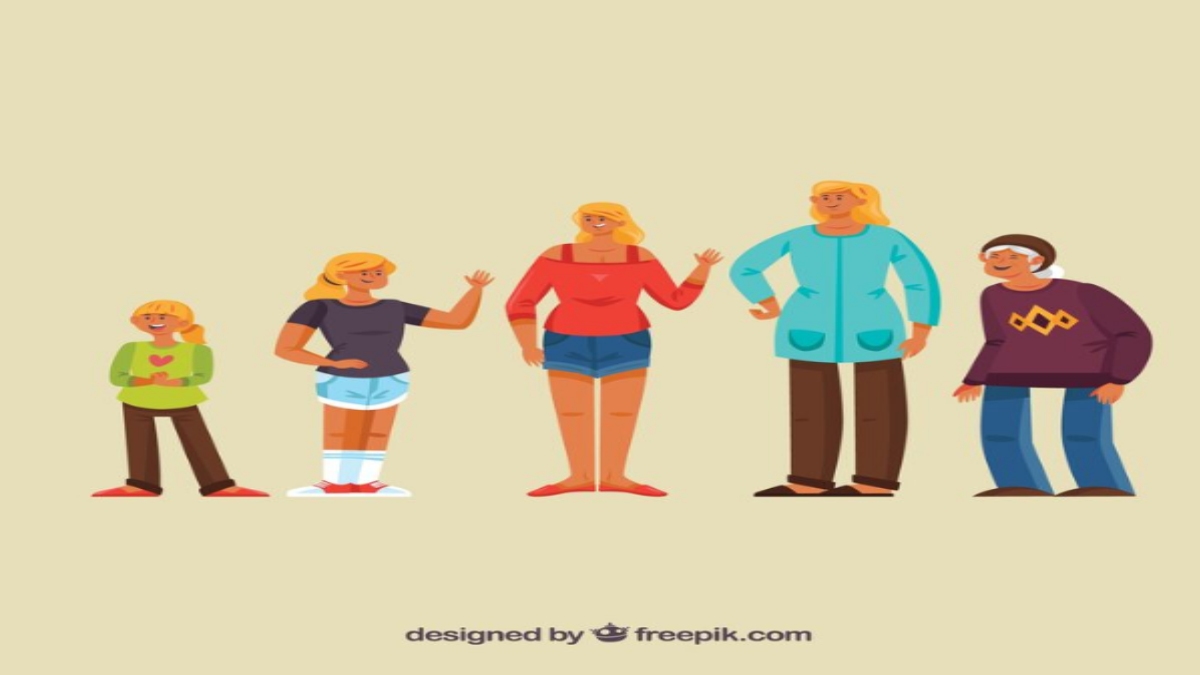
New friendships emerge during school, college, careers, marriage, parenthood and later life.Understanding how friendships change can help us appreciate different relationships instead of expecting every friendship to remain exactly the same.
Childhood: Friendship Through Play and Shared Experiences
During childhood, friendships are often built around proximity and shared activities. Children may become friends because they sit together in class, live in the same neighbourhood or enjoy playing the same games.
Related Articles


At this stage, friendship is generally uncomplicated. Children may spend hours together without worrying about schedules, careers or responsibilities. Arguments can happen quickly, but many children also move past disagreements just as quickly.
These early friendships help children develop important social skills such as cooperation, communication, empathy, sharing and conflict resolution.
Teenage Years: Deeper Emotional Connections
Adolescence often brings a significant transformation in friendships. Teenagers begin developing stronger individual identities and may rely heavily on friends for emotional support.
Related Articles


Friendships during this stage can become more personal and emotionally intense. Teenagers may share secrets, discuss relationships, talk about academic pressures and seek reassurance from their peers.
At the same time, friendships can become complicated because of changing interests, social groups, peer pressure and misunderstandings. Some friendships survive these challenges, while others naturally fade as individuals grow in different directions.
College and Young Adulthood: Finding People Who Share Your Values
College and early adulthood often introduce people to a much wider social environment. Friendships may develop through classes, workplaces, hobbies, travel or shared interests.
Unlike childhood friendships, adult relationships are increasingly influenced by compatibility, values and personality. People often begin choosing friends based on who they genuinely connect with rather than simply who happens to be nearby.
This stage can produce some of the strongest friendships because individuals are exploring independence, career ambitions and personal identity together.
Career Years: Friendship Meets Responsibility
As people enter their careers, maintaining friendships can become more challenging. Work commitments, commuting, financial responsibilities and changing schedules may reduce opportunities for spontaneous socialising.
Friends may move to different cities or countries for professional opportunities. Physical distance does not necessarily mean emotional distance, but maintaining a friendship may require more conscious effort.
At this stage, quality can become more important than quantity. People may have fewer friends but develop deeper relationships with those they trust and value.
Marriage and Partnerships: Changing Priorities
Marriage or a long-term partnership can also influence friendships. A person's time and emotional priorities may shift as they build a life with their partner.
Healthy relationships generally allow individuals to maintain friendships while also investing in their partnership. However, balancing different relationships can require communication and planning.
Couples may also develop friendships with other couples, while some individuals continue to maintain independent friendships outside their relationship. Both forms of connection can provide valuable social and emotional support.
Parenthood: Less Time, Greater Appreciation
Parenthood can dramatically change a person's social life. Caring for children often means less free time and greater responsibility. Meeting friends spontaneously may become difficult, and conversations may increasingly revolve around family life.
Some friendships become stronger when friends understand and accommodate these changes. Others may gradually fade because lifestyles and priorities become very different.
Interestingly, parenthood can also create new friendships. Parents may connect through schools, neighbourhoods, activities or parenting communities.
Middle Age: Choosing Meaningful Connections
As people move through middle age, friendships often become more intentional. Individuals may have a clearer understanding of what they value in relationships.
Rather than maintaining a large social circle, many people prefer friendships based on trust, emotional safety, shared values and mutual respect. Long-standing friends can become particularly important because they provide a connection to earlier chapters of life.
At the same time, it is never too late to make new friends. Shared hobbies, volunteering, community activities and professional networks can create opportunities for meaningful relationships.
Later Life: Connection Becomes Increasingly Important
In later adulthood, friendships can provide companionship, emotional support and a sense of belonging. Retirement may change social routines, particularly when work-based relationships disappear.
Long-term friendships can become especially valuable because they carry shared memories and experiences. However, new friendships remain possible and can enrich life at any age.
Maintaining social connections is important because prolonged isolation can negatively affect overall well-being. Regular conversations, group activities and community involvement can help people remain socially engaged.
Why Friendships Naturally Change
Not every friendship is meant to last forever. People change careers, relocate, develop new interests, form families and experience different life circumstances. Sometimes friendships simply become less relevant or less compatible.
A friendship ending does not necessarily mean it was unsuccessful. Some relationships are important for a particular period of life and leave lasting memories even after regular contact ends.
The friendships that survive major life changes often do so because both people are willing to adapt, communicate and accept that the relationship may look different over time.
How to Maintain Important Friendships
Keeping friendships strong requires effort, especially when life becomes busy. Small gestures can make a significant difference. Sending a message, scheduling a regular call, remembering an important occasion or simply checking in can help maintain connection.
It is also important to avoid measuring friendship only by frequency of contact. Some close friends may speak every day, while others may reconnect after months and still feel comfortable together.
Ultimately, healthy friendship is built on mutual respect, trust, understanding and genuine interest in each other's lives.
Friendships evolve because people evolve. The friendships of childhood may be based on play, teenage friendships may revolve around identity and emotional support, while adult friendships often depend on shared values and intentional effort. Marriage, careers, parenthood, retirement and ageing can all reshape social connections.
Rather than fearing these changes, we can recognise them as a natural part of life. Some friends may walk beside us for decades, while others accompany us for only one chapter. Each can have meaning.
The key is to appreciate the friendships we have, make space for new connections and continue nurturing relationships that bring trust, joy, support and a genuine sense of belonging.



Comments 0