
A strong parent-teacher relationship can play an important role in a child’s academic, social and emotional development. Parents know their children from a personal perspective, while teachers observe them in a classroom and learning environment. When these two sources of knowledge come together, children can receive more consistent guidance and support. Building a positive relationship does not require parents and teachers to agree on everything; it requires communication, respect and a shared commitment to the child’s well-being.
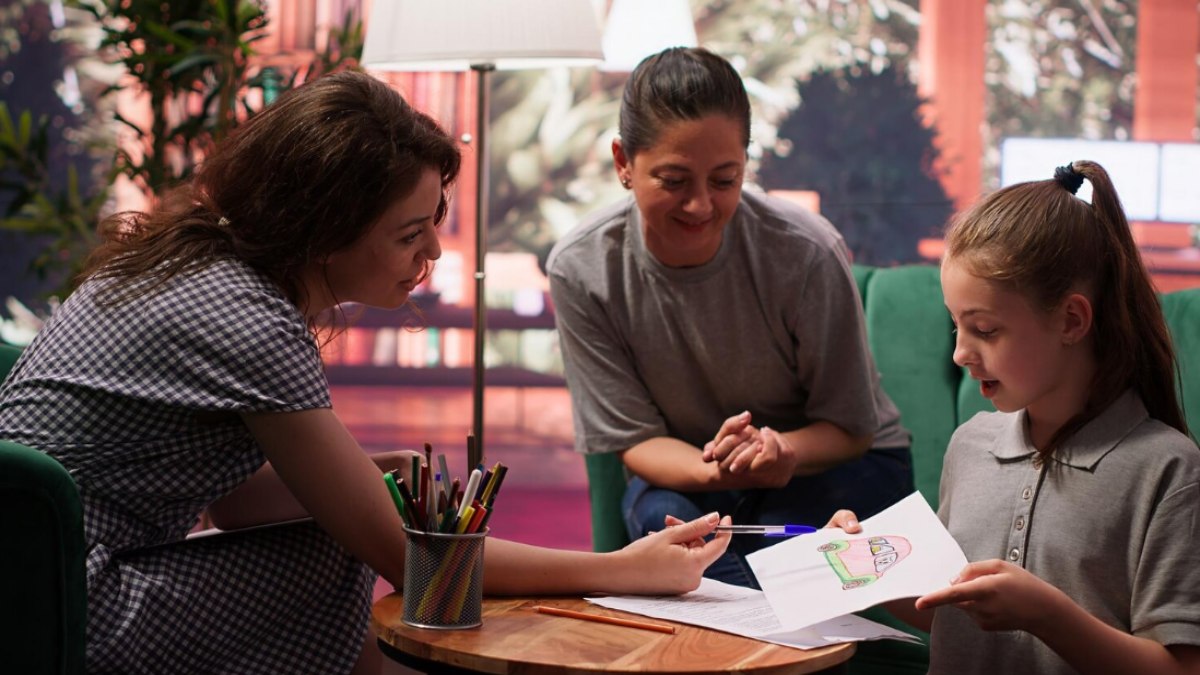
One of the most important foundations of a healthy parent-teacher relationship is open communication. Parents should feel comfortable asking questions about their child’s progress, behaviour, strengths and challenges. Teachers, in turn, should communicate important information clearly and respectfully. Communication does not need to happen only when there is a problem. Regular positive updates can help build trust and make difficult conversations easier when they become necessary.
Listening is just as important as speaking. Parents and teachers may sometimes have different perspectives about a child’s behaviour or academic performance. Instead of immediately becoming defensive, both sides can listen carefully to understand the situation. A teacher may notice learning patterns at school that parents do not see at home, while parents may have information about circumstances outside school that could help the teacher better understand the child.
Related Articles


Setting shared goals can also strengthen the relationship. Parents and teachers can discuss what they want the child to achieve academically and personally. Goals might include improving reading skills, becoming more organised, participating more confidently in class or developing better study habits. When everyone understands the desired outcome, it becomes easier to coordinate support.
Respect is essential, especially during disagreements. Parents may become concerned when their child receives a low grade or faces a behavioural issue, while teachers may feel pressure when their professional decisions are questioned. Approaching such situations calmly can prevent a disagreement from becoming a conflict. The focus should remain on finding a practical solution rather than determining who is at fault.
Parents can support teachers by reinforcing learning at home. This does not mean taking over the teacher’s role. Simple actions such as establishing a regular homework routine, encouraging reading, asking children about their school day and providing a suitable study environment can reinforce positive learning habits. Parents can also encourage children to take responsibility for their assignments rather than completing work on their behalf.
Related Articles


Teachers can strengthen the partnership by helping parents understand classroom expectations. Clear information about assignments, schedules, assessment methods and behavioural expectations can make it easier for families to support their children. When expectations are communicated consistently, children are less likely to receive confusing or contradictory messages.
Technology has made parent-teacher communication easier in many schools. Email, school portals, messaging platforms and virtual meetings can provide convenient ways to exchange information. However, digital communication should remain professional and respectful. Not every concern needs an immediate message, and sensitive matters may be better discussed through a private conversation or scheduled meeting.
It is also valuable to celebrate a child's strengths, not just focus on problems. A parent-teacher relationship can become stressful if communication happens only when a student is struggling. Sharing positive observations about improvement, creativity, kindness, participation or effort can encourage both parents and children. Recognition of progress can also motivate students to continue developing their skills.
When a child faces academic or behavioural difficulties, parents and teachers can work together to identify possible causes and practical strategies. Instead of labelling a child as lazy, difficult or incapable, adults can look for patterns and ask what support might help. This collaborative approach can make children feel supported rather than criticised.
Consistency between home and school can be particularly beneficial. If parents and teachers establish similar expectations around responsibility, respect, time management and effort, children receive clearer guidance. At the same time, families and schools should recognise that every child is different and may require individual approaches.
Building a strong parent-teacher relationship is an ongoing process rather than a single meeting. It develops through regular communication, mutual respect, active listening and a willingness to cooperate. Parents do not need to become teachers, and teachers do not replace parents. Instead, both can contribute their unique knowledge and experience.
Ultimately, the strongest parent-teacher partnerships are centred on the child rather than on disagreements between adults. When parents and teachers communicate effectively and work toward common goals, children are more likely to feel supported in their educational journey. A positive partnership can create a stronger connection between home and school and provide children with the encouragement they need to learn, grow and develop confidence.



Comments 0