
Social media has transformed the way people build, maintain and experience friendships. Platforms that allow users to share photographs, messages, videos and everyday updates have made it easier than ever to stay connected, even when friends live in different cities or countries. At the same time, constant digital communication can introduce new challenges, including misunderstandings, comparison, jealousy and pressure to remain available.
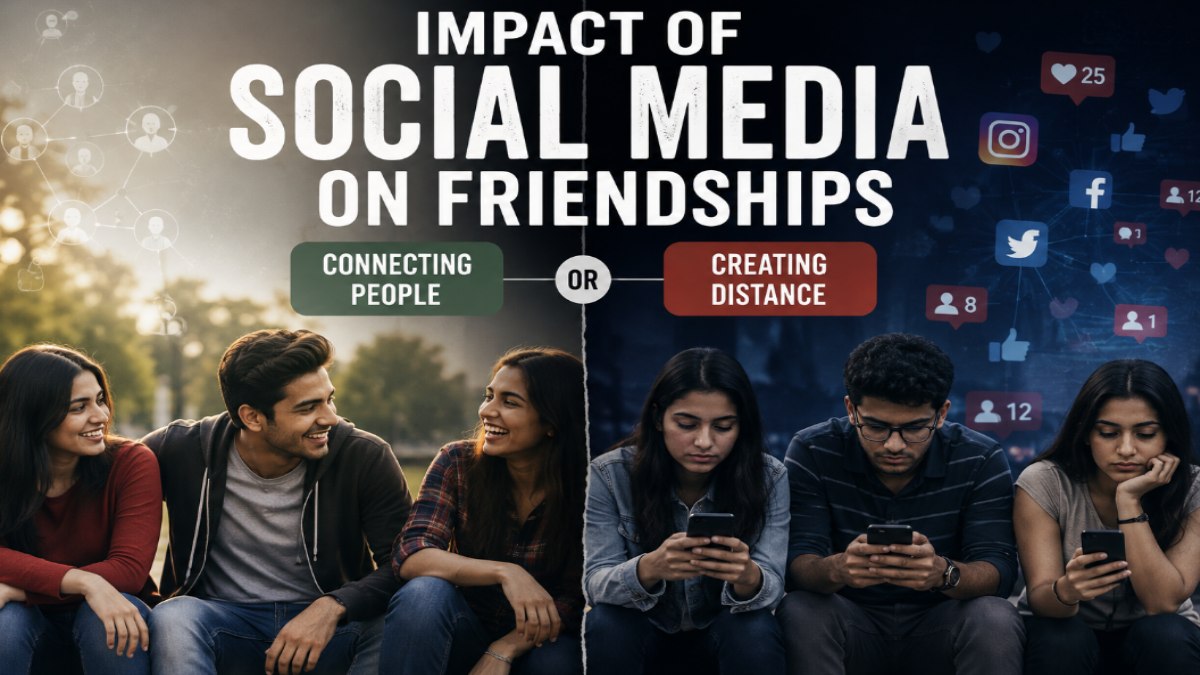
One of the biggest advantages of social media is its ability to reduce the distance between friends. A person can move to another city, change jobs or relocate to another country while continuing to communicate with their existing social circle. Messages, video calls, shared posts and group conversations can help friendships remain active despite physical distance. For people who struggle to meet friends regularly because of busy schedules, social media can provide an easy way to maintain contact.
Social media can also help people reconnect with friends from the past. Former classmates, colleagues and childhood friends can find each other through social networking platforms after years without communication. A simple message or comment can sometimes restart a friendship that had faded because of distance or changing circumstances.
Related Articles

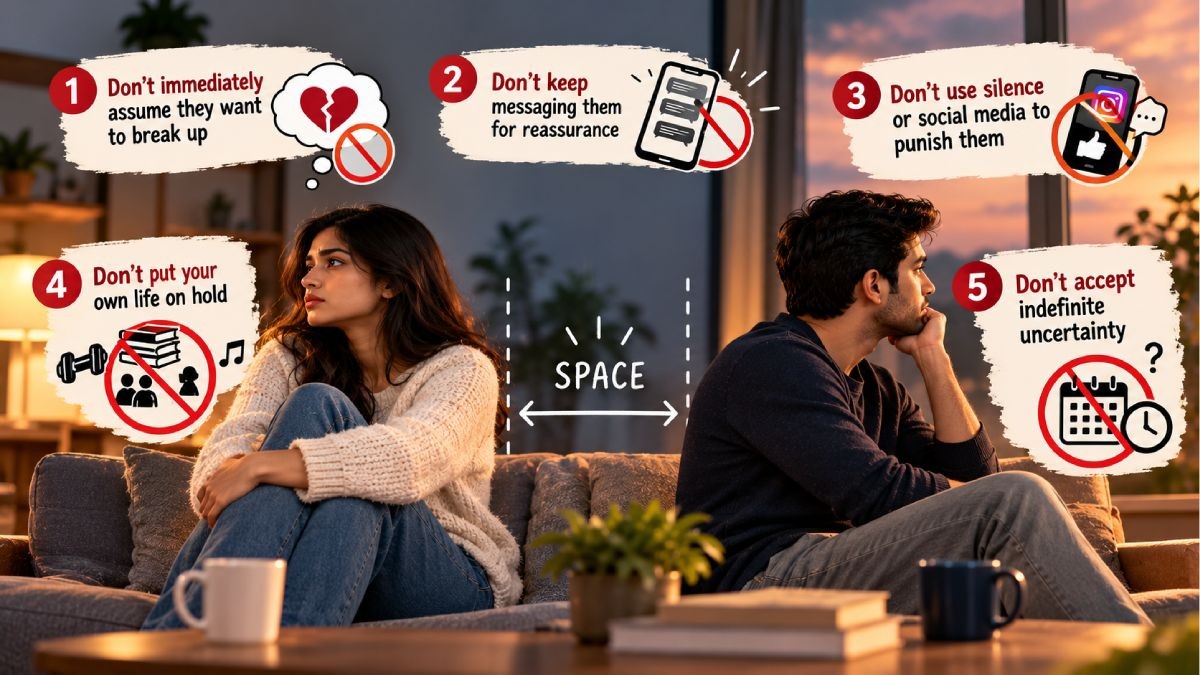
Another positive aspect is the ability to discover communities based on shared interests. People who may feel isolated in their offline environment can find others who share their hobbies, professional interests, creative passions or personal experiences. These online communities can develop into meaningful friendships, particularly when people interact regularly and provide genuine support.
However, social media can also create unrealistic expectations about friendships. People often post selected moments from their lives rather than showing the complete picture. Seeing groups of friends enjoying holidays, attending parties or celebrating milestones can make someone feel excluded or left behind. This can lead to comparisons and the mistaken belief that other people have happier or stronger friendships.
The pressure to respond immediately can be another source of tension. Read receipts, online status indicators and instant messaging can make people feel that they are expected to reply quickly. When a message is seen but not answered, the sender may interpret the delay negatively, even when there is a perfectly ordinary explanation. Digital communication often lacks the tone and body language that help people understand conversations in person.
Related Articles


Misunderstandings can therefore become more common. A short message may sound rude when the sender did not intend it that way, while a joke can be misunderstood without facial expressions or vocal tone. Arguments that might have been resolved through a brief conversation can sometimes become more complicated when they take place through text messages or public comments.
Social media can also affect the quality of face-to-face friendships. Constant phone use during meals, conversations or social gatherings can make friends feel ignored. Being physically present while mentally focused on notifications can reduce the sense of genuine connection. In some situations, people may communicate extensively online but struggle to have meaningful conversations in person.
Privacy and boundaries are equally important. Friends may have different ideas about what should be shared publicly. Posting photographs, conversations or personal details without permission can create discomfort and conflict. Respecting a friend's privacy means understanding that not everyone wants their life documented or discussed online.
Another challenge is the changing meaning of friendship itself. Social media encourages users to collect large numbers of followers, contacts or online connections. However, having hundreds of digital connections does not necessarily mean having hundreds of close friends. Meaningful friendships are usually built through trust, mutual support, shared experiences and emotional availability rather than simply through online interaction.
The healthiest approach is not necessarily to abandon social media but to use it consciously. People can benefit from setting boundaries around screen time, turning off unnecessary notifications and making room for offline interactions. Important conversations may be better handled through a phone call or face-to-face discussion rather than through a series of messages.
It is also useful to remember that social media provides only a partial view of other people's lives. A photograph or status update rarely tells the whole story. Avoiding constant comparison can help protect self-esteem and reduce unnecessary anxiety about the quality of one's own friendships.
Ultimately, social media is neither entirely good nor entirely bad for friendships. Its impact depends largely on how it is used. It can help people stay connected, discover supportive communities and maintain relationships across distance. But when digital interaction replaces genuine communication, encourages comparison or creates unrealistic expectations, it can weaken relationships.
Strong friendships can exist both online and offline. The most important factor is not how frequently friends like each other's posts or exchange messages, but whether they listen, support one another, respect boundaries and make time for meaningful connection. In an increasingly digital world, using social media as a tool for friendship rather than a substitute for friendship can help create healthier and more fulfilling relationships.



Comments 0