
Technology has transformed nearly every aspect of modern life, including the way people build, maintain and experience relationships. Smartphones, social media, messaging apps, video calls and online communities have made it easier than ever to communicate with partners, family members and friends. At the same time, constant digital connectivity can create new challenges, including distractions, misunderstandings, privacy concerns and emotional distance.
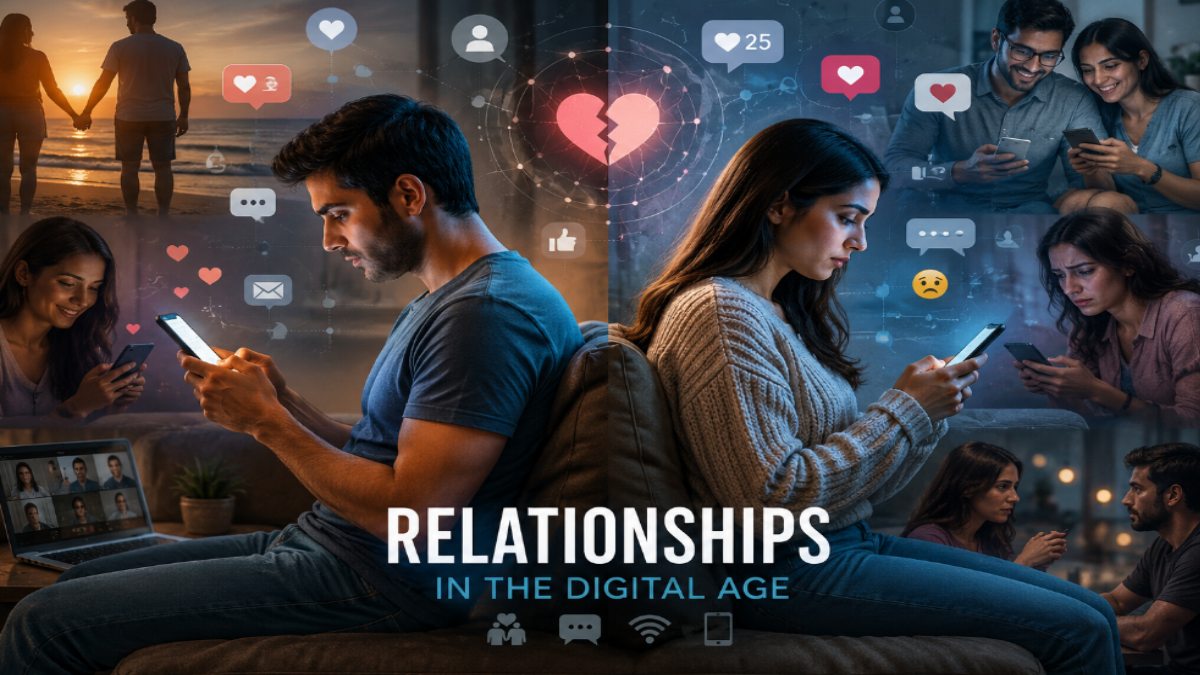
In the digital age, technology itself is neither entirely good nor bad for relationships. Its impact largely depends on how people use it and whether digital communication complements or replaces meaningful face-to-face interaction.
Technology Makes Communication Easier
One of the biggest benefits of technology is the ability to stay in touch regardless of physical distance. Messaging applications allow couples and friends to exchange updates throughout the day, while video calls can make conversations feel more personal when meeting in person is not possible.
Related Articles


For long-distance relationships, technology can be particularly valuable. Partners can share photos, send voice messages, watch movies together online or have regular video calls. Families separated by work, education or migration can also remain connected more easily.
Technology can therefore reduce the emotional effects of distance when people use it intentionally.
Social Media Can Influence Relationship Expectations
Social media has changed how people present their lives to others. Couples may share photographs, celebrations and milestones online, but these carefully selected moments do not necessarily represent the complete reality of a relationship.
Related Articles


Constant exposure to seemingly perfect couples can sometimes create unrealistic expectations. People may compare their relationships with what they see online and assume that others experience more romance, happiness or excitement.
It is important to remember that social media generally shows selected moments rather than the full picture. Healthy relationships are built on trust, communication and mutual respect not on likes, comments or public displays of affection.
Smartphones Can Become a Source of Distraction
Although smartphones make communication convenient, they can also interfere with meaningful conversations. Checking notifications during dinner, scrolling through social media while talking or repeatedly looking at a phone during quality time can make another person feel ignored.
Even when two people are physically together, excessive phone use can create a sense of emotional separation.
Creating technology-free periods can help. Couples, families and friends might choose to put their phones away during meals, conversations or special activities. These simple habits can create more opportunities for genuine interaction.
Digital Communication Can Cause Misunderstandings
Text messages are convenient, but they do not always communicate emotions accurately. Facial expressions, voice tone and body language are missing from most text-based conversations.
A short message may unintentionally sound rude, angry or dismissive. Similarly, delayed replies can sometimes cause unnecessary worry or insecurity.
When a conversation involves strong emotions or an important disagreement, speaking by phone or meeting in person may be more effective than exchanging a long series of messages.
Technology Can Help Couples Build Intimacy
Digital tools are not only useful for basic communication. They can also help people express affection and maintain emotional closeness.
A thoughtful message during a busy day, a shared playlist, a video call before bedtime or a digital photo album can become meaningful ways to stay connected.
Technology can also help couples coordinate everyday responsibilities. Shared calendars, shopping lists and reminder apps can make it easier to organize schedules and reduce misunderstandings about plans.
Privacy and Trust Matter
Technology has introduced new questions about privacy in relationships. Passwords, private messages, location sharing and social media activity can sometimes become sources of conflict.
Trust should not necessarily mean having unrestricted access to a partner's private accounts. Healthy relationships involve respecting personal boundaries while maintaining honesty and openness.
Problems can arise when technology is used for monitoring, controlling or constantly checking another person's activities. Couples should discuss digital boundaries and agree on what feels comfortable for both individuals.
Technology and Conflict Resolution
Arguments can become more complicated when they take place through text messages. People may respond impulsively, misunderstand statements or continue an argument long after emotions have intensified.
Taking a short break before responding can prevent unnecessary escalation. For serious disagreements, a face-to-face conversation or calm phone call may allow both people to communicate more clearly.
Technology can support conflict resolution when used wisely, but it should not become a substitute for empathy and active listening.
Finding a Healthy Digital Balance
The goal is not to eliminate technology from relationships. Instead, people should create boundaries that protect their personal connections.
Simple strategies can make a significant difference:
- Set aside regular screen-free time together
- Avoid checking phones during important conversations
- Use video calls to maintain long-distance relationships
- Discuss social media boundaries openly
- Avoid comparing your relationship with online content
- Respect each other's digital privacy
- Choose face-to-face conversations for sensitive issues
- Use technology to support, rather than replace, real-world interaction
The Future of Relationships in the Digital Age
As technology continues to evolve, relationships will continue to adapt. Artificial intelligence, virtual reality, wearable devices and increasingly sophisticated communication platforms may create new ways for people to interact.
However, the basic foundations of healthy relationships are unlikely to change. Trust, empathy, respect, honesty, affection and communication remain essential regardless of the technology people use.
Technology can bring people closer when it is used intentionally. It can also create distance when screens consistently take priority over the people around us.
The impact of technology on relationships in the digital age is complex. Digital tools have made communication faster, helped people maintain long-distance relationships and created new opportunities for connection. However, excessive screen use, social media comparisons, digital misunderstandings and privacy concerns can place pressure on relationships.
The healthiest approach is to use technology as a tool for connection rather than allowing it to become the center of the relationship. By setting boundaries, communicating openly and making time for genuine offline interaction, people can enjoy the advantages of technology while protecting the emotional connections that matter most.



Comments 0