
A breakup is one of the painful things you can do to people. Is my ex happier now? Have they moved on, Are they dating someone else? Do they miss me Did they recover faster than I did, These questions can be all the more difficult when social media provides a 24/7 window into another person’s life.

Therapist Jeff Guenther has stressed a critical point when talking about post-breakup recovery, healing is personal. How an ex is recovering, how well they are doing or how quickly they move on does not determine how one should feel or how long it will take for your own recovery to take.
A relationship ending is not a competition. There is no one timeline for feeling better and comparing your emotional progress with your former partner’s can make the tough experience more difficult.
Related Articles

Stop Using Your Ex as a Measuring Stick
One of the most common post-breakup behaviors is to visit an ex’s social media accounts. A new picture, holiday, achievement or relationship will make you think the other person is doing better.
But social media frequently does not reveal the whole story. Someone can appear happy online, but privately feel sad, uncertain or lonely. Or, they may actually do well and that still doesn’t mean you are doing anything wrong by needing more time.
Your recovery should be measured against your own starting point, not another person's apparent progress.
Related Articles


Healing Is Not a Race
People have a different reaction to breakups. One person may feel fairly well after a few weeks, another may take much longer to get over losing someone.
The length of a relationship, the circumstances of the breakup, emotional attachment, past experiences and resources of support can all affect recovery.
There is no need to reach a certain emotional milestone by a given date. Being sad a few months after a significant relationship ends does not mean you have not moved forward.
Healing is generally not linear. One day you might feel hopeful and the next you might feel emotional. And a difficult day doesn’t take away from the progress you’ve made.
Allow Yourself to Grieve
Even if the breakup is the right one, it involves genuine grief. Not only are you losing a romantic relationship but you are losing a common routine, future plans, social connections and a common feeling of identity.
Instead of trying to suppress difficult emotions immediately, give yourself permission to acknowledge them.
We need to journal and get our friends to talk to us and exercise, go outside and do something meaningful, if we are in a good place. The aim is not that the breakup wasn't that important but rather that our life doesn’t revolve around it.
Be Careful With Social Media
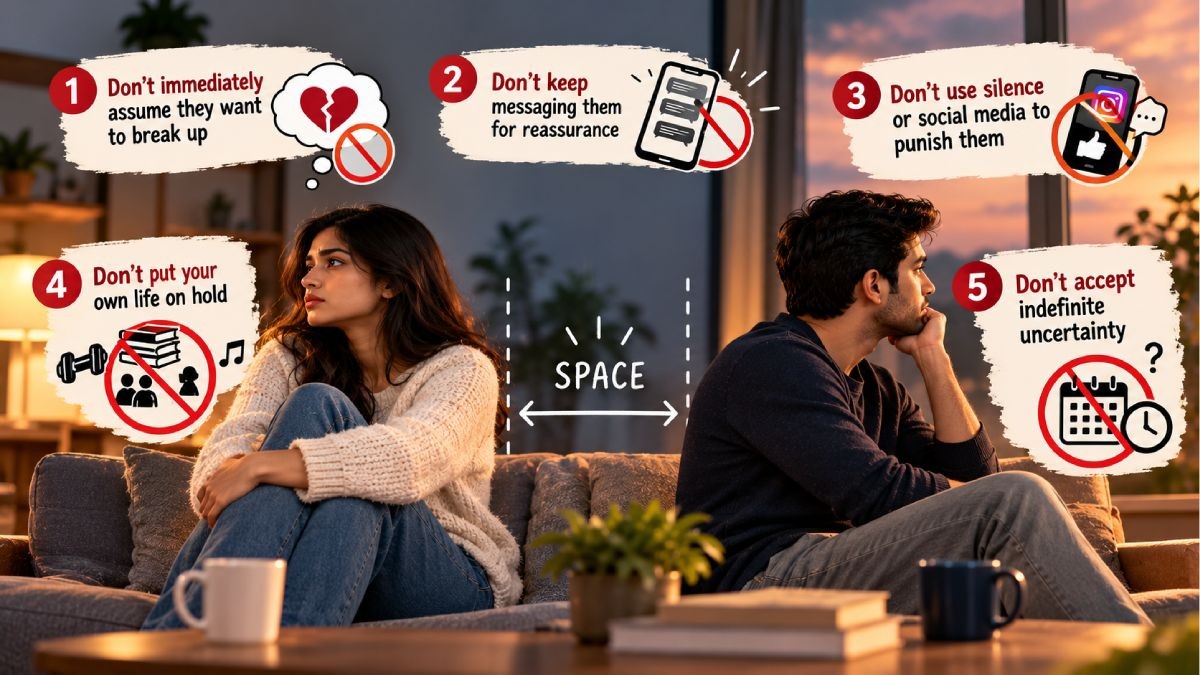
Social media can make post-breakup healing much more difficult. Checking an ex’s posts over and over again can only reinforce the emotional attachment and the comparison.
If it’s harder to recover from seeing their updates, block your ex if they keep coming back to you and you can’t help them. This is not hostility. It can be nothing more than a boundary that gives your mind space to change.
Similarly, don’t post to make your ex jealous or to demonstrate how well you’re doing. Recovery is healthier when your choices are about your health and not to communicate something to another person.
Reconnect With Yourself
Relationships can sometimes influence daily routines, friendships, hobbies and personal priorities. Recovering your individual identity after a breakup is a big part of recovery.
Return to activities you enjoyed doing before the relationship or explore interests you have always wanted to try. Spend time with people who make you feel loved and valued. Set up routines around sleep, exercise, work and self-care.
These are ordinary things but they help to keep things stable in your emotional life as you shift your life.
Don’t Turn the Breakup Into a Verdict on Your Worth
A relationship’s ending does not reveal that you are unlovable, inadequate or destined to be alone.
It can seem tempting to dissect every conversation and mistake and try to work out why the relationship failed. Reflection can be useful when it helps you recognize patterns or gain a healthier communication style. But endless self-blame can keep you stuck in the past.
Ask what you can learn rather than what is wrong with you.
Focus on What You Can Control
You cannot control whether your ex misses you, dates again, regrets the breakup or moves on quickly. You can control how you respond to the situation.
You can decide whether to check their social media. You can determine who you talk to. You can establish boundaries, seek professional support and build routines that will help you to rebuild your life.
And that shift from watching your ex to learning to understand yourself may be one of the most useful steps in recovery.
Seek Support When You Need It
Most people feel some kind of emotions when they have a breakup, but professional help can be particularly helpful when sadness, anxiety or hopelessness are overwhelming and interfere with daily life or impact routine.
A therapist can provide a neutral space where the problem is brought out and the relationship can be dealt with, emotional patterns can be identified and healthy coping strategies developed.
Ultimately, post-breakup healing is not about proving that you are doing better than your ex. It is about gradually coming back to your own life again.
Your former partner’s timeline is theirs. Your emotions are yours. You don’t need to get better faster, be happier or move on first. You can heal at your own pace, learn from the experience and build a future that’s meaningful regardless of what your ex is doing.



Comments 0