
Friendships can be some of the most meaningful relationships in our lives. Good friends can provide emotional support, encouragement, laughter and companionship through different stages of life. However, even strong friendships can experience misunderstandings, disagreements and hurt feelings. One reason is that people communicate in different ways.

Understanding communication styles can help friends recognize why conversations sometimes go smoothly and why they occasionally become difficult. Communication is not only about the words we use; it also involves tone, body language, listening, emotional awareness and the willingness to understand another person's perspective.
What Are Communication Styles
A communication style is the way a person typically expresses thoughts, feelings, needs and opinions while interacting with others. People may develop communication habits based on their personality, upbringing, experiences and environment.
Related Articles

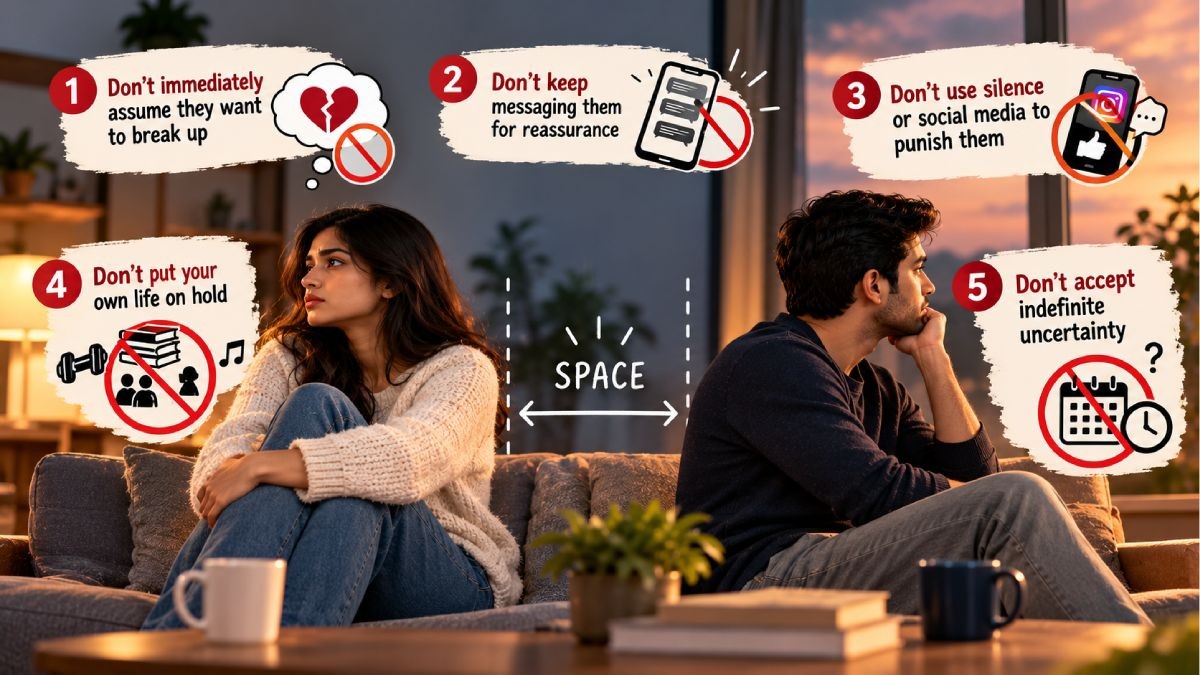
Communication styles are not permanent labels. A person may communicate assertively in one situation but become passive or defensive in another, particularly when they feel stressed or emotionally vulnerable.
Recognizing these patterns can help friends communicate more effectively.
1. Assertive Communication
Assertive communication is generally considered a healthy approach because it allows people to express themselves clearly while respecting others.
Related Articles


An assertive friend can say, "I felt hurt when our plans were changed without telling me," rather than blaming or attacking the other person. This approach focuses on expressing feelings and needs without turning the conversation into a personal criticism.
Assertiveness also involves listening. A person can stand up for their boundaries while remaining open to the other friend's perspective.
2. Passive Communication
A passive communicator may avoid expressing their genuine feelings or needs because they do not want to create conflict or disappoint someone.
For example, a friend might repeatedly agree to plans they do not actually enjoy or say everything is fine despite feeling upset. While this may appear peaceful in the short term, unexpressed feelings can eventually lead to frustration or resentment.
Friends can support passive communicators by creating an environment where disagreement is acceptable and different opinions can be expressed without fear of rejection.
3. Aggressive Communication
Aggressive communication involves expressing feelings or opinions in a way that disregards another person's boundaries or feelings. This can include shouting, insults, threats, excessive criticism or attempts to dominate a conversation.
Disagreements are normal in friendships, but aggression can damage trust and make people feel unsafe or unheard.
Instead of responding aggressively, it can help to pause the conversation, calm down and return to the issue when everyone is ready to communicate respectfully.
4. Passive-Aggressive Communication
Passive-aggressive communication can be more difficult to recognize because negative feelings may be expressed indirectly. Examples might include deliberate avoidance, sarcasm, intentionally withholding information or agreeing to something while later undermining it.
This style can create confusion because the real issue may never be discussed openly.
If you sense tension in a friendship, asking a calm and direct question can be more productive than responding to indirect behaviour with more indirect behaviour.
5. Direct and Reserved Communication
Some people prefer direct conversations and want to address problems immediately. Others need time to process their emotions before discussing an issue.
Neither preference automatically represents poor communication. Problems can occur when friends assume that their preferred style is the only appropriate one.
A direct communicator can learn to give a more reserved friend time to think, while the reserved friend can communicate that they need space rather than simply disappearing from the conversation.
Listening Is Just as Important as Speaking
Effective friendship communication involves more than expressing yourself. Listening is equally important.
Active listening means giving the other person your attention, avoiding unnecessary interruptions and trying to understand what they mean before preparing your response. Asking questions such as, "Do you want advice, or do you just want me to listen" can also prevent misunderstandings.
Sometimes a friend does not need a solution. They simply want to feel heard.
How Communication Styles Affect Friendships
Different communication styles can influence trust, emotional closeness and conflict resolution. When friends communicate openly, they may find it easier to discuss boundaries, expectations and misunderstandings.
Poor communication, on the other hand, can allow small problems to become larger ones. Assuming what another person thinks, avoiding difficult conversations or constantly suppressing emotions can gradually create distance.
Healthy friendships do not require perfect communication. They require a willingness to repair misunderstandings and learn from them.
Tips for Improving Communication With Friends
Start by becoming aware of your own communication habits. Notice whether you tend to avoid conflict, become defensive, interrupt others or struggle to express your needs.
Use "I" statements when discussing sensitive subjects. Saying "I felt left out when..." can be less confrontational than "You always leave me out."
Choose an appropriate time for serious conversations. If either person is extremely angry or overwhelmed, taking a short break may make the discussion more productive.
Most importantly, respect boundaries. Friends do not have to agree about everything, and healthy communication does not mean forcing someone to share more than they are comfortable discussing.
Building Stronger Friendships Through Communication
Every friendship has its own communication rhythm. Some friends talk every day, while others can go weeks without speaking and still feel connected. What matters is whether both people feel respected, valued and understood.
Learning about communication styles can help friends move beyond assumptions and recognize that people express care, frustration and affection in different ways. With honesty, active listening, empathy and appropriate boundaries, communication can become one of the strongest foundations of a lasting friendship.
A healthy friendship is not one without disagreements. It is one where both people can communicate through those disagreements with respect and make space for each other's thoughts and feelings.



Comments 0