
The Kashi Vishwanath Temple in Varanasi, Uttar Pradesh, has a special place in Hindu spirituality. The temple dedicated to Lord Shiva is one of the most worshipped pilgrimage sites in India and attracts devotees from all parts of the country and around the world. It lies on the western bank of the holy river Ganga, which symbolizes the spiritual bond between the divine and human life.
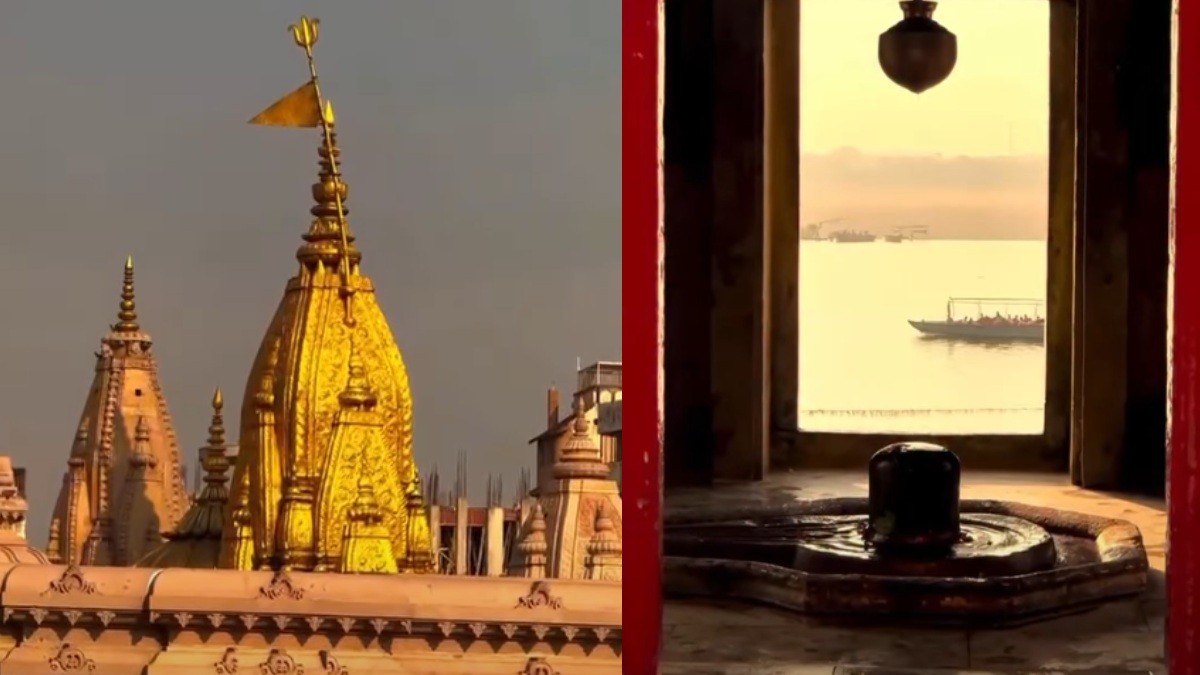
For many of the Hindus, it is not a religious trip to Kashi as much as a spiritual one. It is a chance to pray to Lord Shiva, to be in the spiritual atmosphere of an ancient city and learn at the same time from life in general.
1. The manifestation of Lord Shiva’s divine presence.
The Kashi Vishwanath Temple is dedicated to Lord Shiva, worshipped here as Vishwanath, meaning Lord of the Universe. Shiva is transformation in Hinduism, destruction of ignorance and path to spiritual awakening.
Related Articles

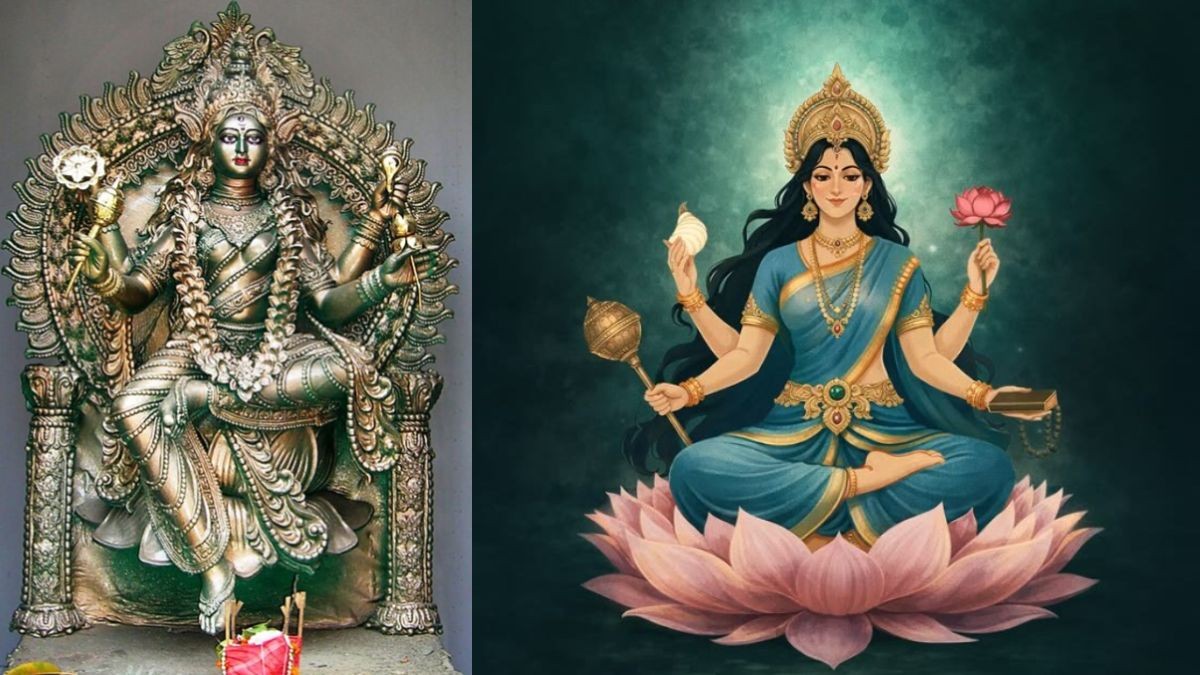
People visit the temple to offer prayers, perform rituals and seek blessings for peace, prosperity and spiritual progress. The sacred Shiva Lingam is the central object of worship and symbolizes the divine presence of Lord Shiva.
Prayers at this temple increase believers’ faith and their spiritual connection.
2. One of the twelve Jyotirlingas
One of the most important reasons for the temple’s importance is to be associated with the twelve Jyotirlingas of Lord Shiva. The sacred shrines of Shiva are thought to be manifestations of Shiva’s divine light.
Related Articles
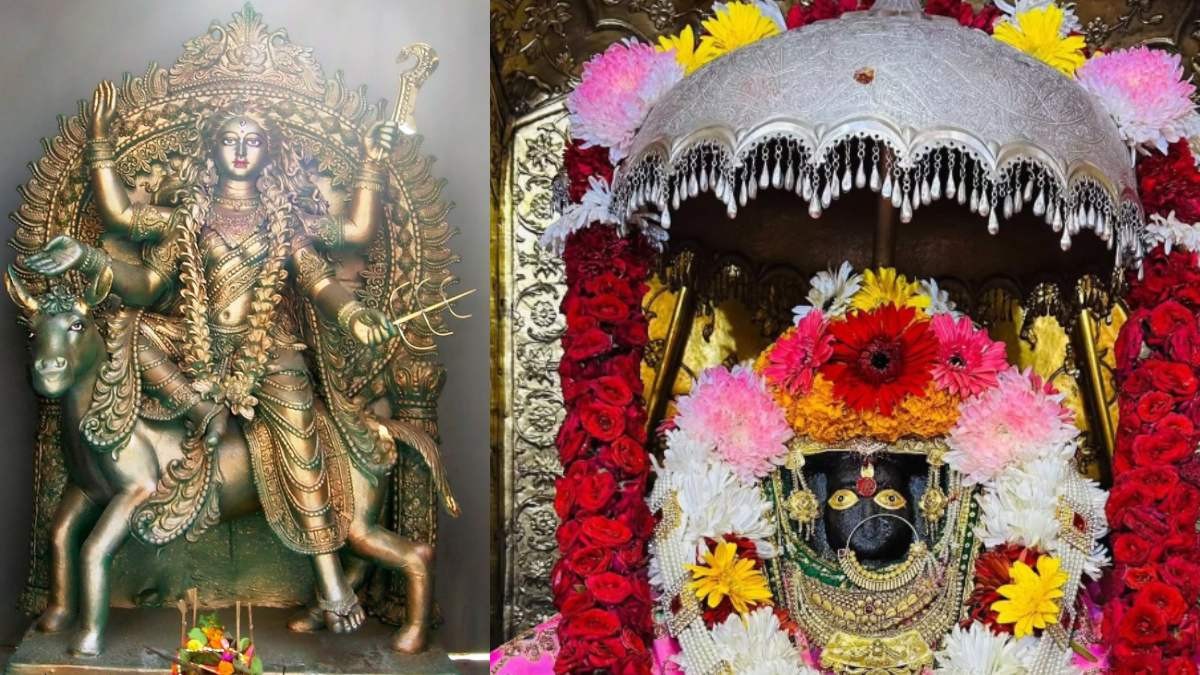

Kashi Vishwanath is one of the twelve revered pilgrimage places. Most devotees consider visiting a Jyotirlinga an important part of their spiritual journey.
The temple’s link to Jyotirlinga tradition makes it special to Shiva devotees who travel long distances to offer prayers and participate in religious ceremonies.
3. Kashi and the belief in Moksha
Varanasi, traditionally known as Kashi, is very special in Hindu religious thought. And it is a city of moksha (liberation from the cycle of birth and death).
According to Hindu faith, Kashi is blessed by Lord Shiva and dying in this holy city is traditionally linked to the possibility of spiritual liberation. This faith has attracted pilgrims, saints and spiritual seekers to Varanasi for centuries.
For the devotees, the Kashi Vishwanath Temple is a place of hope, divine grace and spiritual freedom that can go beyond the attachments of the world and into spiritual freedom from this world.
4. The Sacred Connection with River Ganga.
The temple’s proximity to the Ganga gives it another dimension of spiritual importance. The Ganga is a holy river in Hindu culture and purifies the river and provides for blessings and renewal in Hinduism.
Many pilgrims like to combine a temple visit with a ritual bath or prayers along the river as well as prayers along the river with their personal beliefs and religious practices and so on.
The experience of visiting the temple, listening to devotional chants and seeing ceremonies along the ghats brings out the spiritual aspect to people visiting it.
5. Ancient Centre of Faith and Devotion.
Varanasi is among India’s oldest continuously inhabited cities and was a major centre of Hindu education, philosophy, music and religious practice.
The Kashi Vishwanath Temple has been destroyed and rebuilt numerous times throughout its life. The present temple is closely connected to the reconstruction of the temple which Maharani Ahilyabai Holkar took over in 1780.
Despite the historical struggles, the city's dedication to Lord Vishwanath is still at the core of religious life. The temple is open to pilgrims who come to ask for blessings and spiritual inspiration.
6. The spiritual experience of visiting Kashi Vishwanath.
Visiting the temple can be done by darshan of Shiva Lingam, chanting sacred prayers, participating in worship and exploring the surrounding spiritual landscape of Varanasi.
For many devotees, it inspires humility, gratitude and reflection. The sound of temple bells, a smell of incense and a collective prayer atmosphere can make the pilgrimage very meaningful.
The temple’s rules, local customs and religious significance of the site should be respected.
Conclusion
The Kashi Vishwanath Temple is one of Hinduism’s most sacred pilgrimage places as it has been associated with Lord Shiva, the Jyotirlinga tradition, the spiritual significance of Kashi and the sacred Ganga.
The temple and history of the temple is beyond the architecture and history: it symbolizes faith, devotion and the search for liberation. For millions of believers, going to Kashi Vishwanath is one of the most personal spiritual experiences of theirs and one of the most precious spiritual experiences one can have, because every visitor is able to pray and seek the blessing of Lord Shiva.



Comments 0