
Navratri is a festival of divine power and spiritual wisdom and good over evil and it is the ninth day of Navratri that is celebrated. Maha Navami is known as the day when devotees pray to Goddess Siddhidatri, as she is the ninth manifestation of Goddess Durga.
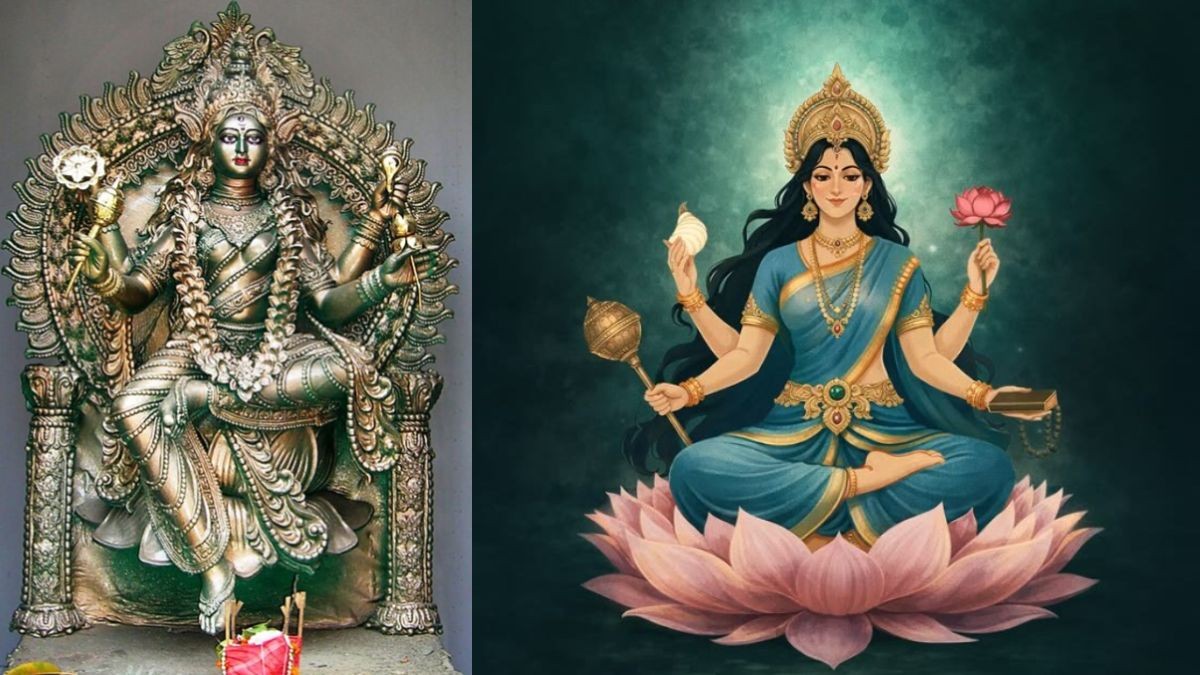
Maha Navami is going to be the last time for the faithful to think about their faith, to thank God and to bring positive energy into their life.
Who is Goddess Siddhidatri?
Goddess Siddhidatri is worshipped on the ninth day of Navratri. The name is associated with the granting of siddhis (spiritual and extraordinary abilities) in Hindu belief.
Related Articles

She is usually depicted sitting on a lotus or riding a lion, four hands holding a lotus, a mace, a discus and a conch. Her divine form represents wisdom, completeness, compassion and spiritual fulfilment.
Maa Siddhidatri Mantra
ॐ देवी सिद्धिदात्र्यै नमः॥
Om Devi Siddhidatryai Namah॥
Related Articles
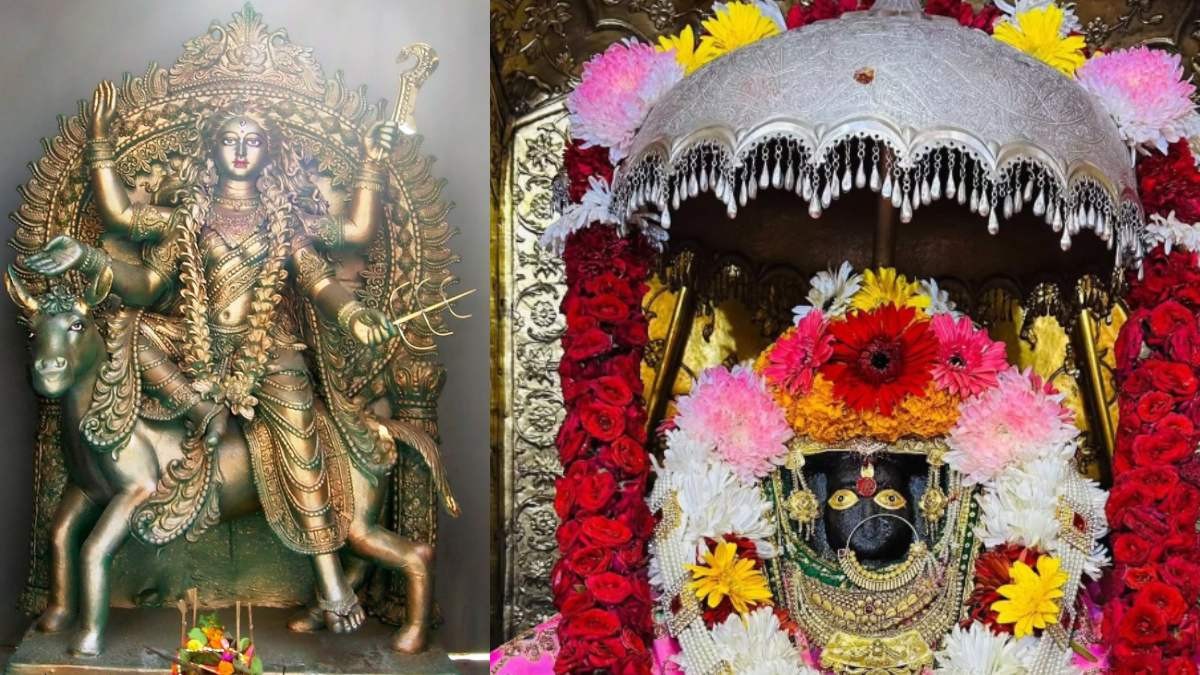

Meaning: I bow to Goddess Siddhidatri, the divine giver of spiritual accomplishments, wisdom and fulfilment.
Devotees say that when a person worships Maa Siddhidatri sincerely, negativity is pushed aside and a connection with the divine is strengthened.
Significance of Maha Navami
Maha Navami is the culmination of nine days of Goddess Durga’s different forms. Each day of Navratri is dedicated to a Goddess’ manifestation and is the end point to courage, purity, wisdom and inner strength.
The ninth day is so important to them as they want spiritual development and spiritual blessings for their families. It is also associated with the victory of divine power over evil; truth is the same as right and righteousness.
Although the rituals vary across India, devotion, prayer and gratitude are at the heart of the celebration; faith and gratitude are the core of the celebrations.
Maa Siddhidatri Puja Vidhi
Devotees generally start the day by waking up early, bathing and cleaning the puja area. An image or idol of Goddess Siddhidatri is placed in a clean place and decorated with flowers.
Common puja practices include:
-
Lighting a diya and offering incense.
-
Offering flowers, fruits, sweets and other traditional bhog.
-
Reciting Durga mantras, prayers or the Durga Saptashati, according to family tradition.
-
Performing aarti and praying for the well-being of loved ones.
-
Observing a fast according to personal health, family customs and religious practice.
Many households also perform Kanya Puja and honour young girls as symbols of the Goddess. Food, gifts and blessings may be given as part of this ritual.
Kanya Puja and the Spirit of Generosity
Kanya Puja is an important tradition associated with Ashtami or Navami depending on regional and family customs. Young girls are welcomed with respect and offered a traditional meal (puri, chana and halwa).
The ritual corresponds to the belief that the divine feminine is a worthy one to worship and that kindness, humility and generosity should be inherent to everyday life.
Spiritual Message of the Ninth Day
Maha Navami allows us to look beyond rituals to a person’s growth. The worship of Maa Siddhidatri shows Hindus how to be kind and compassionate and that we must learn to be grateful for it.
As Navratri’s nine days come to a close, devotees can carry these values into their daily lives as well, helping others, practising patience and choosing positivity over negativity.
Conclusion
Navratri Day 9 celebrates Maa Siddhidatri and the spiritual significance of Maha Navami. Through prayers, fasting, Kanya Puja and acts of kindness, people express their faith and ask for divine blessings. The festival is very much more than the temple and everybody should develop their inner strength, kindness and righteousness at all times and never forget this in their lives.



Comments 0