
The seventh day of Navratri is especially significant to the devotees as their seventh form of goddess Durga is Maa Kalaratri and her appearance is a manifestation of her ferocity and protectiveness.
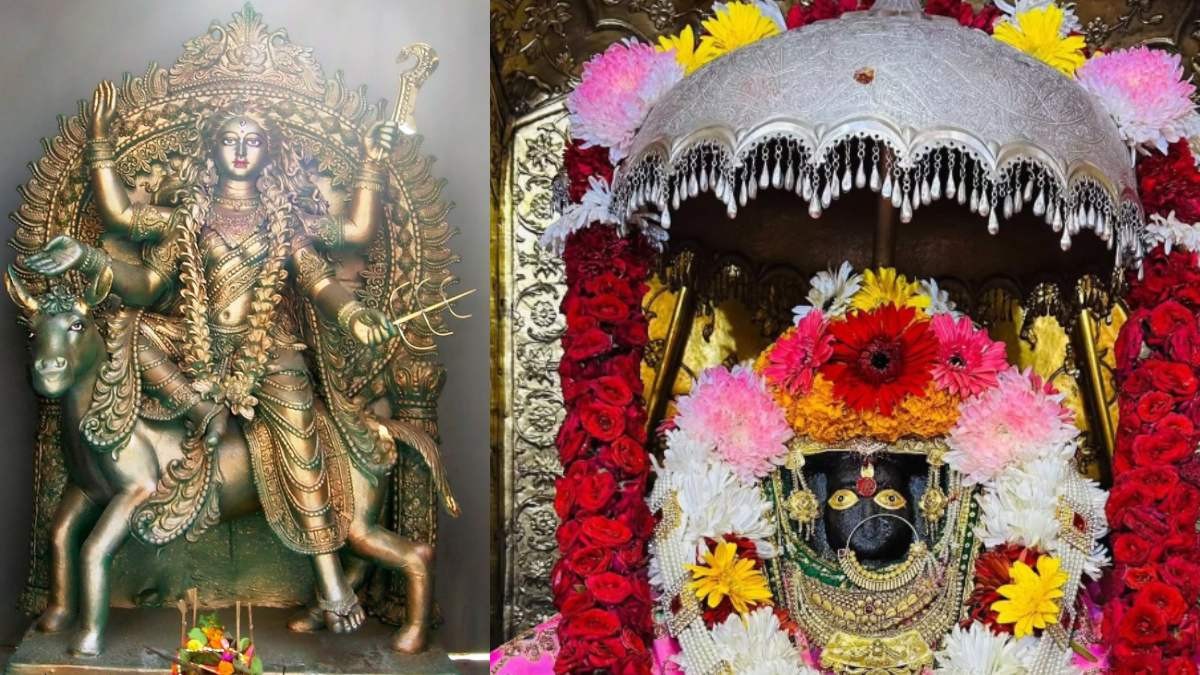
Although Maa Kalaratri may look fearsome, she is a compassionate mother who protects her devotees and leads them into courage, wisdom and spiritual growth. The seventh day is the one that makes me come to faith in the divine power in that I can push myself.
Who is Maa Kalaratri?
Maa Kalaratri is one of the nine forms of Goddess Durga, collectively known as Navdurga. Her name comes from Kaala, meaning time or darkness and Ratri, meaning night.
Related Articles

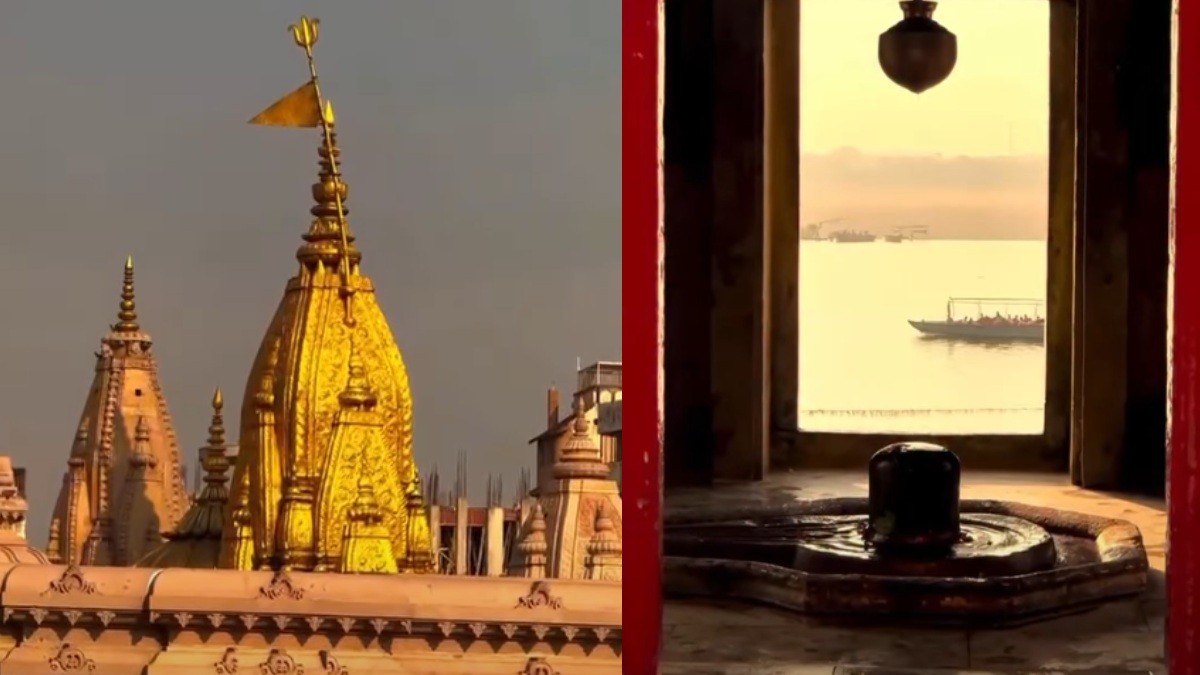
According to traditional depictions, the goddess has a dark complexion, dishevelled hair and three eyes. She rides a donkey and is shown with four hands, carrying weapons in two hands and blessing and protection with the others.
She’s also known as Shubhankari, and this is also the one who brings auspiciousness. With worship she proves to people that divine strength can overcome even the most difficult challenges.
For the spiritual significance of the Seventh Day
Maa Kalaratri is a goddess of ignorance and fear and is worshipped to destroy this. Spiritually, this day prompts devotees to look in the mirror and see the thinking and habits that are preventing personal development.
Related Articles
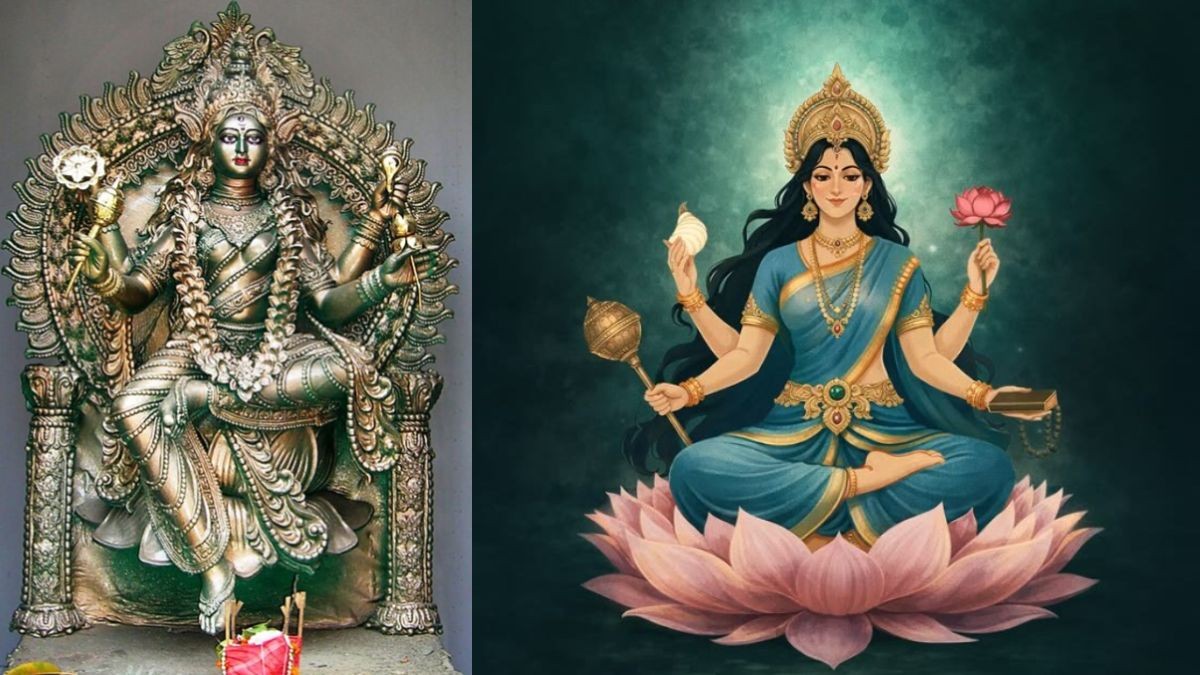

In her fierce form, she is the manifestation of courage to face difficult situations rather than avoid them. Devotees say that prayer to the goddess provides protection, confidence and peace of mind.
The day also serves as a reminder that darkness is not permanent. And when faith, patience and determination are there, people can find strength in trials and tribulations.
Maa Kalaratri Puja Vidhi
Devotees begin the day by bathing, cleaning the prayer area and preparing the altar with an image or idol of the goddess. A lamp is lit and flowers, incense and the traditional offerings are offered with devotion.
Many devotees recite Durga mantras, read religious texts and perform the aarti of Maa Kalaratri. In addition, family members can also observe a fast according to their customs and health requirements.
A commonly recited mantra is:
Om Devi Kalaratryai Namah.
Devotees chant the mantra to signal their reverence and to gain the help of the goddess. Rituals and offerings may differ from region to region and family tradition.
What is offered to Maa Kalaratri?
Jaggery and sweets made of jaggery are usually offered as bhog to Maa Kalaratri. Flowers and other traditional food may also be offered according to local customs.
Grey is associated with the seventh day in many popular Navratri colour calendars. It is a symbol of balance, strength and the ability to face uncertainty. But colour traditions also vary between regions and calendars.
The Message of Maa Kalaratri
The spiritual message of the seventh day goes beyond rituals. Maa Kalaratri inspires devotees to face their fears, let go of harmful thoughts and make a decision to deal with life’s challenges and have courage in the face of life.
As Navratri approaches its final days, her worship inspires more faith, inner growth and the hope for change and transformation can be felt in oneself as well.
Day 7 is a time for devotees to seek divine protection, to feel gratitude and to become more committed to a more peaceful, meaningful life.



Comments 0