
A lot of people dream of having a single food that will melt away weight. No food is able to “burn fat all by itself,” but the most nutrient-rich foods can help with a healthy metabolism and satiety, and help with weight management if the diet is balanced and the diet should consist of enough food and enough sleep. Protein, fiber, healthy fats or other compounds can be present and can slightly increase energy expenditure or decrease overeating.
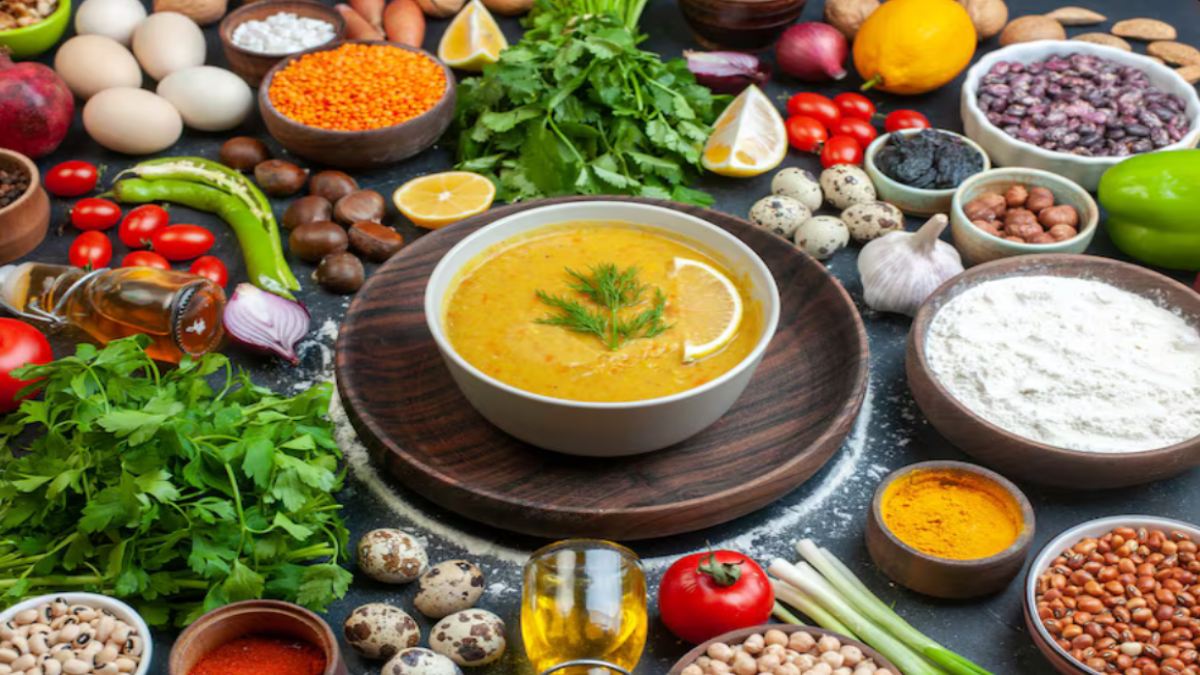
The key to sustainable weight loss is eating the right things, and refueling your body with good food. If you have to go on a crash diet and a miracle diet and are not using highly processed foods as a substitute for eating healthy stuff (you can lose weight naturally), then a healthy diet will really help you.
1. Eggs
Eggs are one of the most nutrient-rich foods. They are loaded with high-quality protein, vitamins, and healthy fats and are the best for breakfast or any meal. Protein digestion takes longer than carbohydrates and therefore you are more likely to be full for a longer time and therefore less likely to snack.
Related Articles


Some studies have shown that eating a protein-rich breakfast may decrease hunger throughout the day and make calorie intake difficult to control. Eggs are versatile and can be made in many ways.
2. Green Tea
Long-standing weight management benefits from green tea and its natural antioxidants (catechins, mainly catechins) and moderate caffeine content. These compounds may slightly boost metabolism and make the body use stored fat as energy for physical activity.
The effect of replacing sweetened beverages with unsweetened green tea on weight loss is small but could be a healthy diet for those who have a serious health concern (besides weight loss) with a green tea drink is also good to drink regularly.
Related Articles


3. Greek Yogurt
Greek yogurt is rich in protein and contains good probiotics, which help promote gut health. A healthy digestive system may be helpful in nutrient absorption and overall wellness.
Protein is a great protein for muscles and losing weight without losing muscle. This is because muscle burns more calories than fat tissue even at rest. Choose plain unsweetened Greek yogurt and add fresh fruit or nuts for extra nutrition.
4. Fatty Fish
Salmon, sardines, mackerel, and tuna are all high in protein and omega-3 fatty acids that are good for the heart and may reduce inflammation throughout the body.
Eating fatty fish makes it easy to stick to a balanced eating plan as fatty fish is very satisfying and its hunger relief between meals and thus will make you less hungry so that you can keep a balanced diet. Including fish two to three times a week is recommended as part of a healthy diet.
5. Chili Peppers
Chili peppers contain capsaicin, a natural compound for spicy flavor. Some studies have suggested that capsaicin may increase calorie burning and reduce appetite in certain people.
There is little to no effect on flavor and adding chili peppers or spices to meals can add some flavor without a lot of calories, and healthier cooking habits can be encouraged.
6. Berries
Blueberries, strawberries, raspberries, and blackberries are low in calories but high in fiber, vitamins, and antioxidants. Fiber slows digestion and promotes fullness which means sugar-laden snacks will not be as satisfying.
Berries also are sweet and provide nutrients and have a high-calorie substitute for high-calorie desserts.
7. Leafy Green Vegetables
Spinach, kale, lettuce, and other leafy greens are extremely low in calories but full of vitamins, minerals, and dietary fiber.
These vegetables add volume to meals without significantly increasing calorie intake. Filling half your plate with vegetables can help satisfy hunger while supporting healthy digestion and long-term weight management.
8. Nuts
Almonds, walnuts, pistachios, and cashews are rich in healthy fats, protein, and fiber. Although they are calorie-dense, moderate portions can actually support weight management because they help control hunger.
Research has shown that people who regularly eat appropriate portions of nuts as part of a balanced diet often maintain healthier body weights than those who avoid them completely. A small handful makes an ideal snack.
9. Oats
Oats are a whole grain packed with soluble fiber, particularly beta-glucan, which helps slow digestion and stabilize blood sugar levels.
Oatmeal helps to alleviate mid-morning hunger and last longer. Oatmeal and fresh fruits should be in our breakfast for a balanced breakfast to fuel healthy eating.
10. Legumes
Beans, lentils, chickpeas, and peas are good plant-based protein sources with fiber and complex carbohydrates. They can be eaten very slowly so the whole body is still full for a longer period.
Legumes also help heart health because they provide key nutrients like iron, magnesium, and folate. Using them in soups, salads, curries, or grain bowls can make meals more satisfying without excessive calories.
Healthy Habits Matter More Than Individual Foods
Although these foods can help metabolism and weight management, no single component can replace healthy habits. Fat loss is only possible through the development of a normal eating pattern that provides enough nutrition but still provides a reasonable calorie deficit when weight loss is a goal.
As with regular physical exercise strength training and cardiovascular exercise it’s also important. Training in resistance training stimulates resting energy expenditure while aerobic exercise promotes calorie burning and cardiovascular health.
Another often-neglected factor is good enough sleep. Poor sleep can lead to changes in hormones that control hunger and thus there are more cravings and overeating. Mindfulness, yoga, meditation, or hobbies can also reduce emotional eating.
Hydration is just as significant as drinking water is simply necessary as well. Drinking enough water is essential for healthy metabolism, digestion, and overall body function. In certain cases, thirst can also be mistaken for hunger, leading to unnecessary snacking.
Foods to Limit
When we are looking at healthy food, we should also avoid highly processed food (sugary beverages, refined carbohydrates, and saturated fats), which are highly calorie-dense and often less filling, and therefore easier to consume more calories than desired.
Instead of banning the foods one just likes and never eating again, moderation and mindful eating is a much more sustainable way to eat and keep going for a long time, not for a few months.
The notion of fat-burning foods is realistic in real-world terms. Eggs, green tea, Greek yogurt, fatty fish, berries, leafy greens, oats, legumes, nuts, and chili peppers don’t melt body fat directly, but they help you speed up metabolism, provide satiety, and help you maintain a healthy lifestyle.
Long-term success is based on marrying these healthy foods with regular exercise, good sleep, stress management, and healthy eating habits. Instead of chasing quick changes, a balanced lifestyle is the safest and most effective way to get and keep weight on a healthy scale.
Hence, in case of a medical condition, pregnancy, or any dietary requirement, a qualified healthcare professional or registered dietitian should consult with you before any major change of diet or weight loss strategy.




Comments 0