
Your skin is the body's largest organ and serves as a protective barrier against the outside world. Healthy, glowing skin isn't achieved through expensive products alone—it also depends on your daily habits and lifestyle choices. Certain factors can gradually damage your skin, leading to premature aging, dryness, acne, pigmentation, and loss of natural radiance. Understanding these common skin enemies can help you protect your complexion and maintain healthy skin for years to come.
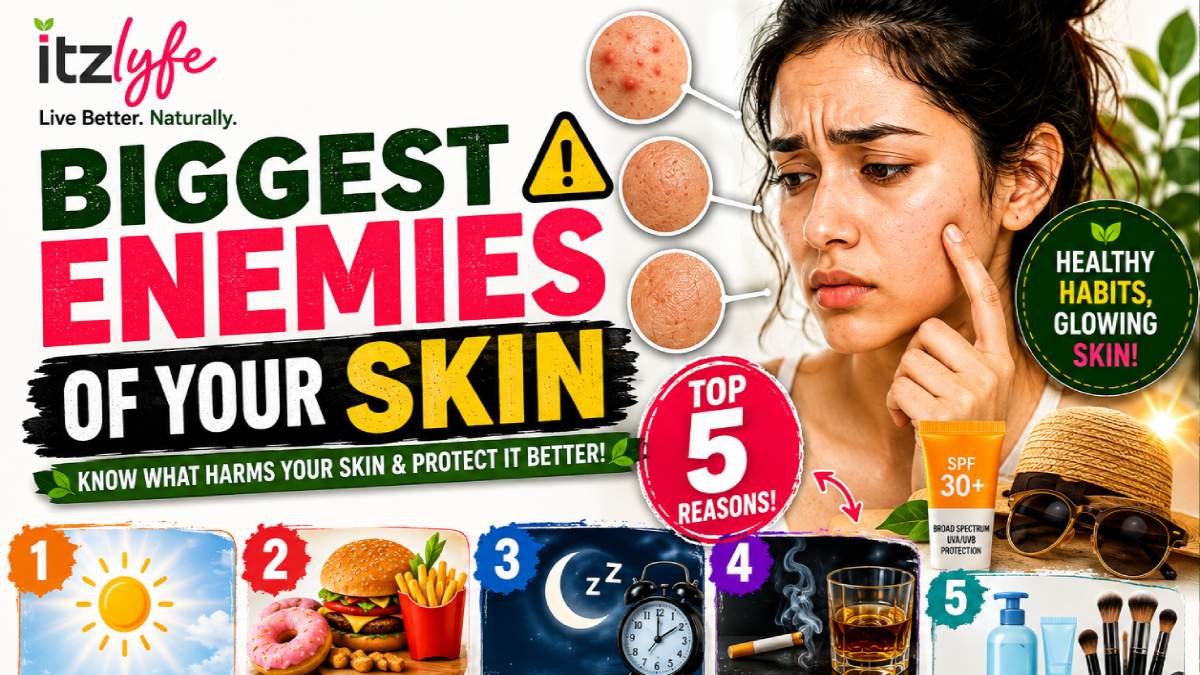
One of the biggest threats to healthy skin is excessive sun exposure. Ultraviolet (UV) rays from the sun can damage collagen and elastin, the proteins responsible for keeping skin firm and youthful. Over time, prolonged sun exposure may cause wrinkles, dark spots, uneven skin tone, and increase the risk of skin cancer. Dermatologists recommend applying a broad-spectrum sunscreen with SPF 30 or higher every day, even on cloudy days, and wearing protective clothing, sunglasses, and hats when outdoors.
Another common enemy is an unhealthy diet. Regularly consuming large amounts of sugary drinks, processed foods, fried snacks, and unhealthy fats may contribute to inflammation and breakouts in some individuals. While everyone's skin responds differently to food, a balanced diet rich in fruits, vegetables, whole grains, lean protein, healthy fats, and antioxidant-rich foods supports overall skin health. Nutrients such as vitamins A, C, E, zinc, and omega-3 fatty acids help maintain healthy, glowing skin.
Related Articles

Lack of sleep can also affect your skin's appearance. During sleep, the body repairs and regenerates skin cells. Consistently getting too little sleep may leave your skin looking tired, dull, and puffy while reducing its natural ability to recover from daily environmental stress. Most adults should aim for 7–9 hours of quality sleep each night to support both skin health and overall well-being.
Smoking and excessive alcohol consumption are also harmful to the skin. Smoking reduces blood flow to the skin, depriving it of oxygen and essential nutrients, while also accelerating collagen breakdown, leading to premature wrinkles and loss of elasticity. Excessive alcohol intake can contribute to dehydration, leaving the skin looking dry, tired, and less vibrant. Reducing or avoiding these habits can have noticeable benefits for both your skin and your general health.
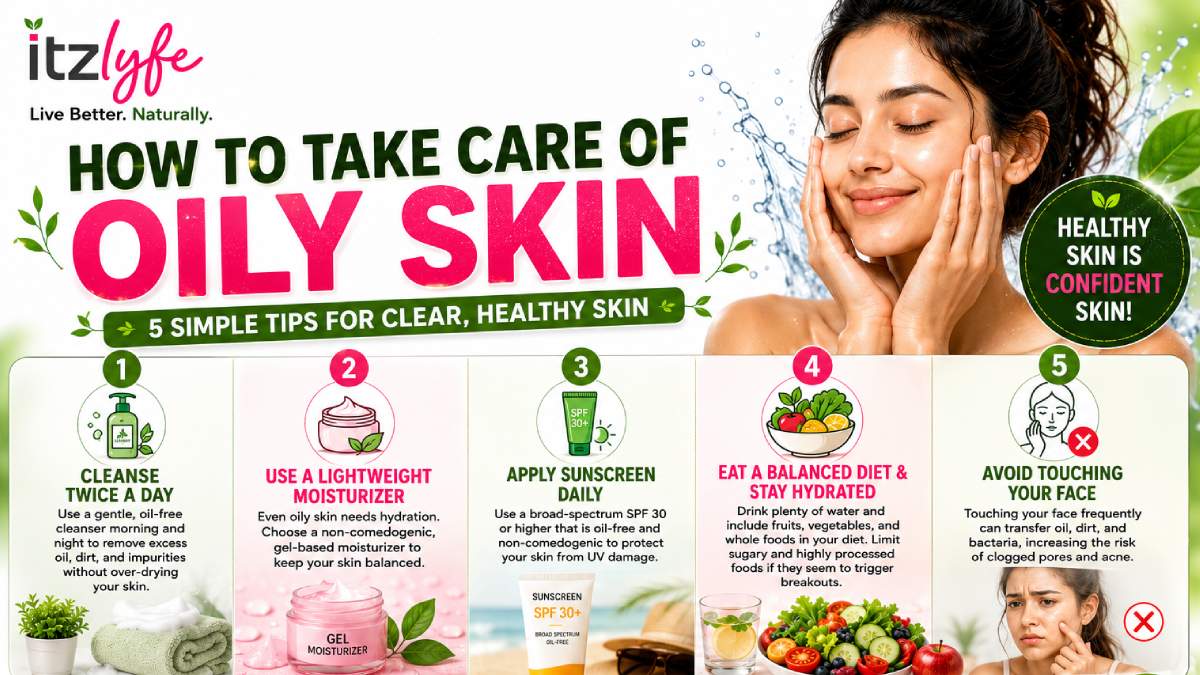
Finally, neglecting a consistent skincare routine can lead to clogged pores, dryness, irritation, and acne. Going to bed without removing makeup, skipping cleansing, forgetting moisturizer, or avoiding sunscreen can gradually affect your skin's health. A simple daily routine that includes gentle cleansing, moisturizing, and sun protection is often enough to keep most skin types healthy. Those with specific skin concerns may benefit from consulting a dermatologist for personalized recommendations.
Related Articles


Healthy skin is built through consistent daily habits rather than quick fixes. Protecting your skin from the sun, eating nutritious foods, getting enough sleep, avoiding smoking and excessive alcohol, and following a simple skincare routine can significantly improve your skin's appearance and overall health over time. Small lifestyle changes made today can help keep your skin clear, healthy, and glowing for years to come.




Comments 0