
When it comes to skincare, one of the most common debates is whether fruit-based skincare is better than chemical skincare products. Many people believe that natural ingredients are always safer, while others trust scientifically formulated skincare products for faster and more targeted results. The truth is that both approaches have their advantages and limitations, and the best choice depends on your skin type, concerns, and how the products are used.
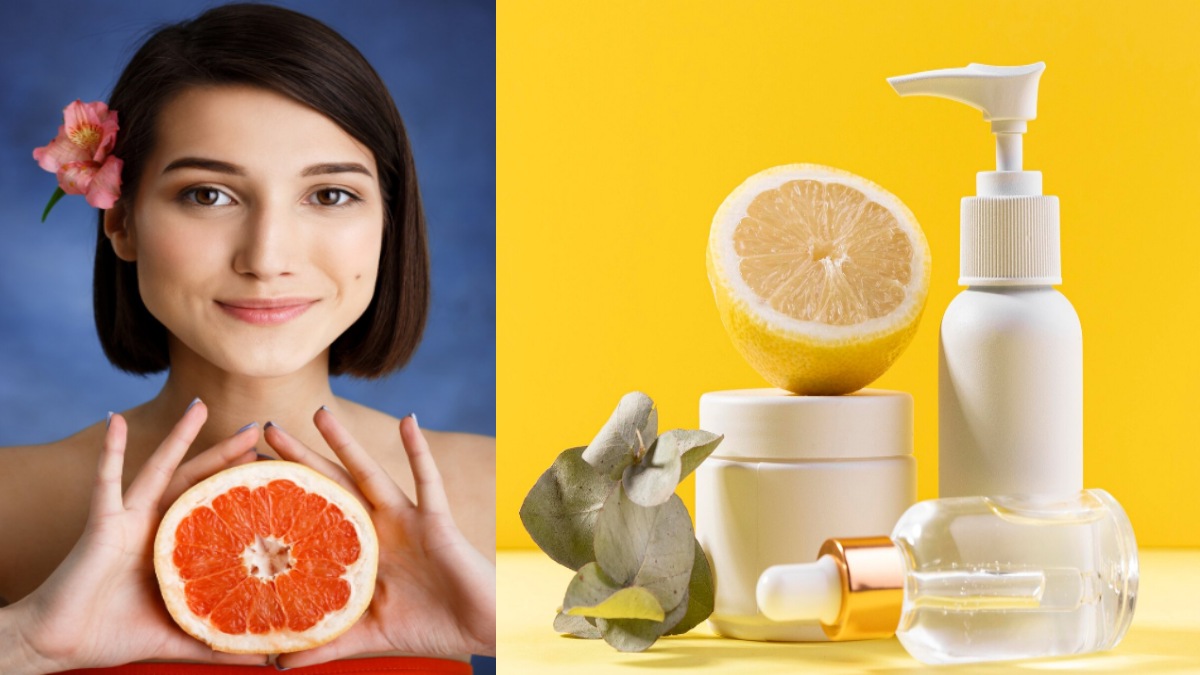
It's also worth noting that the term "chemical products" can be misleading. Everything in skincare including water and naturally derived ingredients is made of chemicals. In everyday language, people often use the term to describe laboratory-formulated skincare products. Many of these products contain ingredients that have been extensively researched for safety and effectiveness when used as directed.
Understanding the differences between fruit-based skincare and formulated skincare products can help you build a routine that supports healthy, glowing skin.
Related Articles

What Is Fruit-Based Skincare
Fruit-based skincare includes products or home remedies made with fruits such as papaya, banana, avocado, cucumber, strawberries, oranges, tomatoes, and pomegranate. These fruits naturally contain vitamins, antioxidants, minerals, and water that may support skin health.
Commercial fruit-based skincare products often extract beneficial compounds from fruits and combine them with other ingredients to improve stability and performance.
Benefits of Fruit-Based Skincare
Rich in Vitamins and Antioxidants
Many fruits contain nutrients that help support healthy skin.
Related Articles


For example:
- Vitamin C (found in citrus fruits and berries) supports collagen production and helps protect against oxidative stress
- Vitamin A precursors in some fruits contribute to healthy skin renewal
- Vitamin E in avocado helps nourish the skin
- Polyphenols and other antioxidants may help protect the skin from environmental damage
Hydration
Fruits with high water content, such as cucumber and watermelon, can provide a refreshing, hydrating effect when included in skincare products.
Gentle Cleansing
Certain fruit enzymes, such as papain from papaya and bromelain from pineapple, are used in some skincare formulations to provide gentle exfoliation.
Limitations of DIY Fruit Remedies
Although fresh fruits contain beneficial compounds, applying raw fruit directly to the skin is not always ideal.
Potential drawbacks include:
- Skin irritation
- Allergic reactions
- Inconsistent concentrations of active ingredients
- Poor stability
- Risk of contamination
Citrus fruits, in particular, may increase the risk of skin irritation or phototoxic reactions when exposed to sunlight.
For these reasons, dermatologists often recommend using properly formulated skincare products rather than homemade mixtures.
What Are Formulated Skincare Products
Modern skincare products are developed using carefully measured active ingredients that are tested for stability, effectiveness, and safety.
Common scientifically studied ingredients include:
- Retinoids
- Niacinamide
- Hyaluronic acid
- Ceramides
- Salicylic acid
- Glycolic acid
- Azelaic acid
- Vitamin C derivatives
- Peptides
These ingredients are selected to target specific skin concerns such as acne, hyperpigmentation, dryness, wrinkles, or sensitivity.
Benefits of Formulated Skincare Products
Evidence-Based Ingredients
Many skincare ingredients have been studied in clinical research and shown to improve specific skin concerns when used appropriately.
Consistent Results
Unlike homemade remedies, commercial products contain standardized concentrations of active ingredients, helping provide more predictable performance.
Better Stability
Many active ingredients are sensitive to air, light, and temperature. Commercial formulations are designed to keep these ingredients stable and effective for longer.
Targeted Treatment
Formulated skincare products can address specific concerns such as:
- Acne
- Fine lines
- Uneven skin tone
- Hyperpigmentation
- Dryness
- Sensitive skin
- Excess oil production
Are "Chemical" Products Harmful
Not necessarily.
The word "chemical" often creates unnecessary fear. In reality, every skincare ingredient is a chemical substance, whether it comes from a plant or is made in a laboratory.
What matters most is:
- Product safety
- Appropriate formulation
- Suitable concentration
- Proper usage
- Compatibility with your skin type
Many dermatologist-recommended skincare products contain ingredients with excellent safety profiles when used as directed.
Which Option Is Better
There is no universal winner.
Fruit-Based Skincare May Be Suitable If You:
- Prefer naturally derived ingredients
- Have relatively healthy skin
- Want mild hydration and antioxidant support
- Choose professionally formulated products containing fruit extracts
Formulated Skincare Products May Be Better If You Have:
- Acne
- Melasma
- Hyperpigmentation
- Rosacea
- Eczema
- Signs of aging
- Persistent skin concerns
For these conditions, evidence-based ingredients often provide more reliable results than homemade fruit remedies.
Can You Combine Both
Absolutely.
A balanced skincare routine can include:
- A gentle cleanser
- Fruit-derived antioxidant products
- Moisturizer
- Broad-spectrum sunscreen (SPF 30 or higher)
- Targeted treatments recommended by a dermatologist
This combination allows you to enjoy the benefits of naturally derived ingredients while addressing specific skin concerns with clinically studied actives.
Tips for Choosing the Right Skincare
- Identify your skin type before buying products
- Introduce new products one at a time
- Perform a patch test before regular use
- Avoid using too many active ingredients simultaneously
- Wear sunscreen every day
- Consult a dermatologist if skin problems persist
A personalized routine is often more effective than following trends.
The choice between fruit-based skincare and formulated skincare products is not an either-or decision. Fruit-derived ingredients can provide hydration, antioxidants, and gentle skin support, especially when included in well-formulated products. Meanwhile, scientifically developed skincare products offer targeted, evidence-based solutions for concerns such as acne, pigmentation, and signs of aging.




Comments 0