
Oily skin can have plenty of advantages, including a naturally luminous appearance and, for some people, fewer visible signs of dryness. However, excess oil can make makeup challenging to manage. Foundation may separate, concealer can crease, and unwanted shine can appear only a few hours after applying makeup.

This is where a good primer for oily skin can make a difference. Primer creates a base between skincare and makeup, helping foundation apply more evenly and, depending on its formulation, helping control excess shine.
Not every primer is suitable for oily skin, though. Choosing the right formula and applying the appropriate amount are both important. Here are seven types of primers worth considering if you regularly deal with excess oil.
Related Articles

1. Mattifying Primer
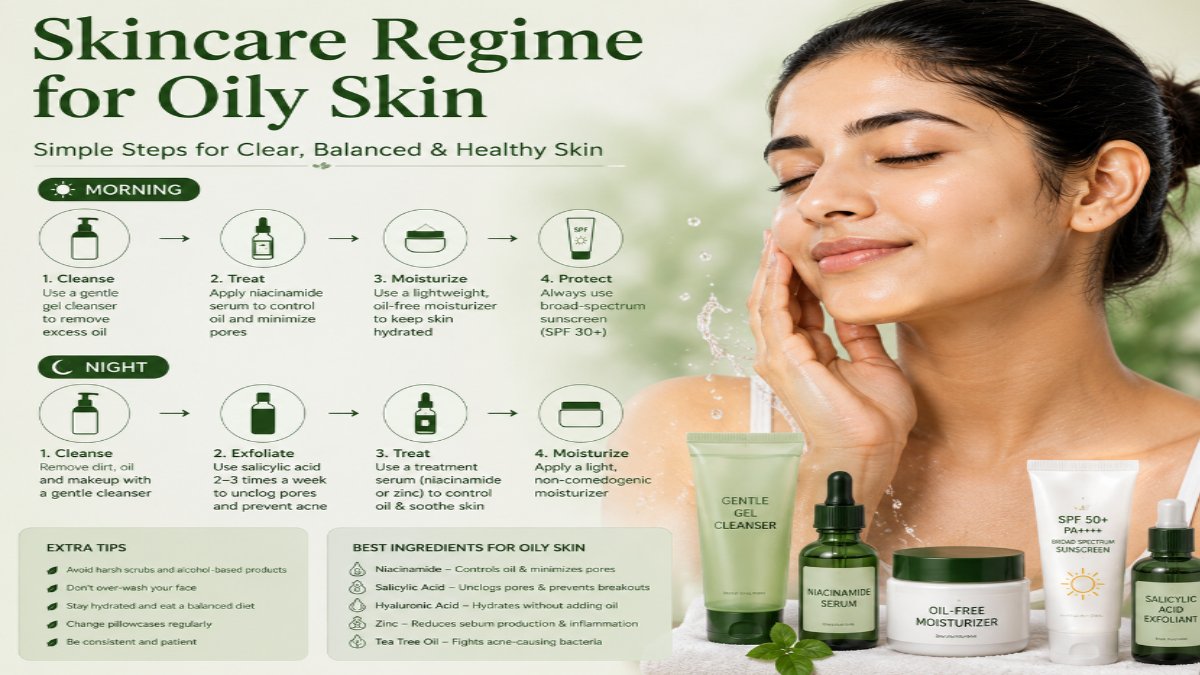
A mattifying primer is one of the most obvious choices for oily skin.
These formulas are designed to reduce the appearance of shine and create a more matte-looking base. They can be particularly useful around the forehead, nose and chin, where oil production may be more noticeable.
Avoid applying a thick layer over the entire face if you only experience oiliness in certain areas. Targeting the oily zones can help your makeup look more natural.
Related Articles

2. Pore-Blurring Primer
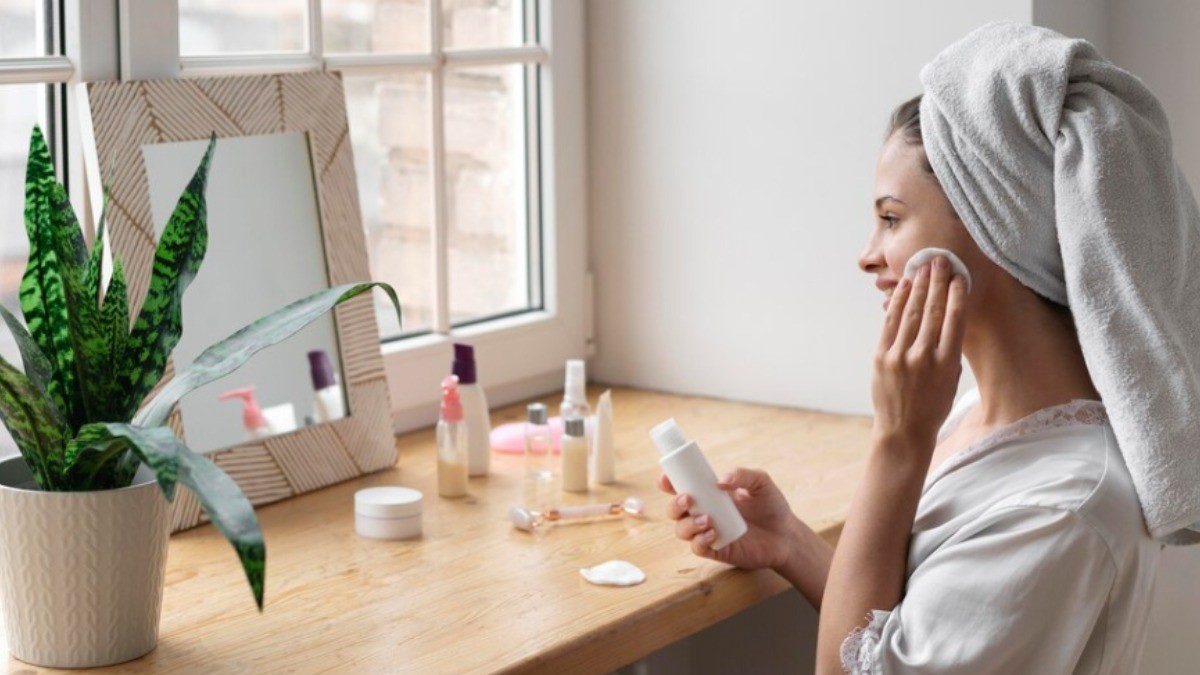
If enlarged-looking pores are another concern, consider a pore-blurring primer.
These primers often have a soft, smoothing texture that can visually minimize the appearance of pores and create a more even surface for foundation.
Rather than rubbing the product vigorously into the skin, gently press or smooth a small amount over areas where pores are most visible.
3. Lightweight Gel Primer
A lightweight gel primer can be a good option for people who dislike heavy or creamy products.
Gel textures can feel comfortable on oily skin, particularly in warm or humid weather. Look for a formula that dries down without leaving an excessively slippery or greasy finish.
A lightweight primer can also be useful if you prefer sheer or medium-coverage foundation.
4. Oil-Control Primer
An oil-control primer is specifically designed for people who want to manage excess shine.
When choosing one, check the ingredient list and consider how your skin reacts to the formula. Ingredients that help absorb or reduce the appearance of surface oil may improve makeup longevity.
However, extremely aggressive oil-control products can sometimes feel drying or irritating. Oily skin still needs appropriate hydration.
5. Long-Wear Primer
If your biggest issue is makeup disappearing throughout the day, a long-wear primer may be worth trying.
These formulas are designed to improve how well makeup stays in place. They can be particularly useful for long office days, weddings, parties or events where frequent touch-ups are inconvenient.
Pair a long-wear primer with a foundation that is also appropriate for your skin type for the best results.
6. Blurring Matte Primer
A blurring matte primer combines two popular benefits: shine reduction and a smoother-looking complexion.
This type of primer can be useful if you want your foundation to appear more even while reducing the visibility of pores and texture.
Use a small amount and focus on areas where you need smoothing. Too much primer can cause foundation to pill or separate.
7. Makeup-Gripping Primer
Some primers are formulated to create a slightly tacky surface that helps makeup adhere.
A gripping primer can be useful for oily skin when foundation tends to move throughout the day. The key is allowing the primer to settle according to the product's instructions before applying foundation.
If you notice pilling, experiment with using less product or allowing more time between skincare, primer and makeup.
How to Apply Primer Correctly
Even the best primer won't perform well if it is applied incorrectly.
Start with clean skin and use your regular lightweight moisturizer and sunscreen during the daytime. Give skincare enough time to settle before applying primer.
Use a small amount of primer usually a pea-sized quantity is sufficient for the face and focus on areas that become oily or where makeup tends to fade.
Wait briefly before applying foundation, following the product's instructions.
Don't Skip Moisturizer Because You Have Oily Skin
One common misconception is that oily skin does not need moisturizer.
In reality, oily skin can still become dehydrated. Skipping moisturizer may leave the skin feeling uncomfortable and can interfere with makeup application.
Choose a lightweight, non-comedogenic moisturizer if that suits your skin, and follow with sunscreen during the day.
Choose Products Based on Your Skin, Not Just Reviews
Online reviews can be helpful, but everyone's skin behaves differently.
Climate, hormones, skincare routines, foundation formulas and individual skin characteristics can all affect how a primer performs.
If you're acne-prone or sensitive, check the ingredients and introduce new products gradually. Stop using a product if it causes significant irritation.
Finding the right primer can make makeup application easier for people with oily skin. Mattifying, pore-blurring, lightweight gel, oil-control, long-wear, blurring matte and gripping primers each offer different benefits.
The goal isn't necessarily to remove every trace of natural shine. Instead, choose a formula that helps your makeup stay comfortable and even while allowing your skin to look like skin.
Use a small amount, focus on oily areas and avoid layering too many products. Most importantly, remember that oily skin still needs hydration and daily sun protection.
With the right combination of skincare, primer and foundation, you can create a polished makeup look that lasts comfortably throughout the day.




Comments 0