
The beauty world is moving away from the bold candy-pink cheek looks that dominated makeup trends in recent years, and the more understated look of the anti-blush trend is in place.
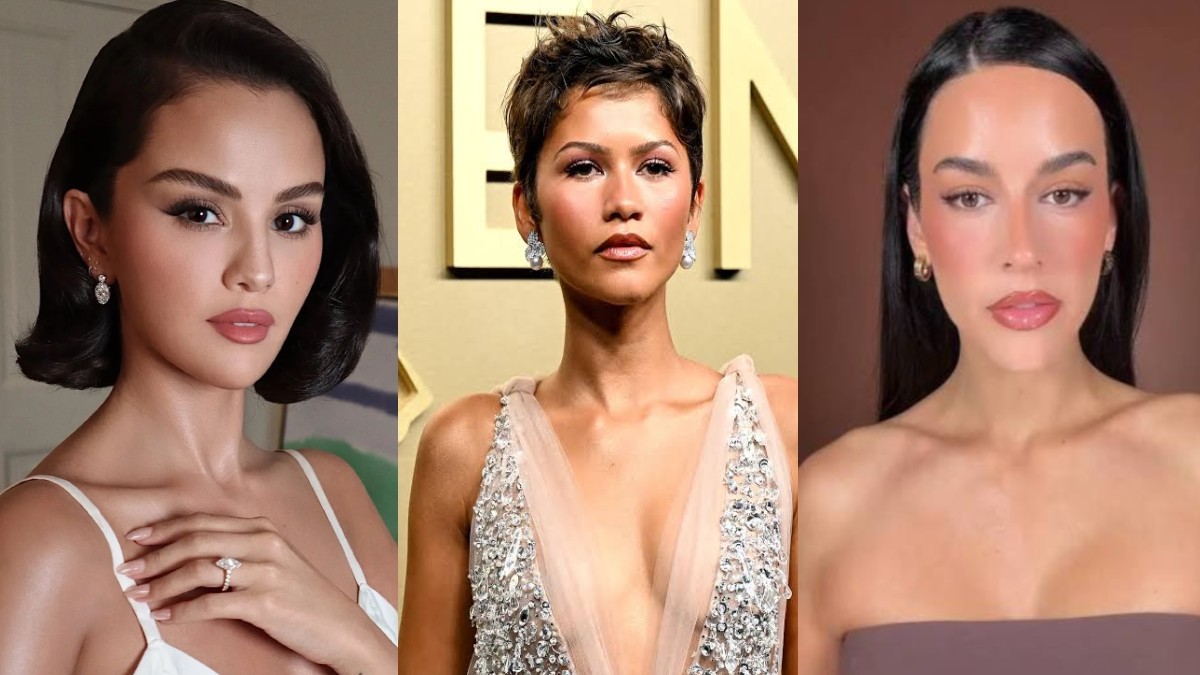
Instead of bright pinks, corals and reds, beauty lovers and makeup producers prefer muted, skin-adjacent colors such as warm browns, taupes, dusty mauves, beige and subdued terracotta. It is a softer cheek look which adds warmth and definition without looking flushed.
And anti-blush does not mean that we’re done with blush. It’s a shift in colour choice, placement and makeup styling that you have to take note of. The idea is to make the cheeks look not rosy but somewhat sculpted and subtle to be softened.
Related Articles
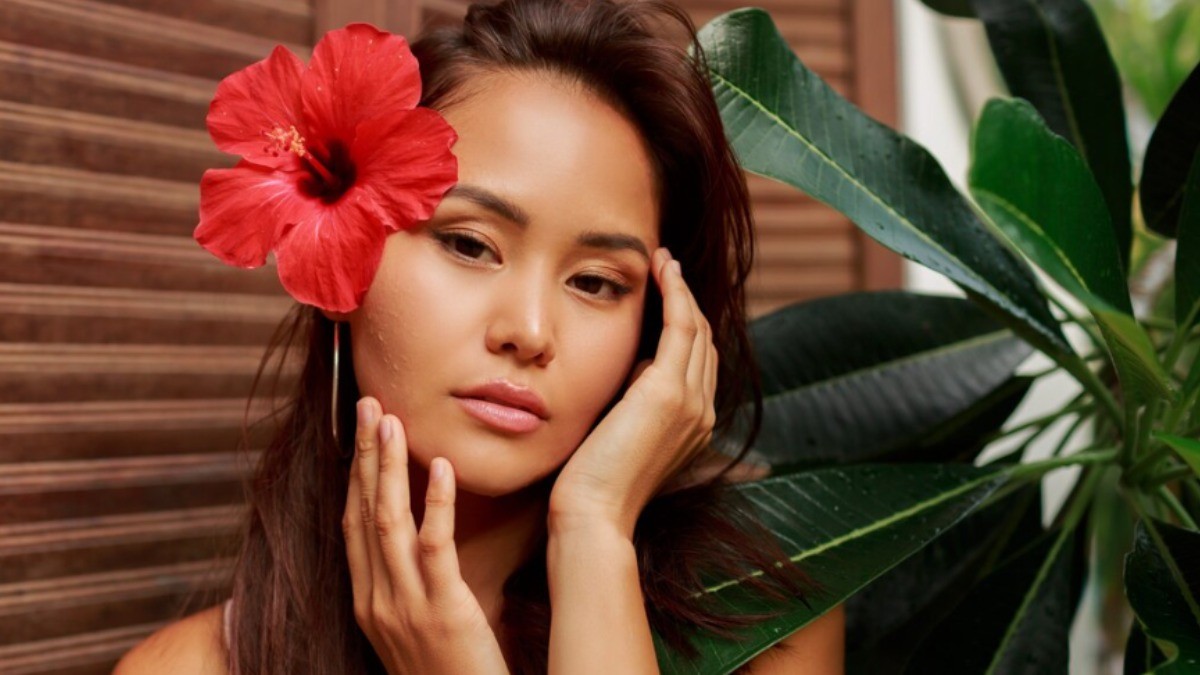
The trend has been going on on social media, especially on Instagram, where beauty artists have been using neutral and brown-toned cheek products to make a barely-there finish.
The increasing popularity of anti-blush also speaks to wider trends in makeup. For several seasons, highly pigmented blushes and visibly flushed cheeks became the most popular beauty looks. Bright pink and berry colors were often employed to give the instantly noticeable visual colour. Anti-blush is the opposite, so cheek colour blends better with the skin.
Several major beauty brands have been contributing to the conversation about muted cheek shades. MAC Cosmetics, Rare Beauty and Rhode have made appearances in recent years about how brown, neutral and subdued tones can be incorporated in makeup routines.
Related Articles
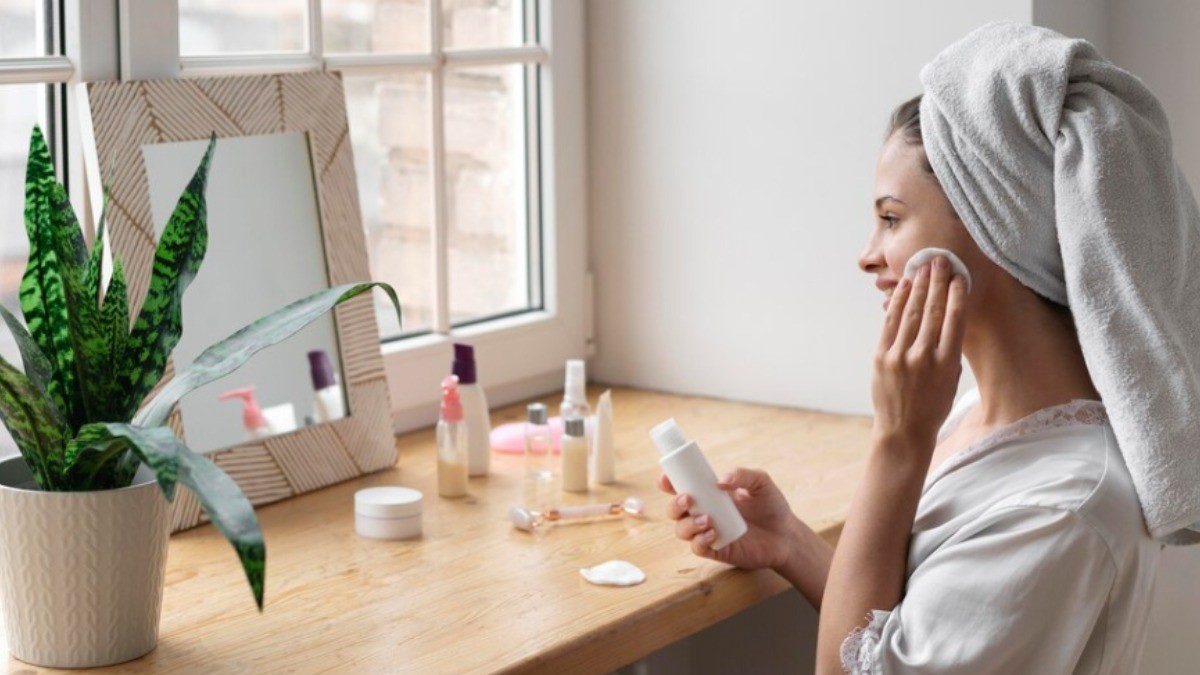
MAC Cosmetics' Skinfinish Colourful blush in Film Noir Buff with a rich warm chocolate-toned shade is one example that works best with the anti-blush aesthetic.
The trend is also getting the eye of celebrity makeup artists. Makeup artist Brandy Allen, who has worked with Yara Shahidi, Keke Palmer, Janelle Monáe, Doja Cat and Sheryl Lee Ralph, has said that anti-blush tones could be especially prominent during fall and winter red carpet season. The appeal is partly in the versatile aspect of muted shades, which can give you blush and subtle contour but in a more balanced makeup look as well.
Interestingly, the idea is not entirely new. Similar approaches have existed in Chinese beauty circles where toned-down and cooler blush colours have been used to create a visual contouring effect.
The idea is also sometimes referred to as “shrinking color”; shades that help to create a more sculpted appearance rather than make the cheeks look brighter or more prominent. The current anti-blush label has therefore given a new social-media identity to a technique that has existed in different forms for years.
If I can bring the look home, it can be rather easy to copy. Instead of using saturated pink, makeup users can go with beige, taupe, muted terracotta or soft brown.
The colour should be applied higher on the cheekbones and blended upward and outward in order to give the colour a more lifted look. The rest of the makeup can remain understated with soft eyeliner, light mascara and a nude or neutral lip to make the cheek colour more palatable.
There are some other ways to experiment with and personalize a shade by mixing complexion and cheek products to make it a more personal one. A little bit of foundation mixed with contour and blush can give a soft, more muted colour. But products should be mixed only when their formulas are compatible and intended for use together.
The anti-blush trend is in fact more subtle than the disappearance of blush; celebrities, makeup artists and beauty creators are adopting more neutral cheek colours and the trend is another alternative to the over-poured makeup and signals the growing popularity of soft, sculpted and understated beauty looks.




Comments 0