
India has a long tradition of using plant-based ingredients and simple household preparations as part of personal care. Long before modern skincare shelves were filled with serums, masks and creams, Indian households commonly used ingredients such as turmeric, gram flour, aloe vera, rose water, coconut oil and yoghurt in beauty routines.
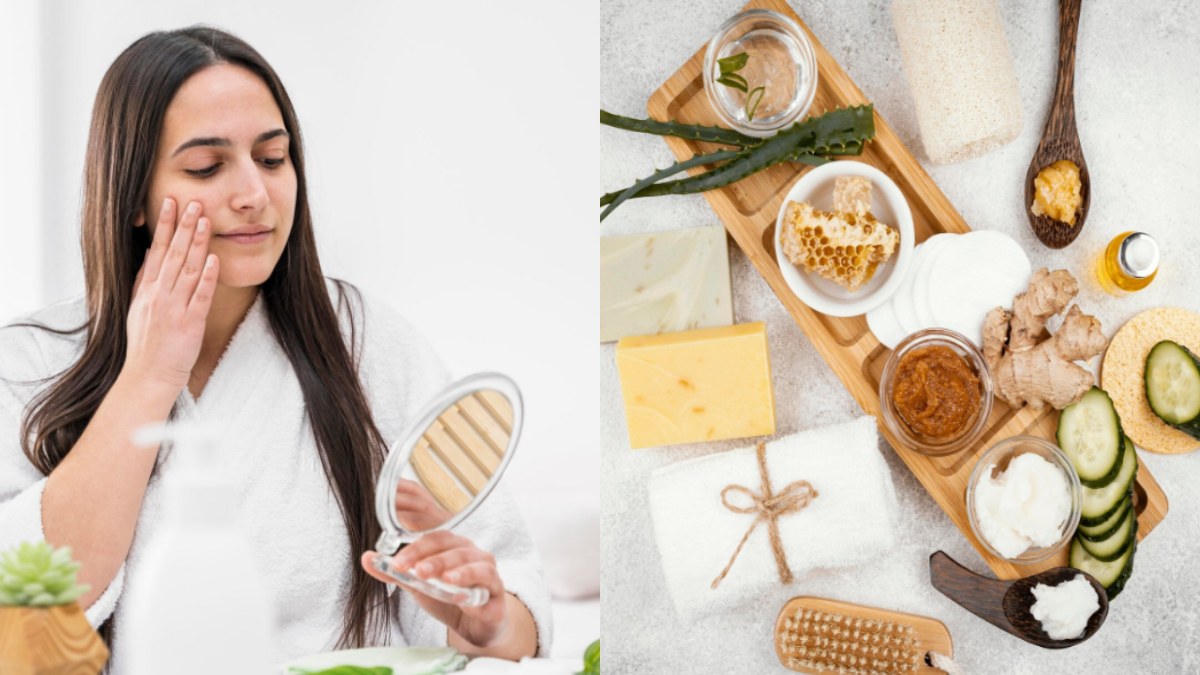
Today, interest in natural skincare is growing again, with many people looking for simple alternatives to complicated routines. While traditional remedies can be useful for supporting skin care, they should not be treated as guaranteed cures for acne, pigmentation, eczema or other skin conditions. Natural ingredients can also cause irritation or allergies, so careful use is important.
Here are some traditional Indian-inspired remedies that can complement a basic skincare routine.
Related Articles


1. Turmeric for a Traditional Glow
Turmeric has been used traditionally in Indian beauty rituals for generations, particularly before weddings and other celebrations. It contains curcumin, a compound that has antioxidant and anti-inflammatory properties.
A simple turmeric-based face mask can be made by combining a small amount of turmeric with ingredients such as plain yoghurt or gram flour. However, turmeric can temporarily stain the skin and clothing, and concentrated preparations may irritate sensitive skin.
Always use a small quantity and perform a patch test before applying a new mixture to the face.
Related Articles


2. Gram Flour or Besan
Besan, or gram flour, is another familiar ingredient in traditional Indian skincare. It has long been used in homemade cleansing and exfoliating preparations.
A simple besan mask can be mixed with plain yoghurt or water to form a soft paste. Apply gently and rinse without aggressively scrubbing the skin.
Over-exfoliation can damage the skin barrier, so homemade scrubs containing coarse particles should not be rubbed harshly across the face.
3. Aloe Vera for Soothing Care
Aloe vera is widely used in skincare because its gel can provide a cooling and soothing sensation. It may be particularly pleasant after spending time in the sun, although it should not replace appropriate treatment for sunburn or significant skin injury.
If using aloe vera, choose a clean, suitable cosmetic or skincare product, or use properly prepared gel from a safe source. Some people can develop contact irritation from aloe products, so patch testing is advisable.
4. Rose Water as a Refreshing Ingredient
Rose water is a popular ingredient in Indian beauty routines and is often used as a refreshing facial mist or incorporated into homemade masks.
A properly formulated cosmetic rose water can be used according to its label. Avoid products containing unnecessary fragrance or ingredients that irritate your skin.
Rose water can feel refreshing, but it should not be expected to dramatically treat acne, wrinkles or pigmentation on its own.
5. Coconut Oil for Dry Skin
Coconut oil has traditionally been used for body and hair care in many Indian households. It can help reduce moisture loss from the skin and may work well for some people with dry skin.
However, facial skin is different from body skin, and coconut oil may contribute to clogged pores or breakouts in some acne-prone individuals. If you have oily or acne-prone skin, a non-comedogenic moisturiser may be a better option.
6. Yoghurt for Gentle Skin Care
Plain yoghurt contains lactic acid, an alpha hydroxy acid, and has been used in traditional homemade beauty preparations. However, the concentration and formulation of homemade yoghurt masks are not controlled in the same way as professionally formulated skincare products.
If you choose to use yoghurt on your skin, keep the application brief, avoid broken or irritated skin and rinse thoroughly. Stop immediately if burning or significant redness develops.
Don't Forget the Basics
Natural remedies work best as additions to, rather than replacements for, proven skincare basics. Cleansing gently, moisturising appropriately and applying broad-spectrum sunscreen are important foundations for maintaining healthy skin.
Sun protection is especially important for people concerned about pigmentation and premature skin ageing. No homemade face pack can replace consistent sunscreen use.
It is also important to remember that different skin types have different needs. A remedy that works comfortably for one person may trigger irritation in another.
Patch Testing Is Essential
"Natural" does not automatically mean "safe for everyone." Essential oils, plant extracts and household ingredients can cause allergic reactions or irritation.
Before applying a homemade preparation to your face, test a small amount on an inconspicuous area of skin and monitor for redness, itching, swelling or burning. Avoid using ingredients that have previously caused a reaction.
People with persistent acne, eczema, rosacea, unexplained rashes or severe pigmentation should consider consulting a dermatologist rather than relying exclusively on home remedies.
Authentic Indian beauty traditions offer many simple ingredients that can be incorporated into a mindful skincare routine. Turmeric, besan, aloe vera, rose water, coconut oil and yoghurt all have a place in traditional personal care, but they should be used realistically and cautiously.
Healthy skin is not about finding one magical ingredient. A consistent routine, sun protection, adequate hydration, balanced nutrition and products suited to your skin type are far more important.
Traditional remedies can be enjoyable rituals that connect modern skincare with India's rich beauty heritage but when it comes to persistent or serious skin concerns, professional dermatological advice remains the safest choice.




Comments 0