
Aromatherapy is a complementary wellness practice that uses aromatic plant extracts, commonly known as essential oils, to create a particular sensory experience. Essential oils are concentrated substances obtained from plants such as lavender, peppermint, eucalyptus, rosemary and tea tree.
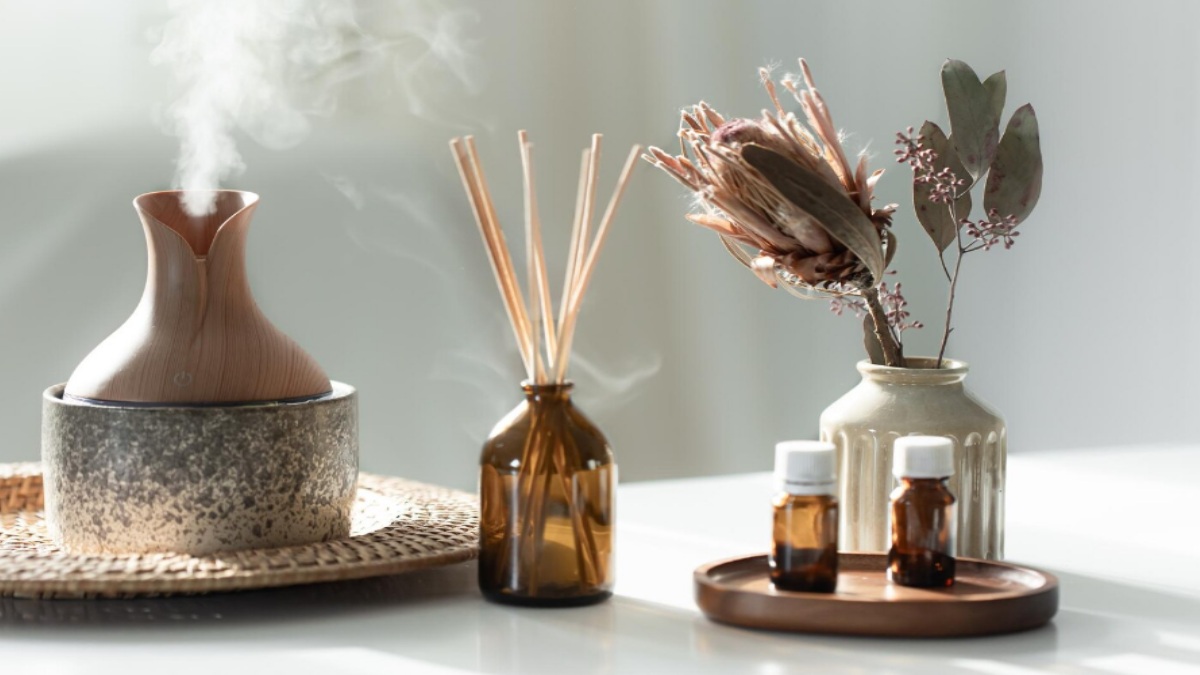
Aromatherapy is often incorporated into relaxation routines, massages, baths and other self-care practices. While it should not be considered a replacement for medical treatment, some people find certain aromas helpful for relaxation and overall well-being.
The effects can vary considerably from person to person, and research into individual essential oils continues to develop.
Related Articles


1. May Promote Relaxation
One of the most common reasons people use aromatherapy is to create a calming environment. Pleasant scents can become associated with relaxation, making them a useful addition to activities such as meditation, gentle stretching or winding down after a busy day.
Lavender is particularly popular in relaxation-focused aromatherapy because of its pleasant floral aroma and because some research has explored its potential effects on stress and relaxation.
Using a familiar scent during a quiet evening routine may help signal to your brain that it is time to slow down.
Related Articles

2. May Help Reduce Feelings of Stress
Everyday responsibilities, work demands and personal challenges can contribute to feelings of stress. Aromatherapy may provide a simple sensory element that helps some people feel more comfortable during stressful moments.
For example, a diffuser with a pleasant essential oil aroma can be used while reading, practising breathing exercises or taking a short break.
However, aromatherapy should be viewed as a complementary relaxation strategy rather than a treatment for chronic stress or anxiety disorders.
3. May Support Better Sleep Habits
Creating a relaxing bedtime environment is an important part of good sleep hygiene. Some people use calming scents, particularly lavender, as part of their nighttime routine.
The aroma itself may become part of a consistent bedtime ritual. Turning off bright screens, keeping the bedroom comfortable and following a regular sleep schedule are still more fundamental to healthy sleep.
If persistent insomnia or severe sleep problems continue, it is important to speak with a healthcare professional rather than relying solely on essential oils.
4. Can Enhance Massage and Self-Care
Essential oils are frequently incorporated into massage practices after appropriate dilution in a carrier oil. The combination of gentle massage and pleasant aromas can make a self-care session feel more relaxing.
Massage itself can help promote relaxation and relieve feelings of physical tension. Essential oils can add an aromatic component to the experience.
Because undiluted essential oils can irritate the skin, they should generally not be applied directly to the body without appropriate dilution.
5. May Create a More Pleasant Environment
Aromatherapy does not have to be complicated. A suitable diffuser can fill a room with a pleasant scent, helping create an environment that feels fresh and inviting.
Some people prefer citrus aromas for daytime use, while floral or woody scents may feel more appropriate during evening relaxation. Personal preference plays a major role, so there is no single “best” essential oil for everyone.
6. Different Oils Offer Different Experiences
Essential oils have distinct aromas and traditional uses. Lavender is commonly associated with relaxation, while peppermint has a cooling, refreshing scent. Citrus oils such as sweet orange are often used to create an uplifting atmosphere.
Eucalyptus is another popular aroma, especially in products designed to create a fresh, invigorating environment.
However, claims that essential oils can cure infections, serious diseases or other medical conditions should be treated cautiously. Aromatherapy should complement appropriate healthcare rather than replace it.
Important Aromatherapy Safety Tips
Because essential oils are highly concentrated, using them safely is important.
Always follow product instructions and use appropriate dilution when applying an oil to the skin. Avoid getting essential oils in the eyes or swallowing them unless a qualified healthcare professional specifically recommends a safe product and method.
Some oils can cause skin irritation or allergic reactions. A person with sensitive skin should be particularly cautious.
Extra care is also needed around young children and pets because some essential oils may be unsafe for them. Pregnant or breastfeeding individuals, people with asthma, allergies or other medical conditions should consult a healthcare professional before using certain essential oils.
Some citrus oils can also increase skin sensitivity to sunlight when applied topically.
Making Aromatherapy Part of Your Routine
Aromatherapy can be incorporated into everyday self-care through a diffuser, appropriately diluted topical products or other purpose-designed products. Start with a scent you enjoy and use it in a calm setting.
The biggest benefit may come from the overall ritual: taking time to pause, breathe, relax and focus on yourself.
Ultimately, aromatherapy can be a pleasant complementary wellness practice for many people. Its potential benefits are best understood as support for relaxation and well-being rather than as a cure or substitute for professional medical care.




Comments 0