Melanin is a natural pigment that gives color to the skin, hair, and eyes. Produced by specialized cells called melanocytes, melanin plays a much greater role than determining skin tone. It is one of the body's most important natural defense mechanisms, helping protect the skin from environmental damage, especially harmful ultraviolet (UV) radiation from the sun.
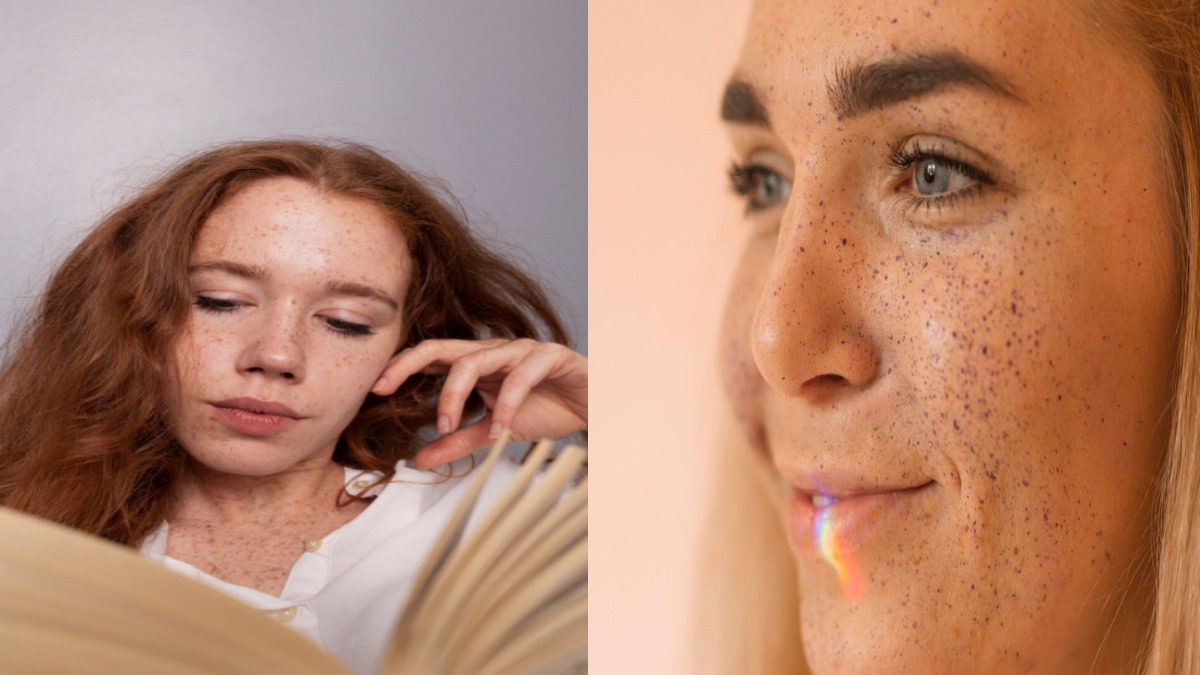
People produce different amounts and types of melanin, which is why skin tones vary across individuals and populations. While everyone benefits from melanin, its protective effects and overall importance are often overlooked. Understanding the role of melanin can help you make informed decisions about skincare and sun protection.
1. Protects Against Harmful UV Rays
One of melanin's primary functions is to absorb and disperse ultraviolet (UV) radiation from the sun. By doing so, it helps reduce the amount of UV radiation that penetrates deeper layers of the skin, where it can damage cells and DNA.
Related Articles

Although melanin provides some natural protection, it does not completely block UV radiation. People of all skin tones can still experience sunburn and skin damage, so using sunscreen, seeking shade, and wearing protective clothing remain essential.
2. Helps Reduce DNA Damage
Excessive UV exposure can damage the DNA inside skin cells, increasing the risk of premature aging and skin cancer. Melanin helps minimize this damage by absorbing part of the incoming UV energy before it reaches the cells.
While individuals with higher levels of melanin may have a lower risk of certain UV-related skin damage, no one is immune to skin cancer. Regular skin checks and sun safety are important for everyone.
Related Articles

3. Acts as a Natural Antioxidant
Melanin has antioxidant properties that help neutralize some harmful free radicals generated by UV exposure and environmental pollution. Free radicals contribute to oxidative stress, which can damage skin cells over time.
By helping reduce oxidative stress, melanin supports healthier skin and may contribute to maintaining its overall integrity.
4. Supports Healthy Skin Aging
Repeated sun exposure is one of the leading causes of premature skin aging, including wrinkles, fine lines, and uneven pigmentation. Melanin's ability to absorb UV radiation helps reduce some of the cumulative effects of sun damage.
However, proper skincare, hydration, and sun protection are still necessary to promote healthy aging regardless of skin tone.
5. Contributes to Skin Tone and Pigmentation
Melanin is responsible for the wide range of natural skin colors found around the world. Two main forms of melanin contribute to pigmentation:
- Eumelanin: Produces brown and black shades and provides greater UV protection
- Pheomelanin: Produces red and yellow tones and offers less UV protection than eumelanin
The balance of these pigments is largely determined by genetics.
6. May Help Reduce Certain Forms of Sun Damage
People with higher melanin levels often experience a lower incidence of UV-induced sunburn compared to those with lower melanin levels. Nevertheless, prolonged sun exposure can still cause damage, making sun protection important for every skin type.
7. Plays a Role in the Skin's Natural Defense
Melanin is part of the skin's broader defense system against environmental stressors. It works alongside the skin barrier to help maintain healthy skin by limiting some external damage caused by sunlight.
How to Support Healthy Melanin and Skin
While genetics determine how much melanin your body naturally produces, you can support overall skin health by:
- Wearing a broad-spectrum sunscreen with SPF 30 or higher every day
- Eating a balanced diet rich in fruits, vegetables, and antioxidant-containing foods
- Staying hydrated to support skin function
- Avoiding unnecessary tanning and excessive sun exposure
- Following a skincare routine suited to your skin type
- Consulting a dermatologist if you notice unusual changes in moles or skin pigmentation
Can Too Much or Too Little Melanin Cause Problems
Changes in melanin production can lead to various skin conditions. Too little melanin may contribute to conditions such as vitiligo or increased sun sensitivity, while excess melanin production can result in hyperpigmentation, melasma, or post-inflammatory dark spots. A dermatologist can recommend appropriate treatments based on the underlying cause.
Melanin is far more than the pigment that determines skin color. It plays a vital role in protecting the skin from UV radiation, reducing DNA damage, supporting the skin's natural defenses, and contributing to overall skin health. However, natural melanin should never be considered a replacement for sunscreen or other sun protection measures.
By combining healthy lifestyle habits, proper skincare, and regular sun protection, people of all skin tones can help maintain healthier, more resilient skin for years to come.




Sign in to ItzLyfe

Your Next Story Starts Here
Get the latest lifestyle stories, horoscope, fashion, travel, cookery, and health updates—all in one place.
By signing in, you agree to our Privacy Policy.
Comments 0