
Healthy, radiant skin is a manifestation of overall health. The way skincare products cleansers, moisturizers, sunscreens help the skin to be healthy is all about the skin and how deep and strong they are in the skin to nourish the skin from the inside out. Eating a balanced diet with good quality nutrients that is good for the skin’s natural barrier is great for hydration and is good for collagen production to prevent us from getting damaged by the environment.
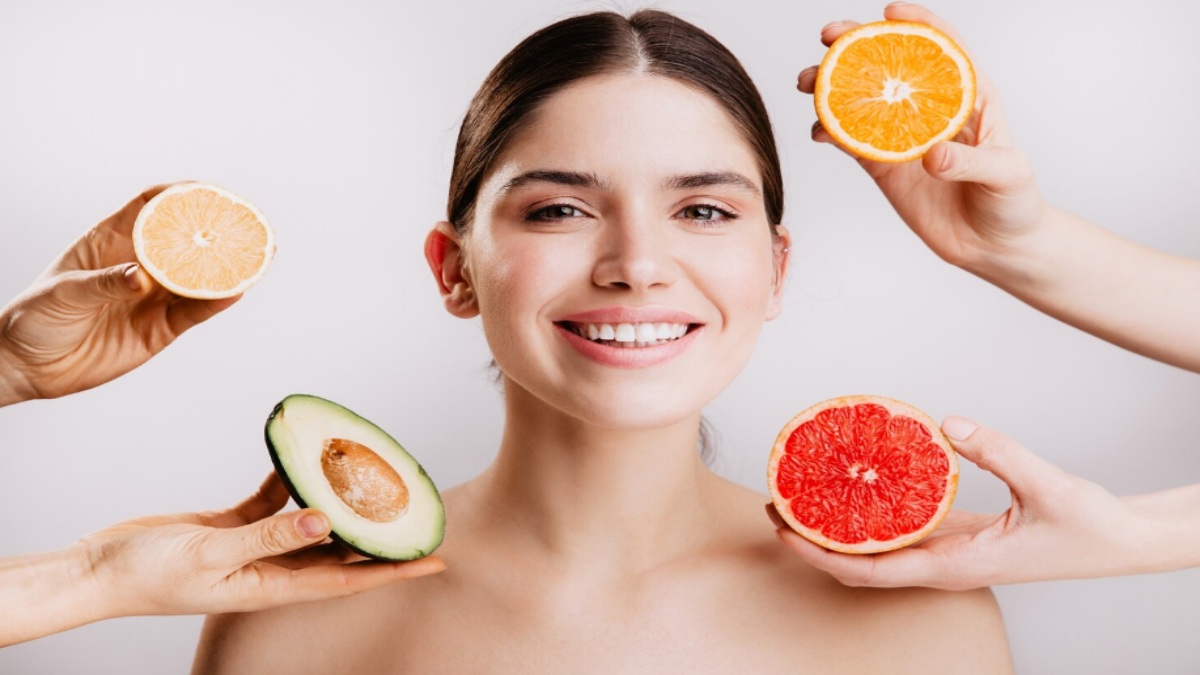
The link between skin health and nutrition has been supported by growing scientific research. By making smart dietary choices, you can make your skin look healthier and function more effectively over time.
Why nutrition is so important to skin health
The skin is the largest organ of the body and the first line of defense against pollution, UV radiation, bacteria and other environmental stressors. It is constantly re-energizing itself and needs constant nutrients to repair cells, produce collagen, and maintain elasticity so that it will retain its health and quality.
Related Articles


Poor nutrition might cause dull skin, delayed wound healing, dryness, or other skin problems. A diet alone does not cure or prevent all of those skin conditions, so good eating habits that are nutrient-rich help the skin remain strong and complement a good skincare program.
Essential Nutrients for Healthy Skin
1. Vitamin C
Vitamin C is critical for collagen formation, thus keeping the skin strong and resilient. Vitamin C is also an antioxidant that protects skin cells from damage from free radicals.
Food Sources:
- Oranges
- Lemons
- Kiwi
- Strawberries
- Bell peppers
- Broccoli
2. Vitamin E
Vitamin E protects skin cells from oxidative stress as well as helps to protect the skin’s natural moisture barrier.
Related Articles


Food Sources:
- Almonds
- Sunflower seeds
- Spinach
- Avocados
- Hazelnuts
3. Vitamin A
Vitamin A supports normal skin cell turnover and maintenance. It also aids vision and immune function.
Food Sources:
- Sweet potatoes
- Carrots
- Pumpkin
- Spinach
- Kale
4. Omega-3 Fatty Acids
Omega-3 fats are helpful to keep barrier function of skin and to help in overall skin health.
Food Sources:
- Salmon
- Sardines
- Mackerel
- Chia seeds
- Flaxseeds
- Walnuts
5. Zinc
Zinc is useful for wound healing and immune health and healthy skin growth.
Food Sources:
- Pumpkin seeds
- Lentils
- Chickpeas
- Eggs
- Lean meat
Protein: The Building Block of Healthy Skin
Protein provides amino acids that the body uses to build collagen and elastin two structural proteins that contribute to skin strength and elasticity.
Add high quality protein sources like:
- Eggs
- Fish
- Chicken
- Beans
- Lentils
- Greek yogurt
- Tofu
- Cottage cheese
At the time of growth or recovery or aging, protein is required in order to meet your daily needs.
Antioxidants Help Protect Skin
Antioxidants can neutralize free radicals that are in the sun and pollution and normal metabolic processes. A healthy diet rich in fruits and vegetables offers a lot of antioxidants.
Excellent choices include:
- Blueberries
- Tomatoes
- Grapes
- Pomegranates
- Leafy greens
- Green tea
These foods help in overall health and could contribute to healthier-looking skin.
Hydration Is Essential
Water is essential for every cell in the body especially skin cells. Hydration of the skin is a prerequisite for normal skin function and overall health.
Practical hydration tips include:
- Drink water every day
- Take more fluid in hot weather or exercise
- Include water-rich foods (cucumber, watermelon, oranges, celery) in your diet
While hydration is good for skin health, excessive drinking of water above and beyond your body’s needs is not going to cure the wrinkles or dramatically change your skin.
Foods That Support Healthy Skin
A balanced eating pattern can include:
- Fresh fruits
- Colorful vegetables
- Whole grains
- Healthy fats
- Lean proteins
- Nuts and seeds
- Legumes
- Fermented foods such as yogurt or kefir for gut health
A varied diet will help to supply the vitamins and minerals your skin requires.
Lifestyle Habits to Support Good Nutrition
Healthy skin is not on the basis of diet only. Consider these habits:
- Wear broad-spectrum sunscreen daily
- Do not smoke
- Limit overconsumption of alcohol
- Get 7–9 hours of good sleep
- Stress is relieved with exercise, meditation, or hobbies
- Follow a skincare routine suited to your skin type
These practices work with good nutrition to support skin health.
Foods to Enjoy in Moderation
Some people might see that certain foods have different skin effects. There is a lot of evidence but it’s good to moderate:
- Sugary beverages
- Highly processed snacks
- Foods high in trans fats
- Excessive alcohol
Rather than eliminating entire food groups, focus on an overall balanced and sustainable eating pattern.
How Can Supplements Improve Skin
If your diet is lacking some nutrients or you have a diagnosed deficiency, your healthcare provider will recommend supplements. But supplements shouldn’t replace a healthy diet and high doses without medical advice may not add to the skin benefits.
Healthy, glowing skin starts with habits that we do every day and nutrition is the foundation for it. Eating healthy food with fruits, vegetables, lean proteins, healthy fats, whole grains, and antioxidant-rich foods is what your skin needs to function.
Good nutrition, combined with adequate hydration, sun protection, regular exercise, sufficient sleep, and a personalized skincare routine, is the key to strong, healthy skin over the long term. Remember that every individual's skin is unique, so maintaining a balanced lifestyle and consulting a healthcare professional or dermatologist for persistent skin concerns is the best approach to achieving lasting skin health.




Comments 0