
A good night’s sleep does much more than help you wake up feeling refreshed. Sleep is an important part of the body’s natural recovery process, and getting enough quality rest can also influence the appearance and health of your skin, hair and nails. While skincare products and beauty treatments have their place, healthy sleep habits can provide an important foundation for your overall beauty and wellbeing.
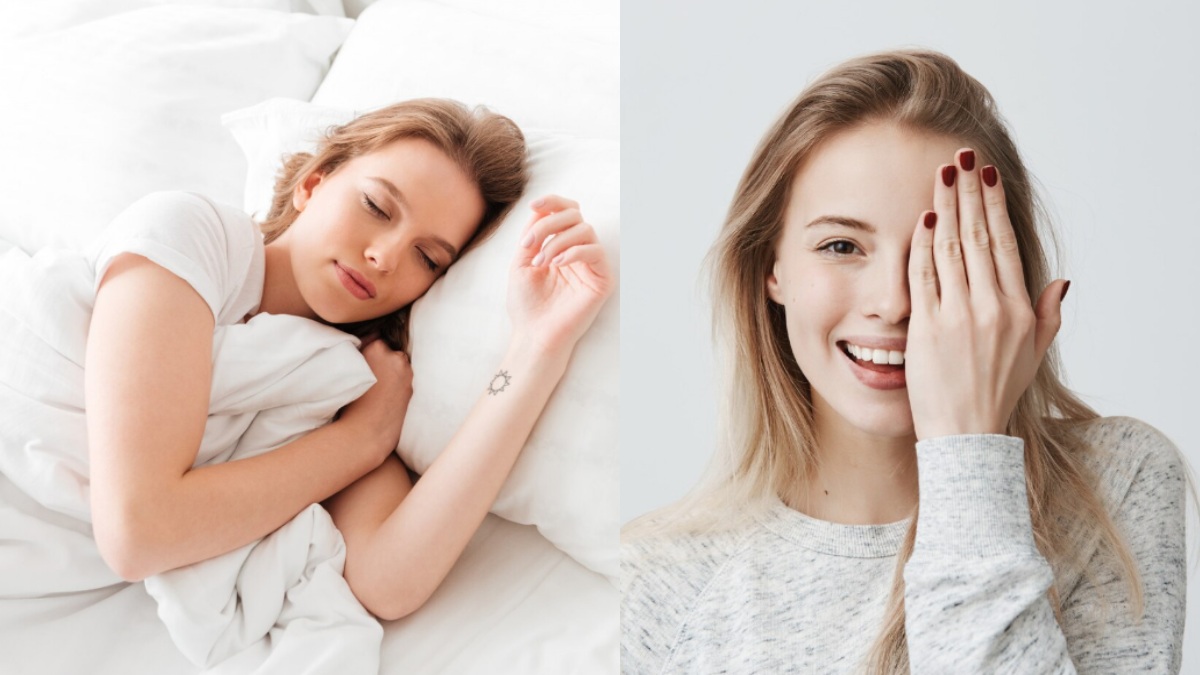
During sleep, the body carries out numerous repair and maintenance processes. Blood flow, hormone regulation, immune activity and tissue recovery all continue while you rest. When sleep is consistently inadequate, these processes can be affected, potentially showing up as dull-looking skin, tired eyes, increased sensitivity and a generally fatigued appearance.
1. Sleep Supports Skin Repair
Your skin is constantly exposed to environmental stressors such as sunlight, pollution and changes in temperature. Overnight, the body shifts more attention toward repair and recovery, helping tissues recover from everyday wear and tear.
Related Articles


Adequate sleep supports the skin's natural renewal processes. While sleeping, the body works to repair cellular damage and maintain the skin barrier. This is one reason why consistently getting enough sleep can contribute to a healthier-looking complexion.
Poor sleep, on the other hand, may leave your complexion looking tired or dull. Chronic sleep deprivation has also been associated with changes in the skin barrier and increased signs of ageing.
2. It May Help Maintain Skin Hydration
A healthy skin barrier plays an important role in keeping moisture inside the skin. Quality sleep supports the body's normal regulatory processes, which can indirectly contribute to maintaining skin hydration.
Related Articles
When you are sleep-deprived, your skin may appear dry or less radiant. Combining sufficient sleep with regular water intake and a suitable moisturiser can help support overall skin health.
3. Sleep Can Affect Your Skin’s Appearance
Have you ever noticed that your face looks different after a restless night? Tired-looking eyes, puffiness and a lack of radiance can become more noticeable when you have not slept well.
Consistent, restful sleep gives your body time to recover. Over time, healthy sleep habits may contribute to a more refreshed appearance and help you look more energetic.
4. Healthy Sleep Supports Hair Health
Hair growth depends on complex biological processes, including adequate nutrition, circulation and hormonal regulation. Sleep itself is not a guaranteed treatment for hair loss, but consistently poor sleep can place stress on the body and may affect normal physiological processes.
Getting enough sleep supports overall health, which provides a better environment for healthy hair growth. If you are experiencing sudden or significant hair loss, however, it is important to look for underlying causes rather than assuming lack of sleep is the only explanation.
5. Sleep Helps Your Body Recover From Daily Stress
Stress can affect the skin and hair in several ways. Periods of high stress may contribute to breakouts, changes in skin sensitivity and certain types of hair shedding.
Adequate sleep is an important part of stress management. By allowing the body and mind to recover, good sleep habits can support a healthier response to everyday stress.
6. Your Nails Can Benefit From Overall Recovery
Nails grow slowly, and their health is influenced by factors including nutrition, circulation, hormones and general health. Although sleeping longer will not instantly make nails stronger, sufficient rest supports the body's normal maintenance and recovery functions.
If your nails are persistently brittle, splitting or changing colour, consider factors such as diet, frequent exposure to water or chemicals, and possible underlying health concerns. A healthcare professional can help determine the cause when changes persist.
7. Sleep Supports a Healthy Lifestyle
Beauty is closely connected with overall health. People who sleep well may find it easier to maintain healthy routines, including regular physical activity, balanced eating and consistent skincare.
Instead of treating sleep as an optional luxury, consider it part of your daily wellness routine. Alongside sun protection, nutritious food, exercise and appropriate skincare, good sleep can contribute to a healthier appearance.
How Much Sleep Should You Get
Most adults generally need around 7–9 hours of sleep per night, although individual needs can vary. Quality matters as well as quantity. Frequently waking during the night or having an inconsistent sleep schedule can leave you feeling tired even if you spend enough time in bed.
To improve your sleep routine, try going to bed and waking up at similar times each day. Keep your bedroom comfortable and limit stimulating activities close to bedtime. Reducing caffeine late in the day and putting away electronic devices before bed may also help some people sleep more easily.
“Beauty sleep” is more than just a catchy phrase. Quality sleep gives your body valuable time for recovery and supports processes that are important for healthy skin, hair and nails. While sleep cannot replace a balanced diet, proper skincare or medical treatment when needed, it is an essential part of a healthy beauty routine.
So, before reaching for another beauty product, remember one of the simplest wellness habits available: give your body enough time to rest, repair and recover every night.




Comments 0