
Acne is one of the most common skin concerns and can affect people of almost any age. Pimples, blackheads, whiteheads and occasional breakouts can appear when hair follicles become clogged with oil and dead skin cells. Hormonal changes, stress, certain cosmetics, genetics and lifestyle factors may also contribute to acne.
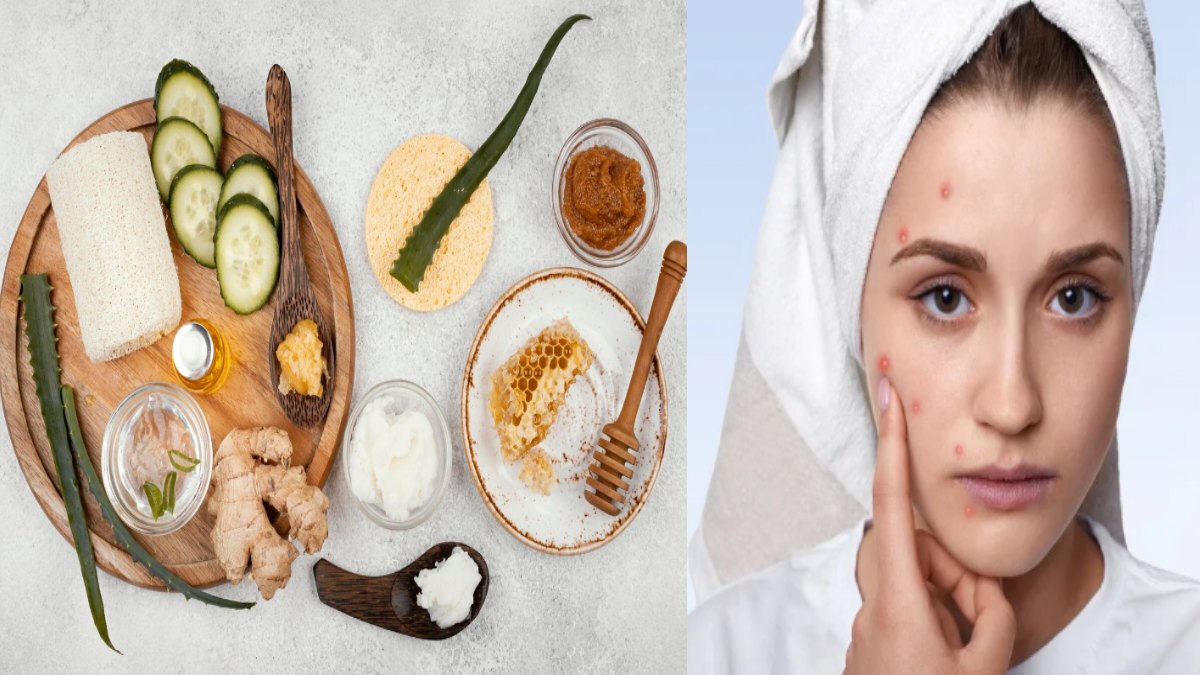
While persistent or severe acne may require treatment from a dermatologist, some simple home-care measures can help soothe the skin and reduce irritation. The key is to choose gentle remedies rather than harsh ingredients that may damage the skin barrier.
1. Keep Your Face Clean, but Be Gentle
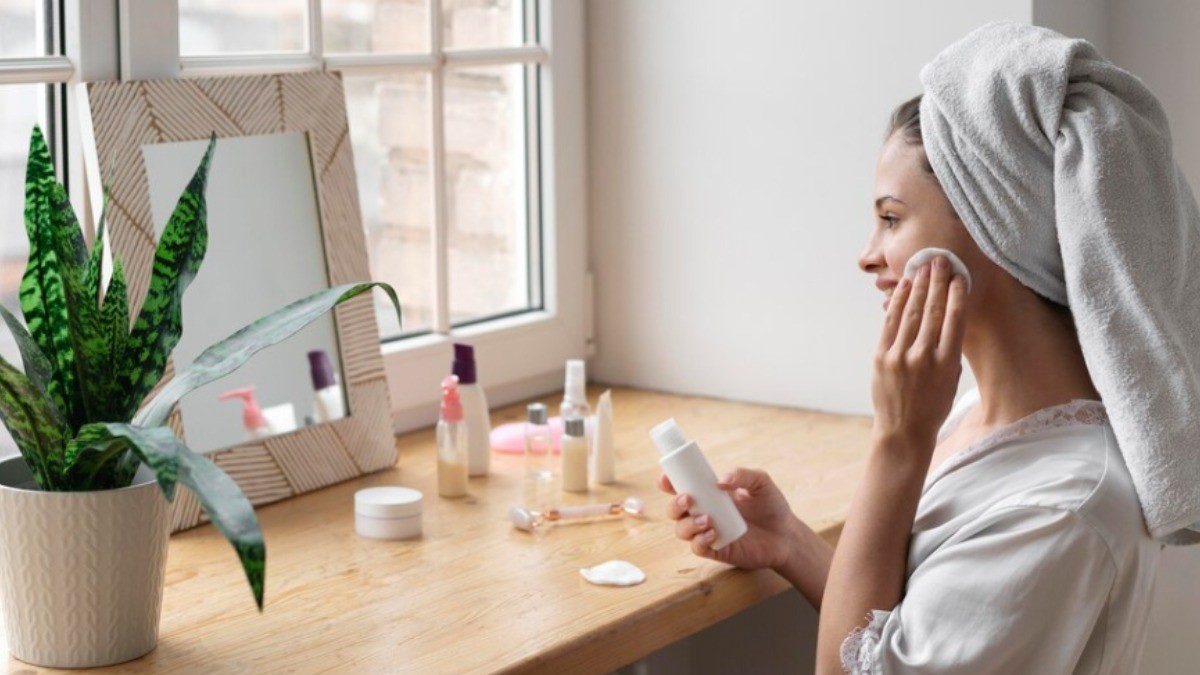
Washing your face regularly can help remove excess oil, sweat and impurities. Use a mild, non-comedogenic cleanser and lukewarm water. Avoid scrubbing aggressively, as excessive friction can irritate inflamed pimples and potentially make breakouts worse.
Related Articles


Cleanse your face after sweating and avoid repeatedly touching your skin with unwashed hands.
2. Try a Cold Compress
A cold compress can temporarily reduce redness, swelling and discomfort associated with inflamed pimples. Wrap an ice cube or cold pack in a clean cloth rather than applying ice directly to the skin.
Apply it gently for a few minutes at a time, allowing the skin to warm up between applications.
Related Articles
3. Use Pure Aloe Vera Gel
Aloe vera is known for its soothing and moisturising properties. A small amount of pure, fragrance-free aloe vera gel may help calm irritated skin.
Before applying it to the entire face, perform a patch test on a small area. Avoid products containing added fragrance or other ingredients that may irritate acne-prone skin.
4. Don't Pick or Pop Pimples
One of the simplest but most important home-care tips is to leave pimples alone. Picking, squeezing or popping acne can introduce bacteria, increase inflammation and raise the risk of temporary dark marks and scarring.
Instead, keep the area clean and allow the blemish to heal naturally.
5. Choose Non-Comedogenic Products
Heavy creams, oily cosmetics and certain hair products can contribute to clogged pores in some people. Look for products labelled non-comedogenic, particularly when choosing moisturisers, sunscreen and makeup.
Even acne-prone skin needs moisturisation. A lightweight, non-comedogenic moisturiser can help support the skin barrier.
6. Change Pillowcases and Towels Regularly
Pillowcases and face towels can collect oil, sweat, skincare products and other residue. Changing them regularly and using clean towels may help maintain better hygiene for acne-prone skin.
However, cleanliness alone does not cause or cure acne, so this should be considered part of an overall skincare routine rather than a standalone treatment.
7. Be Careful With DIY Acne Remedies
Not every ingredient found in the kitchen is suitable for your face. Lemon juice, baking soda, toothpaste and undiluted essential oils are popular online acne remedies, but they can cause irritation, dryness or chemical burns.
Similarly, harsh scrubs can damage the skin barrier. When treating acne at home, gentle and evidence-based skincare is generally safer than experimenting with strong household ingredients.
8. Pay Attention to Your Lifestyle
A balanced lifestyle can support overall skin health. Eat a varied diet containing vegetables, fruits, whole grains, protein and healthy fats. Staying hydrated and getting adequate sleep are also important for general wellbeing.
Some people notice that particular foods seem to coincide with their breakouts. Keeping a simple food and skincare diary may help identify personal patterns without unnecessarily eliminating large groups of foods.
When Should You See a Dermatologist
Home remedies may be helpful for mild, occasional breakouts, but they are not a substitute for medical treatment when acne is persistent or severe. Consult a dermatologist if you have painful or deep pimples, widespread acne, frequent breakouts, acne scars or dark marks that are worsening.
A dermatologist can identify the type and severity of acne and recommend appropriate treatments, which may include proven topical or oral medicines.
Managing acne often requires consistency rather than a quick fix. Gentle cleansing, avoiding picking, protecting the skin barrier, choosing non-comedogenic products and using soothing measures such as aloe vera or a cold compress can support healthier-looking skin.
Most importantly, avoid harsh DIY treatments promoted online. If acne continues despite a consistent skincare routine or is affecting your confidence, seeking professional advice can help you find a treatment plan suited to your skin.




Comments 0